
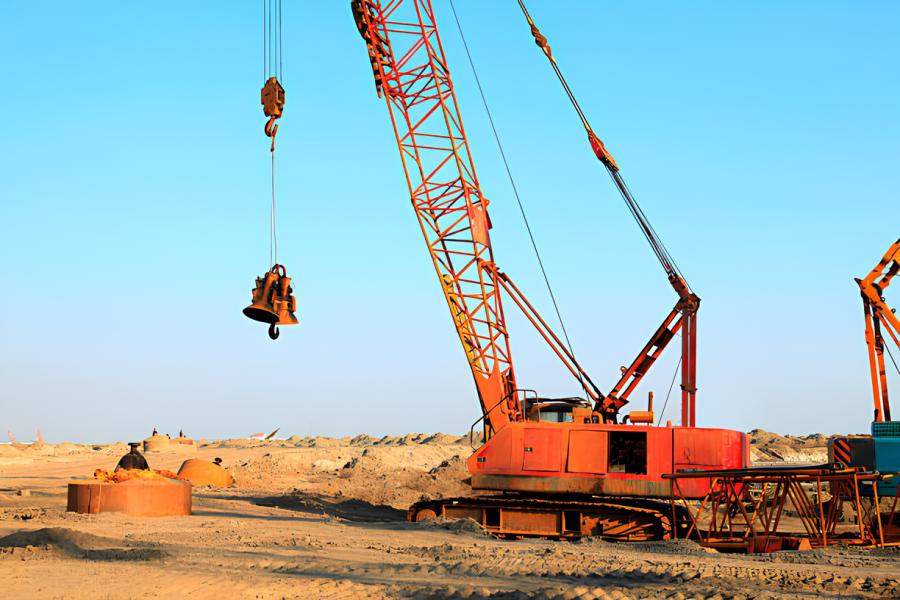
Crawler cranes are among the most important lifting machines used in modern construction and industrial projects. With their tracked undercarriage and powerful lifting systems, crawler cranes can operate on soft ground, uneven terrain, and large job sites where stability and lifting capacity are critical.
To perform different lifting tasks safely and efficiently, crawler cranes use a variety of lifting methods and rigging techniques. Each method is designed for specific types of loads, lifting angles, and job site conditions. Understanding these lifting methods helps contractors select the most appropriate technique, improve operational efficiency, and reduce safety risks during heavy lifting operations.
This article explores several common crawler crane lifting methods, their working principles, and their advantages and limitations.
Basic Structure and Working Principle of a Crawler Crane
A crawler crane typically consists of several main components:
- Crawler undercarriage – provides stability and mobility on uneven terrain
- Rotating platform (upper structure) – supports the crane superstructure and allows 360-degree rotation
- Boom system – the main structure used to lift and move loads
- Hoisting mechanism – includes wire ropes, winches, and pulleys for lifting operations
During operation, power generated by the engine or hydraulic motor drives the crawler tracks, enabling the crane to move and position itself on the job site. The power transmission system then transfers energy to the hoisting mechanism, which raises or lowers loads using wire ropes and pulley blocks.
The crane boom can rotate, lift, and adjust its working radius, allowing operators to handle a wide range of lifting tasks.
Common Crawler Crane Lifting Methods
Different lifting methods are used depending on the shape, weight, and positioning requirements of the load.
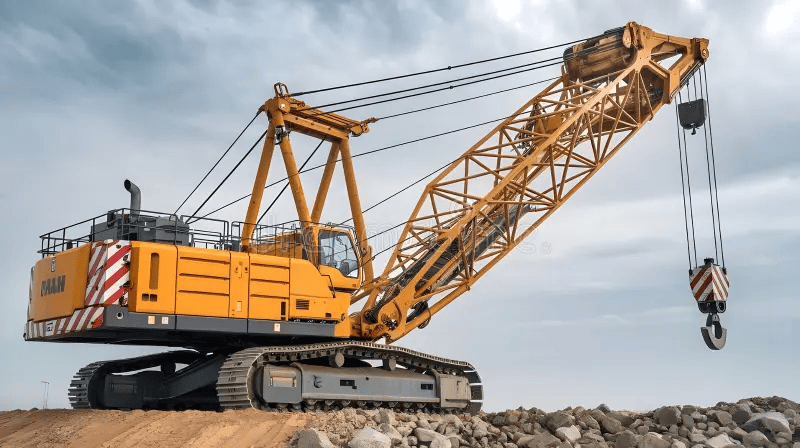
1. Hook Lifting
Hook lifting is the most common and widely used lifting method in crawler crane operations. In this method, the load is directly attached to the crane hook using slings, chains, or wire ropes.
Advantages
- Simple and efficient operation
- Quick setup and short preparation time
- Suitable for most standard lifting tasks
Limitations
- Limited flexibility in adjusting the load position
- May require additional rigging to secure irregular loads
- Improper rigging may cause load instability
Hook lifting is widely used in construction material lifting, equipment installation, and general construction operations.
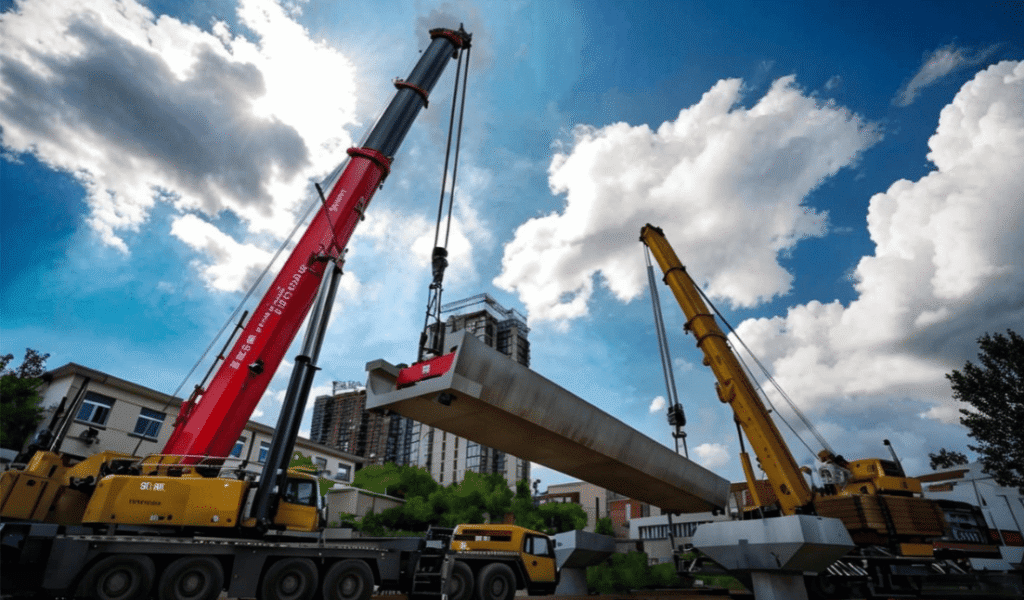
2. Tension Line Lifting
Tension line lifting uses adjustable steel wire ropes or chains to secure the load and control its balance during lifting.
This method is often used for smaller or lighter loads that require more precise positioning.
Advantages
- Adjustable rigging configuration
- Better control of load balance
- Suitable for irregular-shaped loads
Limitations
- Requires careful rigging setup
- Stability must be monitored closely during lifting
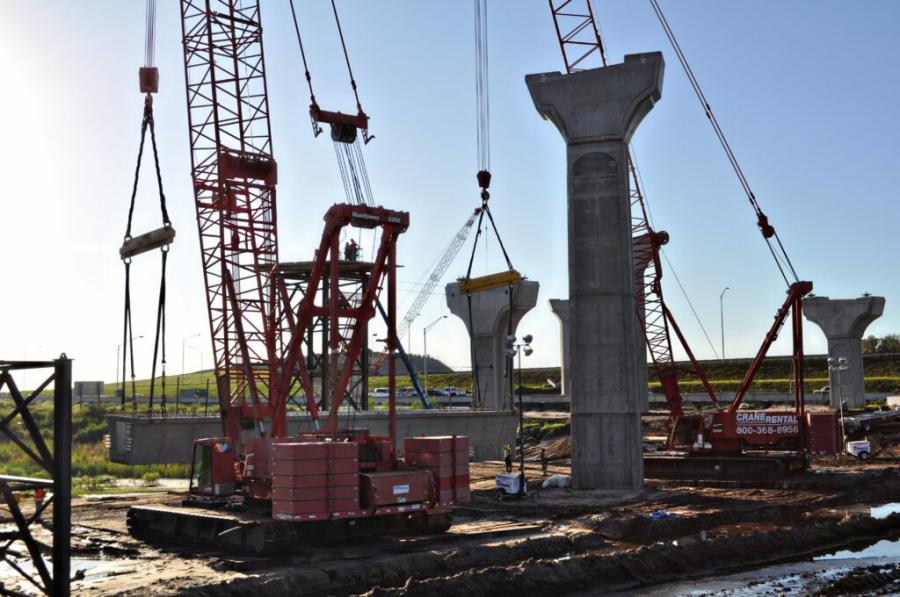
3. Clamp Lifting
Clamp lifting uses specialized mechanical clamps or gripping devices to hold the load securely. This technique is commonly used when lifting flat or wide materials such as steel plates, glass panels, or prefabricated structural components.
Advantages
- Secure grip on flat materials
- Adjustable clamping mechanisms
- Improved handling efficiency for large panels
Limitations
- Additional lifting accessories required
- Setup process may be more complex
Clamp lifting is commonly used in steel fabrication, construction assembly, and material handling operations.
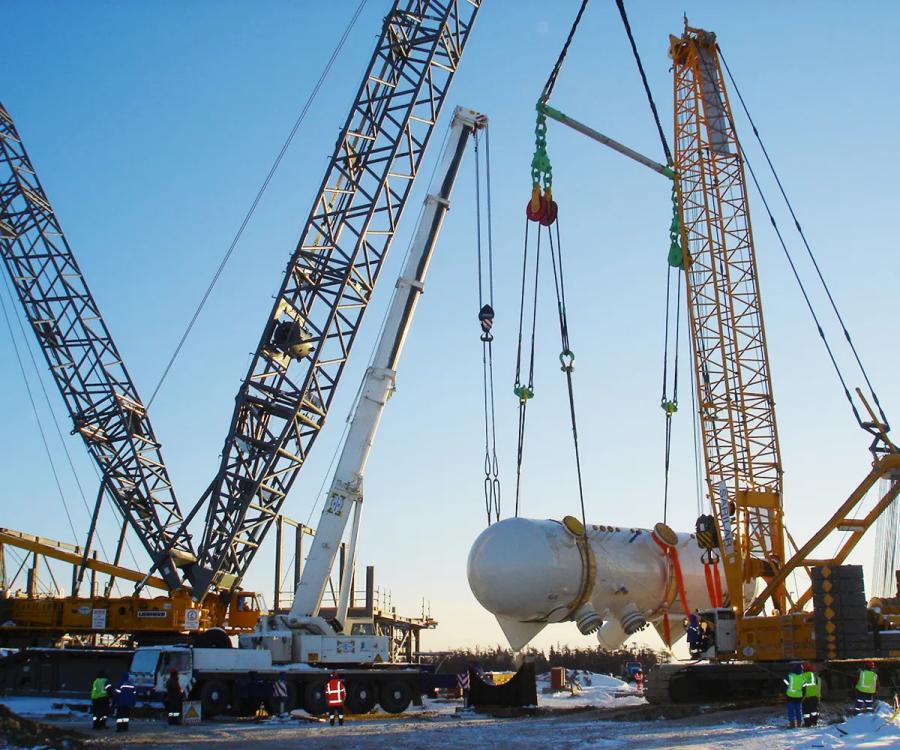
4. Multi-Point (Balanced) Lifting
Multi-point lifting, sometimes referred to as balanced lifting, uses multiple rigging points to support long or flexible loads. The load is connected to several slings or lifting points to maintain balance during the lifting process.
This method is suitable for:
- Pipes
- Structural beams
- Long equipment components
- Cable drums
Advantages
- Maintains load balance
- Reduces stress on a single lifting point
- Suitable for long or flexible materials
Limitations
- More complex rigging design
- Requires careful calculation of lifting angles and load distribution
5. Inclined Boom Lifting
Inclined boom lifting is used when loads need to be moved diagonally or horizontally across the job site. The crane boom is positioned at an angle to guide the load toward a specific location.
This lifting method is commonly used for moving materials such as:
- steel pipes
- construction formwork
- lightweight structural components
Advantages
- Flexible movement path
- Efficient for horizontal transport within short distances
Limitations
- Requires careful boom length and load capacity calculations
- Excessive load or improper boom angle may affect crane stability
Choosing the Right Lifting Method
Selecting the appropriate crawler crane lifting method depends on several factors:
- Weight of the load
- Shape and size of the object
- Required lifting height and radius
- Job site conditions
- Safety requirements and rigging equipment
Proper planning and professional rigging practices are essential to ensure safe and efficient lifting operations.
Conclusion
Crawler cranes are powerful lifting machines capable of handling a wide variety of construction and industrial lifting tasks. By understanding the different lifting methods—such as hook lifting, clamp lifting, multi-point lifting, and inclined boom lifting—operators and contractors can choose the most suitable technique for each job.
Selecting the correct lifting method not only improves construction efficiency but also enhances job site safety and equipment longevity, making crawler cranes indispensable in modern heavy lifting operations.
FAQ
Crawler cranes use various lifting methods including hook lifting, tension line lifting, clamp lifting, multi-point (balanced) lifting, and inclined boom lifting. Each method is designed for specific load types, shapes, and positioning requirements to ensure safe and efficient heavy lifting operations.
Hook lifting is the most common method, suitable for standard loads attached directly to the crane hook using slings or wire ropes. It offers quick setup and simple operation but may require additional rigging for irregular-shaped loads to ensure stability.
Multi-point lifting uses multiple rigging points to lift long, flexible, or uneven loads. This method maintains balance, reduces stress on a single lifting point, and is ideal for pipes, structural beams, cable drums, and long equipment components.
Clamp lifting uses mechanical clamps or gripping devices to securely handle flat or wide materials, such as steel plates and glass panels. It improves handling efficiency and safety for large panels but requires specialized accessories and careful setup.
The choice depends on load weight, shape, lifting height, radius, and job site conditions. Proper planning, professional rigging, and consideration of crane stability and safety are essential to ensure efficient and secure lifting operations.