
For construction contractors and engineering companies, one common question is whether it is better to buy a used crawler crane or rent one when handling lifting projects.
Both options have advantages depending on project duration, budget, equipment utilization, and operational strategy. Choosing the wrong option may increase project costs and reduce efficiency.
This guide compares used crawler crane ownership and crane rental from a contractor’s perspective to help construction companies make the right decision.
Why Contractors Choose Used Crawler Cranes
Buying a used crawler crane has become increasingly popular among contractors because it offers lower investment costs compared with new equipment while still providing strong lifting performance.
Crawler cranes are widely used in:
- Bridge construction
- Wind power projects
- Industrial plant installation
- Infrastructure projects
- Heavy lifting operations
Their excellent stability and high lifting capacity make them suitable for demanding job site conditions.
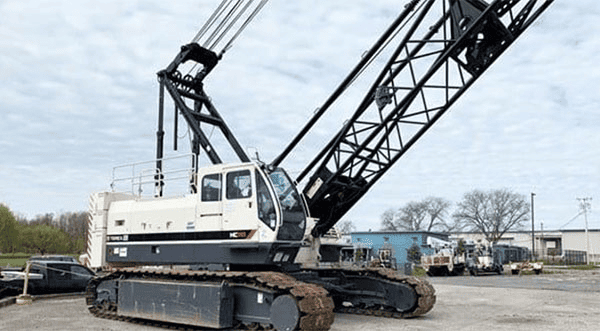
When Renting a Crawler Crane Makes Sense
1. Short-Term Projects
Rental is often the better solution for short-term projects where the crane is only needed temporarily.
Examples include:
- Single bridge installation
- Limited lifting operations
- Temporary industrial maintenance projects
Renting helps contractors avoid:
- High upfront investment
- Long-term maintenance costs
- Equipment storage expenses
Industry sources note that rental works best when equipment utilization is low or project demand is unpredictable.
2. Flexible Equipment Selection
Different projects require different crane capacities.
Rental allows contractors to:
- Switch crane models easily
- Choose specific lifting capacities
- Access specialized configurations
This flexibility is especially useful for contractors handling multiple project types.
3. Lower Maintenance Responsibility
Rental companies usually handle:
- Inspections
- Repairs
- Maintenance
- Compliance documentation
This reduces operational pressure for contractors without dedicated equipment management teams.
4. Lower Initial Capital Requirement
Crawler cranes are expensive assets. Large-capacity cranes can cost hundreds of thousands or even millions of dollars.
Rental helps preserve cash flow for:
- Payroll
- Materials
- Project bidding
- Business expansion
Cash flow flexibility is one of the biggest reasons many contractors choose rental solutions.
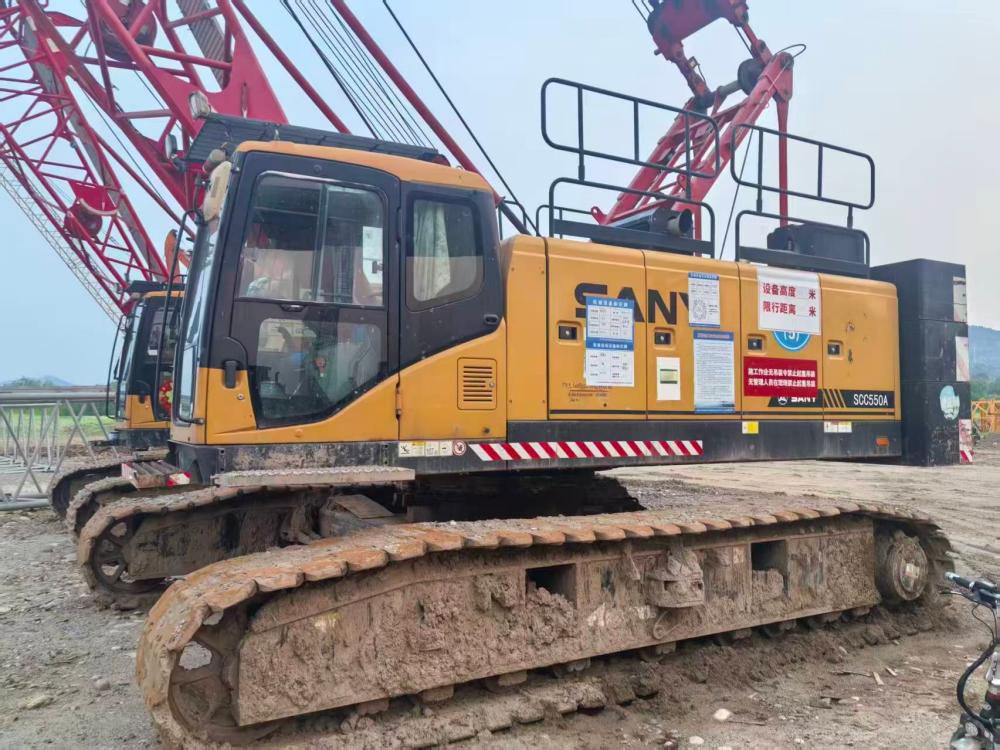
When Buying a Used Crawler Crane Is Better
1. Long-Term Projects
If contractors use crawler cranes frequently throughout the year, ownership usually becomes more cost-effective.
Several industry sources suggest ownership becomes financially attractive when utilization reaches around 60–70% annually.
For long-term infrastructure and energy projects, buying a used crawler crane can significantly reduce overall lifting costs.
2. Lower Long-Term Cost
While the initial investment is higher, ownership eliminates continuous rental fees.
Over several years, contractors may save substantial money compared with repeated rentals.
Additionally, well-maintained used crawler cranes often retain reasonable resale value.
3. Guaranteed Equipment Availability
Rental equipment may not always be available during peak construction seasons.
Owning a crawler crane ensures:
- Immediate equipment access
- Better project scheduling
- Reduced downtime risks
For contractors handling multiple simultaneous projects, equipment availability can be a major advantage.
4. Better Familiarity for Operators
Operators working regularly with the same crane often achieve:
- Higher efficiency
- Better lifting precision
- Improved safety
Contractors also gain the ability to customize equipment according to project requirements.
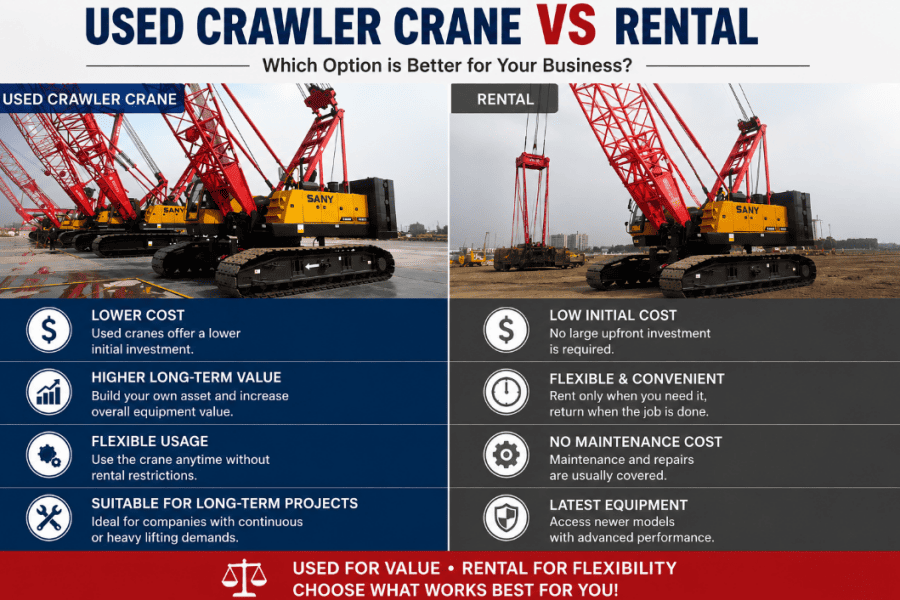
Used Crawler Crane vs Rental Comparison
| Factor | Used Crawler Crane Purchase | Crane Rental |
|---|---|---|
| Initial Investment | High | Low |
| Long-Term Cost | Lower over time | Higher over time |
| Flexibility | Limited to owned machine | High |
| Maintenance Responsibility | Contractor | Rental company |
| Equipment Availability | Always available | Depends on market availability |
| Asset Ownership | Yes | No |
| Best For | Long-term frequent use | Short-term or occasional use |
| Cash Flow Pressure | Higher | Lower |
Which Option Is Better for Construction Contractors?
Renting Is Better If:
- Projects are short-term
- Crane demand is irregular
- Budget is limited
- Different crane sizes are needed frequently
Buying Is Better If:
- Crane utilization is high
- Projects are continuous
- Long-term cost reduction is important
- Contractors want equipment control and ownership
Final Recommendation
For many contractors, the best strategy is often a combination of both approaches:
- Own core equipment used regularly
- Rent specialized or temporary lifting equipment when needed
This approach balances flexibility, cash flow management, and long-term profitability. Industry experts frequently recommend owning high-utilization equipment while renting specialized or low-frequency machines.
Before making a decision, contractors should carefully evaluate:
- Annual crane utilization
- Project duration
- Transportation costs
- Maintenance capability
- Financial capacity
- Future project pipeline
Choosing the right strategy can improve project efficiency, reduce operational risks, and maximize return on investment.
FAQ
It depends on project duration and usage frequency. Rental is better for short-term or occasional projects, while buying a used crawler crane is more cost-effective for long-term and high-utilization work.
Rental is ideal for short-term projects, limited lifting tasks, or when different crane capacities are required. It also reduces maintenance responsibility and upfront investment.
Buying is more suitable when cranes are used frequently throughout the year. High utilization (typically 60–70%) makes ownership more economical over time.
Key benefits include lower initial cost, flexible equipment selection, no maintenance burden, and better cash flow management for contractors.
The main risks include higher upfront investment, maintenance responsibility, storage costs, and potential downtime if the machine is not fully utilized.