
Choosing the correct lifting capacity is one of the most important decisions when buying a used crawler crane. A crane with insufficient capacity can create safety risks and reduce project efficiency, while an oversized crane may increase operational and transportation costs unnecessarily.
For construction contractors, engineering companies, and infrastructure project managers, understanding how to match crane capacity with project requirements is essential for maximizing productivity and controlling budgets.
Why Lifting Capacity Matters
The lifting capacity of a crawler crane determines:
- The maximum weight it can safely lift
- The working radius it can handle
- The types of projects it can support
- Transportation and operating costs
- Overall job site efficiency
Selecting the wrong capacity may lead to:
- Project delays
- Safety hazards
- Increased fuel consumption
- Higher maintenance expenses
- Reduced lifting performance
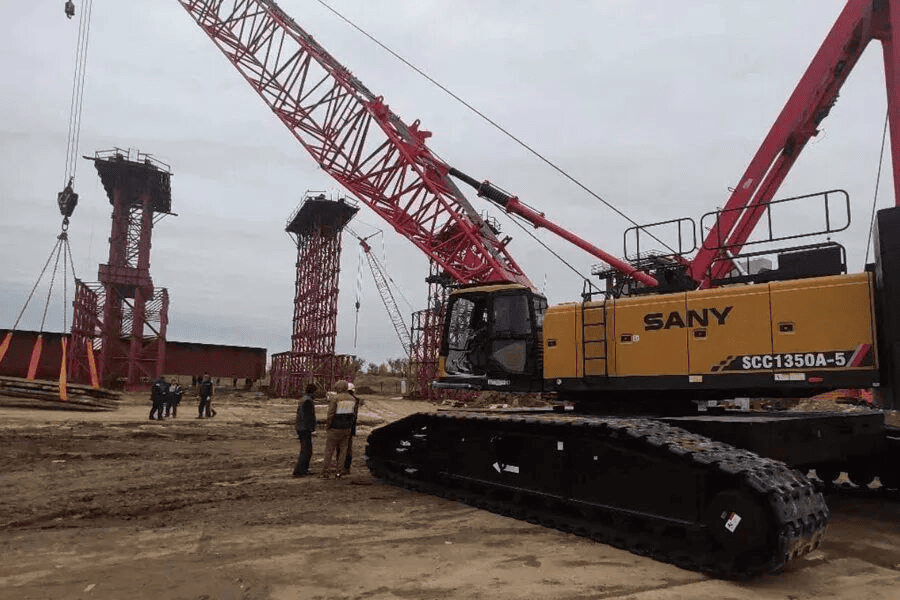
Step 1: Understand Your Project Requirements
Before purchasing a used crawler crane, contractors should evaluate:
Project Type
Different projects require different lifting capacities:
| Project Type | Recommended Capacity |
|---|---|
| Residential construction | 50–100 tons |
| Commercial buildings | 100–250 tons |
| Bridge construction | 250–600 tons |
| Wind power projects | 600+ tons |
| Industrial plant installation | 300–800 tons |
Step 2: Calculate Maximum Load Requirements
Always determine:
- Maximum component weight
- Lifting height
- Working radius
- Required boom length
A crane’s lifting capacity decreases as the working radius increases. This is why contractors should never select a crane based only on maximum rated capacity.
For safety, many contractors follow the 75% lifting rule:
Use only around 75% of the crane’s maximum rated lifting capacity during normal operations.
Step 3: Consider Ground Conditions
Crawler cranes are widely used because of their stability on soft or uneven ground. However, site conditions still affect crane selection.
Important factors include:
- Soil bearing capacity
- Ground slope
- Weather conditions
- Space limitations
Poor ground conditions may require a crane with:
- Wider tracks
- Better load distribution
- Lower ground pressure
Step 4: Match the Crane to Job Frequency
Occasional Heavy Lifting
If heavy lifting is only needed occasionally, a medium-capacity used crawler crane may be more cost-effective.
Long-Term Heavy Projects
For long-term infrastructure or energy projects, investing in a higher-capacity crawler crane can improve efficiency and reduce downtime.
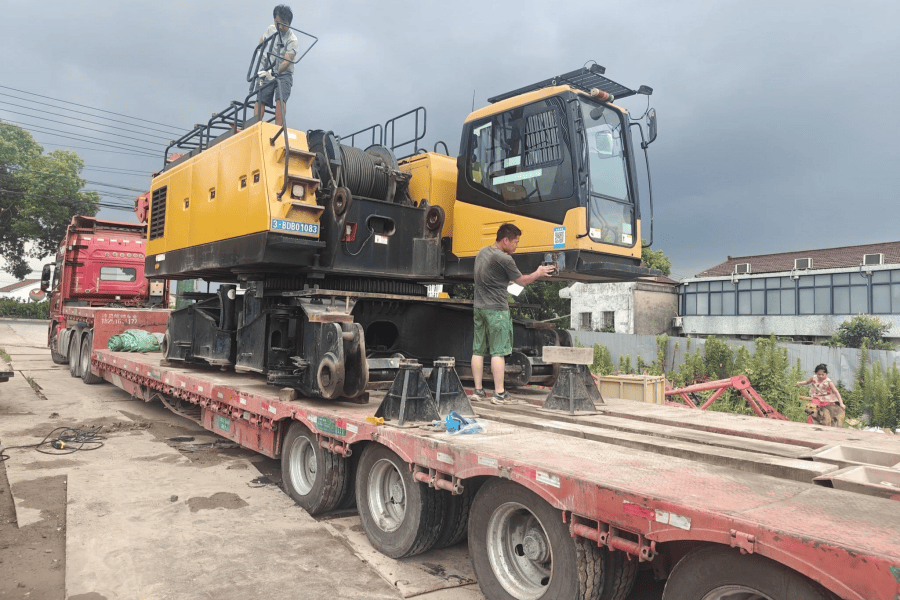
Step 5: Evaluate Transportation and Assembly Costs
Larger crawler cranes offer higher lifting capacities but also involve:
- Higher shipping costs
- Longer assembly times
- More transportation permits
- Increased fuel consumption
Construction companies should balance lifting performance with operational costs.
Step 6: Inspect the Crane Carefully
When buying a used crawler crane, contractors should inspect:
- Boom structure
- Hydraulic system
- Engine condition
- Wire ropes
- Slewing system
- Undercarriage wear
- Maintenance records
- Working hours
Professional inspection reports and operation videos can help reduce purchasing risks.
Popular Used Crawler Crane Capacity Ranges
50–100 Ton
Best for:
- Small commercial projects
- Urban construction
- General lifting work
150–300 Ton
Best for:
- Infrastructure projects
- Bridge construction
- Large steel structure installation
400 Ton and Above
Best for:
- Wind farm installation
- Petrochemical projects
- Heavy industrial lifting
Top Brands Preferred by Contractors
Many construction companies prefer brands known for reliability and easier spare parts support, including:
- SANY
- XCMG
- Liebherr
- Zoomlion
- Manitowoc
Conclusion
Choosing the right lifting capacity for a used crawler crane requires balancing safety, project requirements, operational efficiency, and overall ownership costs.
For contractors and construction companies, the ideal crane is not necessarily the largest one — it is the crane that best matches the actual lifting demands of the project while maintaining reliable performance and cost efficiency.
Before purchasing, always review load charts, inspect machine condition carefully, and work with experienced suppliers who can provide technical support and inspection documentation.
FAQ
You should evaluate the maximum load weight, lifting height, working radius, and project type. Contractors often use only about 75% of the crane’s rated lifting capacity for safer operations.
Bridge construction projects typically require crawler cranes ranging from 250 to 600 tons, depending on girder weight, lifting radius, and installation conditions.
A crawler crane’s lifting capacity decreases as the working radius increases. Even if a crane has a high maximum capacity, it may lift much less at longer boom distances.
Yes, high-quality used crawler cranes can provide reliable performance if they are properly inspected and maintained. Buyers should carefully check the hydraulic system, boom structure, undercarriage, and maintenance records before purchasing.
Popular used crawler crane brands include:
SANY
XCMG
Liebherr
Zoomlion
Manitowoc
These brands are widely recognized for lifting performance, durability, and spare parts availability.