
In modern construction projects, cranes are indispensable lifting equipment used for transporting heavy materials, assembling structural components, and improving overall productivity. Understanding the main types of cranes and their crane applications is essential for selecting the right construction crane for different project requirements.
Crane Classification Criteria
Cranes can be categorized based on several technical and operational factors. The most common crane classification methods include:
1. Classification by Mobility
Mobility is one of the primary factors in crane selection.
- Mobile cranes – Mounted on wheels or trucks, designed for easy relocation.
- Crawler cranes – Equipped with tracks for enhanced stability.
- Fixed cranes – Installed at a specific location, such as tower cranes.
Mobility determines transportation efficiency and suitability for different job site conditions.
2. Classification by Lifting Capacity
Cranes are also categorized by their maximum lifting capacity:
- Light-duty cranes
- Medium-duty cranes
- Heavy-duty cranes
Heavy lifting projects such as bridge construction or power plant installation require cranes with significantly higher load capacity.
3. Classification by Structural Design
The structural configuration influences working height and load distribution.
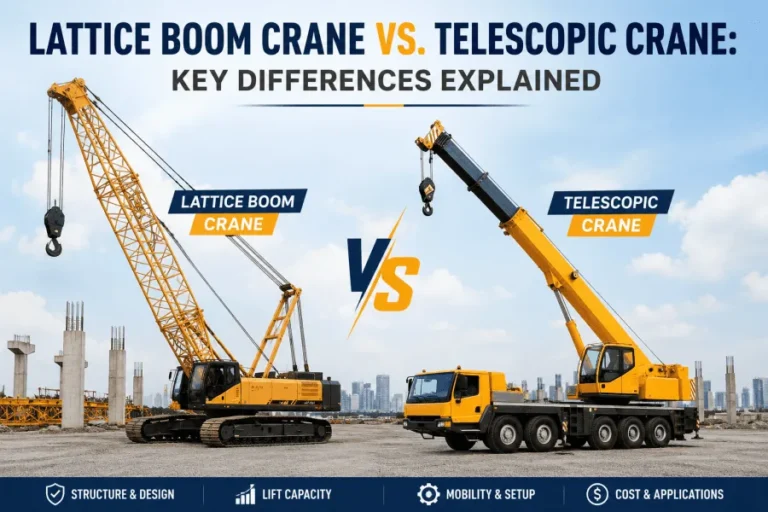
- Telescopic boom cranes
- Lattice boom cranes
- Tower cranes
- Gantry cranes
Each structural type is engineered for specific crane applications.
4. Classification by Application Environment
Different construction environments require specialized crane types:
- Urban construction cranes
- Offshore cranes
- Industrial plant cranes
- Infrastructure project cranes
Environmental factors such as terrain, space limitations, and weather conditions impact crane selection.
Main Types of Cranes Used in Modern Construction
Based on the classification criteria above, the following are the most commonly used construction crane categories:
1. Mobile Cranes
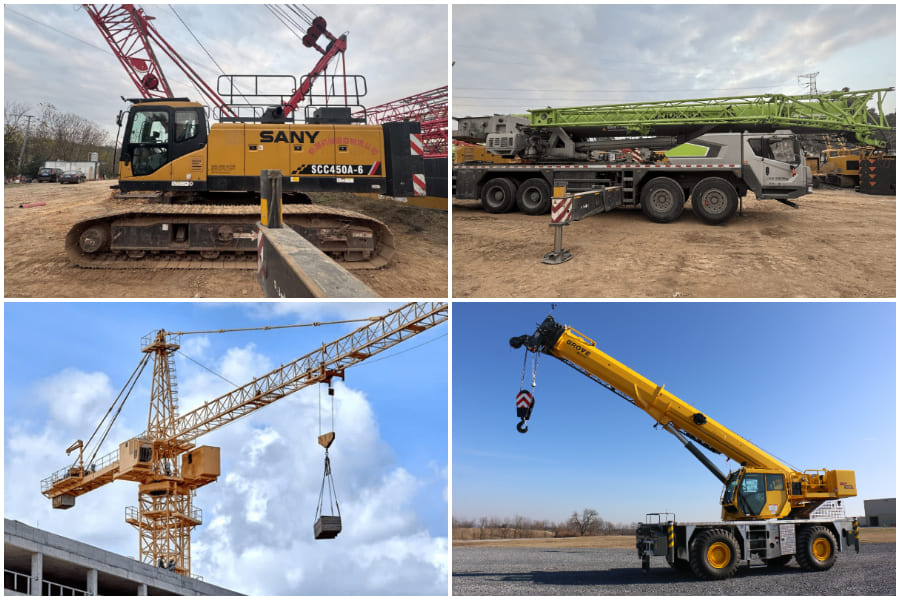
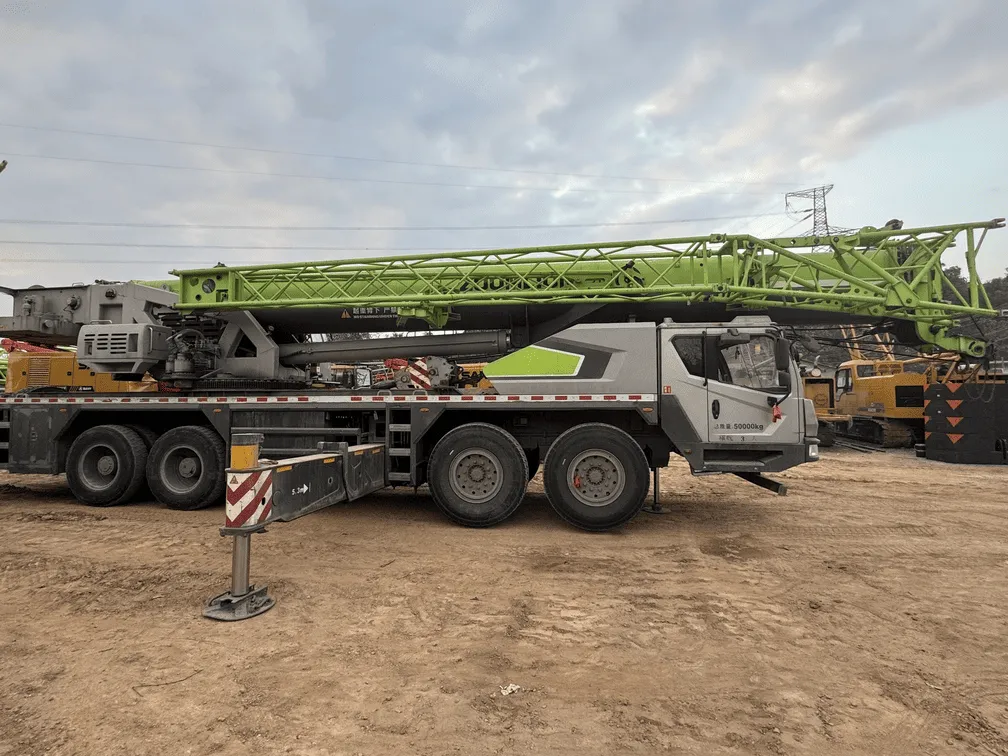
A mobile crane is a crane mounted on a general-purpose or special-purpose truck chassis, equipped with lifting devices and equipment. The modified general-purpose truck chassis or a special chassis used for crane installation forms the traveling unit, and the axles mostly use elastic suspension. The crane and chassis have separate cabs.
Mobile cranes have high travel speeds, generally 50-80 km/h, making them suitable for rapid long-distance changes of work sites, offering good mobility. They are primarily powered by diesel engines.
Mobile cranes can not travel with a load because their long body, large turning radius, and poor off-road capability further reduce their performance when loaded. Additionally, truck cranes must have outriggers deployed for lifting operations; without a fifth outrigger at the front, they cannot lift heavy loads from the front.
Applications:
- Equipment installation
- Urban building projects
- Road and bridge construction
- Maintenance operations
Advantages:
- High mobility
- Quick setup
- Flexible deployment
2. Crawler Cranes
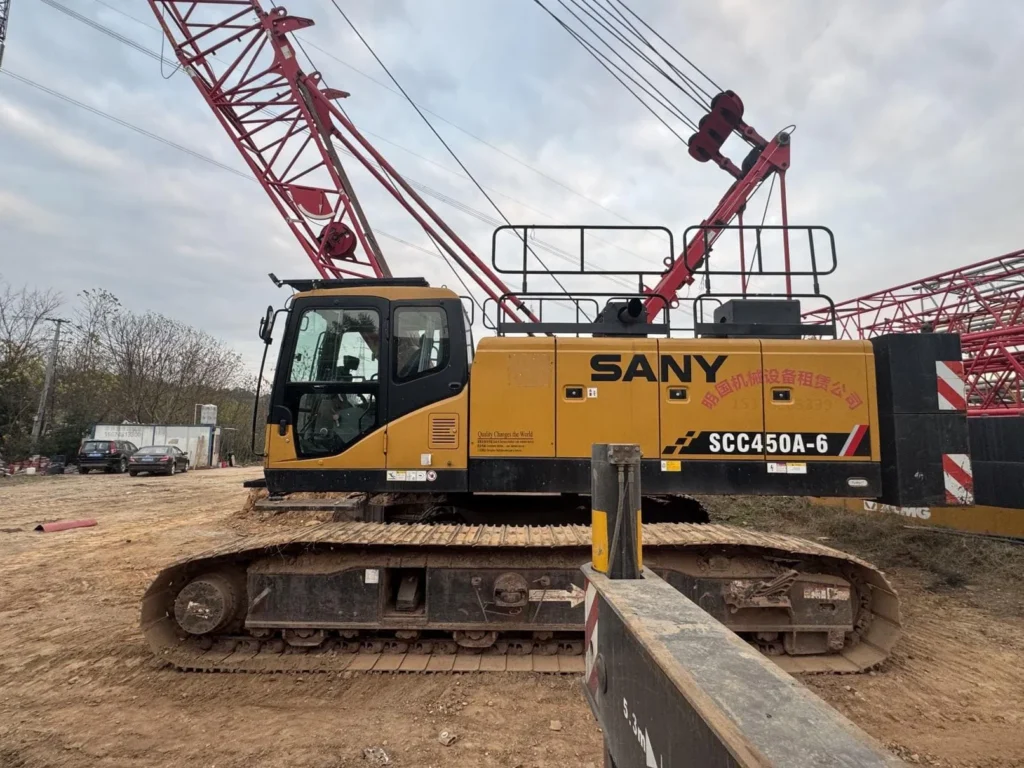
A crawler crane is a type of heavy-duty construction crane mounted on a tracked undercarriage, which provides superior stability and load distribution. Unlike wheeled cranes, crawler cranes move on continuous tracks, allowing them to operate efficiently on soft, uneven, or challenging ground conditions without the need for outriggers.
Applications:
- Foundation works
- Wind turbine erection
- Large infrastructure projects
- Industrial construction
Advantages:
- Excellent ground adaptability
- High lifting performance
- Strong structural stability
3. Tower Cranes
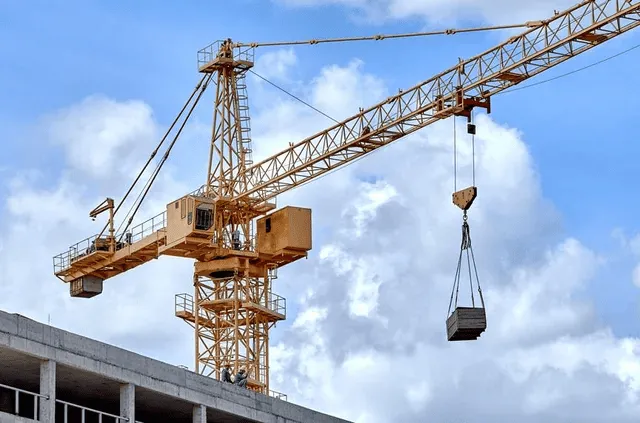
Tower cranes are the most commonly used lifting equipment on construction sites. They are also called tower cranes and are made by connecting sections to lift construction materials such as steel bars, timber, concrete, and steel pipes.
Applications:
- High-rise residential buildings
- Commercial skyscrapers
- Large-scale urban developments
Advantages:
- Exceptional working height
- Wide operating radius
- Precise material handling
4. Rough Terrain Cranes
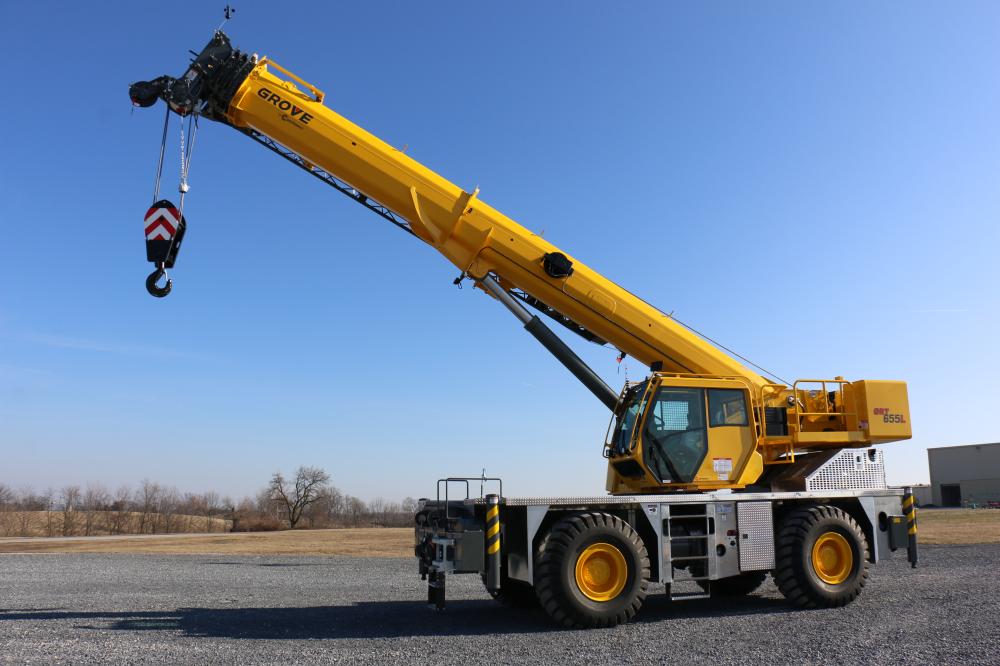
Rough terrain cranes are designed for off-road and uneven ground conditions.
Applications:
- Oil and gas sites
- Remote industrial projects
- Challenging construction environments
Advantages:
- Strong off-road capability
- Compact design
- Reliable lifting performance
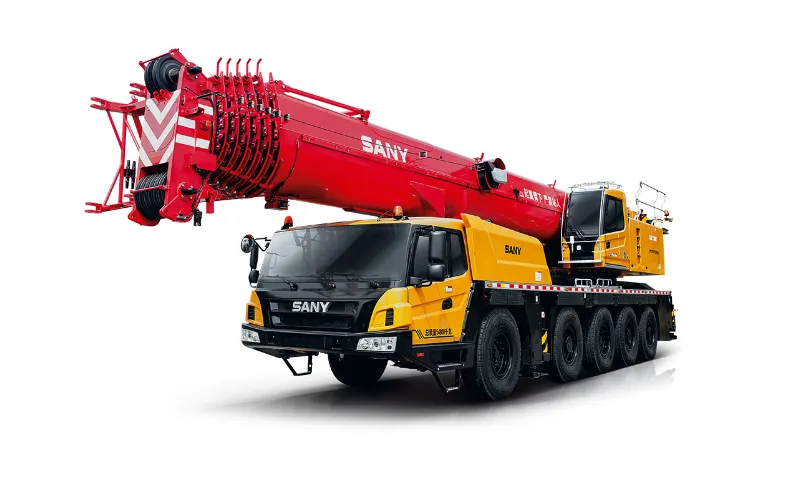
5. All-Terrain Cranes
All-terrain cranes combine highway mobility with off-road capability.
Applications:
- Wind farm construction
- Infrastructure development
- Heavy industrial lifting
Advantages:
- Multi-environment adaptability
- High lifting capacity
- Long-distance travel efficiency
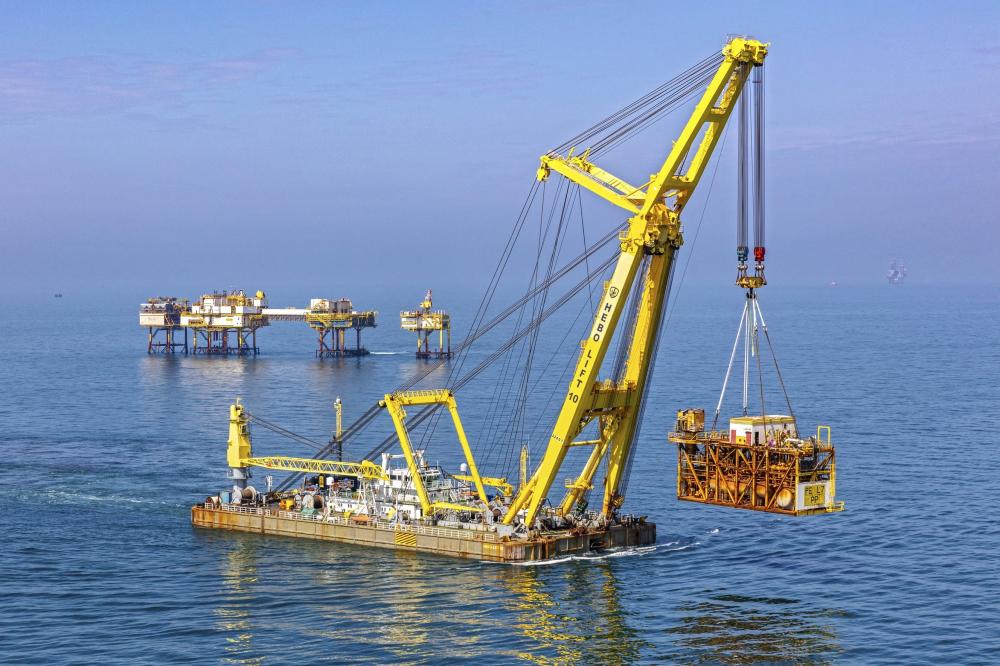
6. Floating Cranes
A Floating Crane is a type of crane mounted on a barge, pontoon, or floating platform, specifically designed for lifting operations over water.
These cranes are commonly used in marine engineering and offshore construction, where traditional land-based cranes cannot operate. Floating cranes can be equipped with either lattice booms or telescopic booms depending on the lifting requirements.
Applications:
- Port construction
- Offshore engineering
- Bridge construction over water
They are essential for marine heavy lifting operations.
How to Choose the Right Crane Type
Selecting the appropriate crane depends on:
- Required lifting capacity
- Project scale
- Ground conditions
- Transportation limitations
- Budget and operational efficiency
Understanding crane classification criteria ensures optimal equipment selection and improved project outcomes.
Conclusion
The main types of cranes and their applications in modern construction vary depending on mobility, structural design, lifting capacity, and working environment. By understanding these crane categories and classification standards, contractors and equipment buyers can make informed decisions that improve safety, productivity, and cost efficiency.
FAQ
Construction cranes include mobile, crawler, tower, rough terrain, all-terrain, and floating cranes, each suited for specific lifting capacities, environments, and project needs.
Mobile cranes use wheels for fast relocation on roads, while crawler cranes use tracks for stability on soft or uneven terrain without outriggers.
Tower cranes offer high working height, wide operating radius, and precise material handling, ideal for skyscrapers and large urban construction.
All-terrain cranes suit long-distance travel and heavy lifting; rough terrain cranes handle off-road or uneven sites like oil, gas, and industrial projects.
Crane choice depends on load capacity, project scale, ground conditions, transport limits, and budget to ensure safe and efficient operations.