
Cranes are essential machines in construction, infrastructure, and heavy lifting projects. One of the most common questions from contractors and buyers is: how much weight can a crane actually lift?
The answer depends on several key factors, including crane type, boom length, and working radius. In this guide, we’ll explain crane lifting capacity, how to read load charts, and provide real-world examples.
What Is Crane Lifting Capacity?
Crane lifting capacity refers to the maximum weight a crane can safely lift under specific conditions.
👉 Important:
The rated capacity is not fixed — it changes based on how the crane is set up and used.
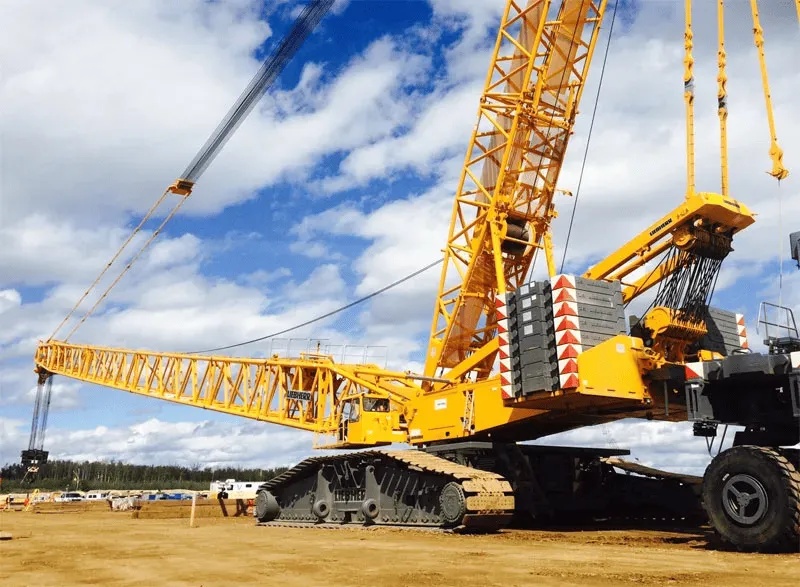
Key Factors That Affect Crane Lifting Capacity
1. Boom Length
- Shorter boom = higher lifting capacity
- Longer boom = lower capacity
👉 Because a longer boom creates more leverage and reduces stability.
2. Working Radius
- Smaller radius (load closer to crane) = higher capacity
- Larger radius = lower capacity
👉 This is one of the most critical factors in lifting operations.
3. Crane Type
Different cranes have very different lifting capabilities:
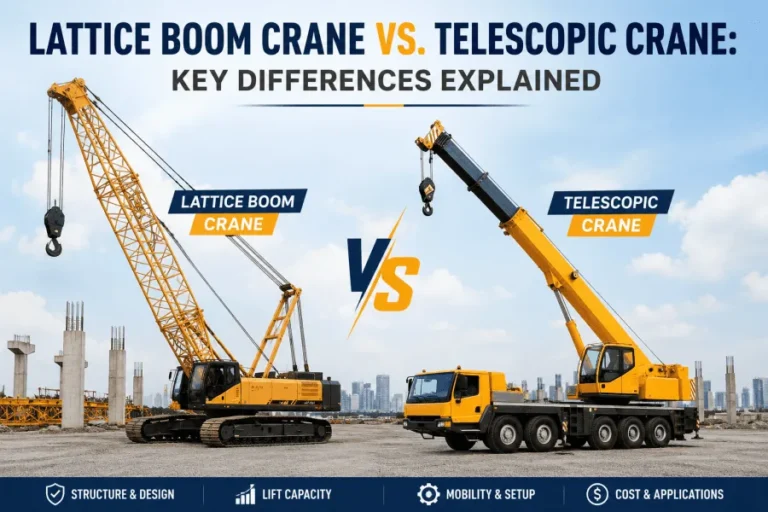
- Crawler cranes – high capacity, excellent stability
- Truck cranes – mobile but lower capacity
- All-terrain cranes – balance between mobility and power
4. Counterweights
Adding counterweights increases lifting capacity by improving balance.
5. Ground Conditions
- Stable ground = safe lifting
- Soft or uneven ground = reduced capacity
👉 Poor ground conditions can significantly limit performance.
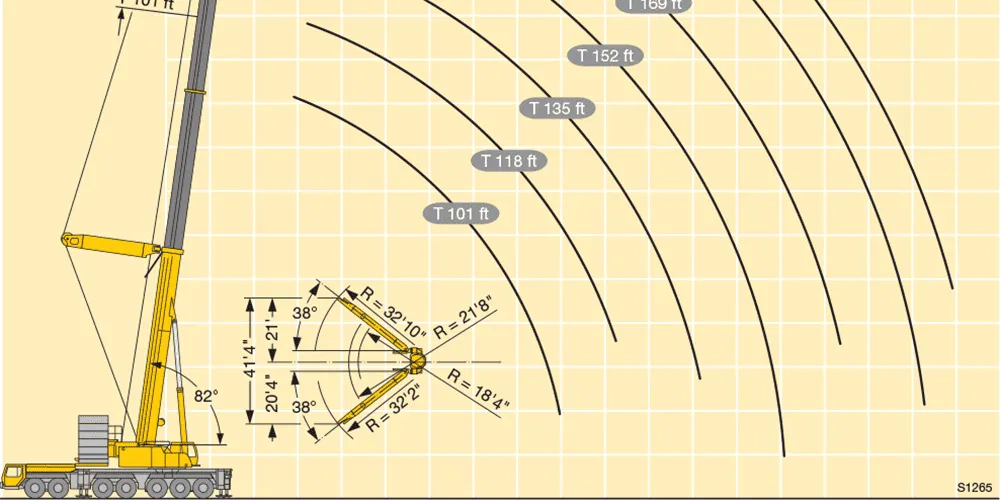
Understanding Crane Load Charts
A load chart is a reference table provided by the manufacturer that shows:
- Maximum lifting capacity
- Based on boom length and working radius
- Under specific configurations
👉 Operators must always follow load charts to ensure safety.
Simple Example
- At 5 meters radius → crane may lift 100 tons
- At 20 meters radius → capacity may drop to 20 tons
👉 Same crane, very different capacity!
Real Examples of Crane Lifting Capacity
SANY SCC550C Crawler Crane
- Max lifting capacity: 550 tons
- Strong performance in foundation and infrastructure projects
- High stability under heavy loads
👉 At shorter radius, it can handle near maximum loads, but capacity drops significantly at longer reach.
SANY SCC1000A Crawler Crane
- Max lifting capacity: 1000 tons
- Widely used in wind power and large-scale construction
- Suitable for heavy lifting with long boom configurations
SANY SCC1500 Crawler Crane
- Max lifting capacity: 1600 tons
- Designed for ultra-heavy lifting projects
- Commonly used in petrochemical and energy sectors
XCMG QUY800 Crawler Crane
- Max lifting capacity: 800 tons
- Reliable performance in bridge and infrastructure projects
- Balanced lifting capacity and mobility
Why Lifting Capacity Changes
Many beginners think a crane can always lift its “maximum rated load.”
👉 This is incorrect.
Capacity changes because of:
- Physics (moment and leverage)
- Safety limits
- Structural design
Tips for Safe Lifting Operations
- Always check the load chart before lifting
- Keep the load as close to the crane as possible
- Use proper counterweights
- Ensure stable ground conditions
- Work with trained operators
Choosing the Right Crane for Your Project
When selecting a crane, consider:
- Required lifting weight
- Working radius
- Site conditions
- Transport and setup requirements
👉 Choosing the right crane improves efficiency and reduces costs.
Conclusion
So, how much weight can a crane lift?
👉 It depends on multiple factors — not just the crane itself.
Understanding load charts, working radius, and setup conditions is essential for safe and efficient lifting operations.
If you are looking for reliable used crawler cranes or truck cranes for your projects, feel free to contact us for professional support and competitive pricing.
FAQ
The maximum lifting capacity depends on the crane model. For example, large crawler cranes can lift over 1000 tons, but actual capacity varies based on working radius, boom length, and site conditions.
As the working radius increases, the load creates more leverage (moment force), which reduces the crane’s stability. Therefore, lifting capacity decreases as the load moves farther from the crane.
A load chart is a manufacturer-provided guide that shows the safe lifting capacity under different configurations. It is essential for ensuring safe and compliant lifting operations.
Crawler cranes typically offer the highest lifting capacity due to their stability and ability to handle heavy loads, especially in large-scale infrastructure and energy projects.
You should consider factors such as required lifting weight, working radius, site conditions, and project type. Consulting with equipment suppliers can help you select the most suitable crane.