
Choosing the right crane can have a major impact on project efficiency, operating costs, and jobsite safety. Two of the most widely used crane types in construction are the lattice boom crane and the telescopic crane. While both are designed to lift and move heavy loads, they differ significantly in structure, lifting performance, setup requirements, and the types of projects they are best suited for.
Whether you’re planning to purchase a new machine, invest in a used crane, or simply determine the best equipment for an upcoming project, understanding these differences can help you make a more informed decision.
Understanding the Two Crane Types
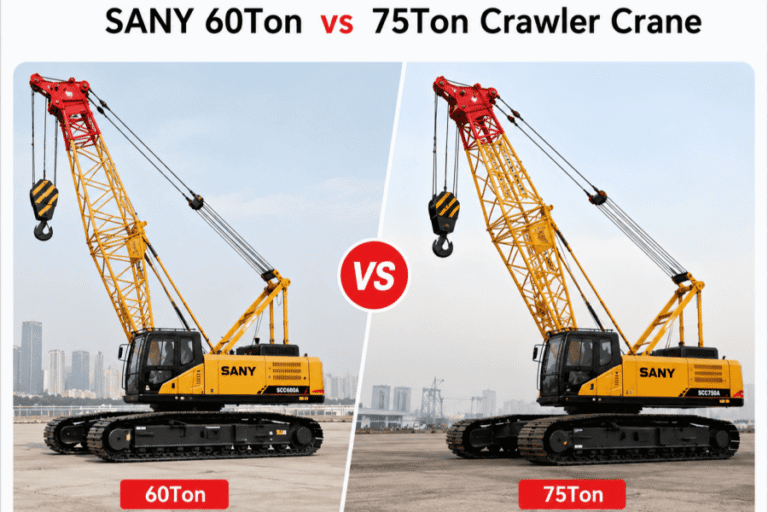
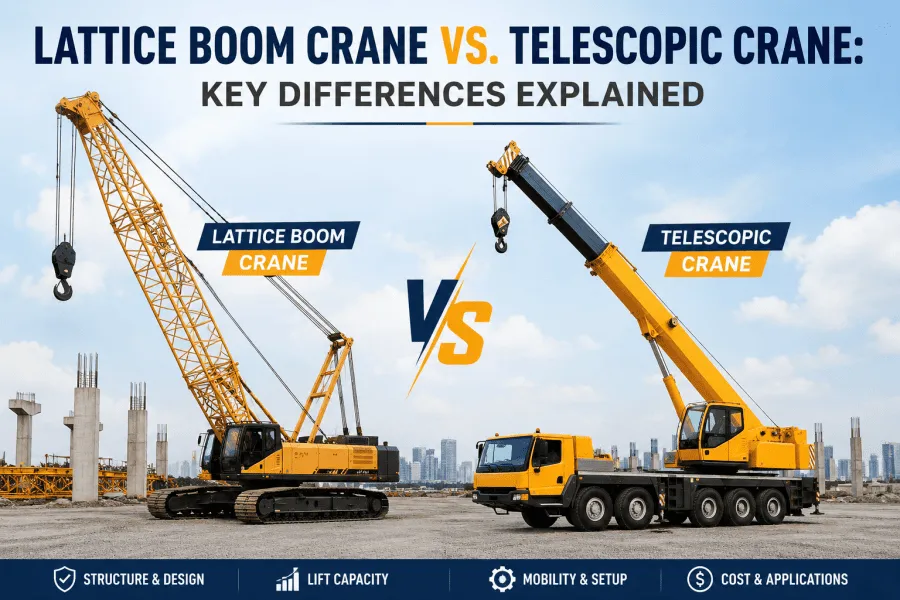
A lattice boom crane uses a boom built from interconnected steel sections that form a truss-like structure. This design provides high strength while keeping the boom relatively lightweight. Because of its excellent load-bearing capability, lattice boom cranes are commonly used for heavy lifting on large infrastructure projects.
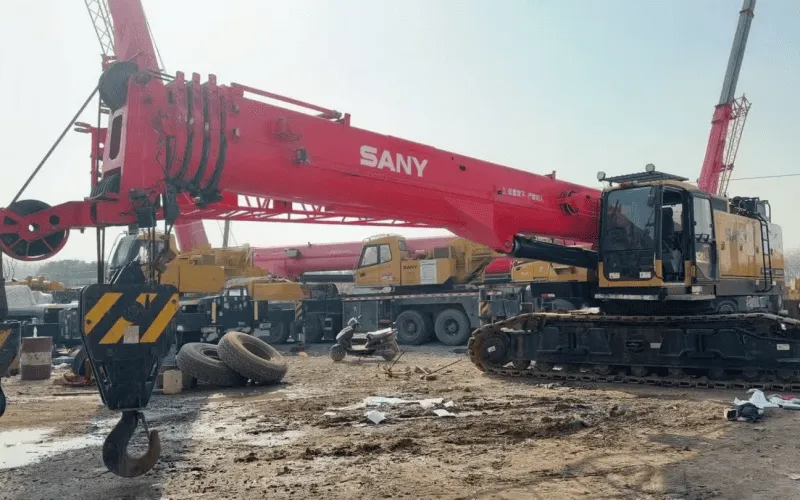
A telescopic crane, on the other hand, features a boom made of nested steel sections that extend and retract hydraulically. Operators can quickly adjust the boom length without adding or removing components, making telescopic cranes highly versatile and efficient for projects requiring frequent relocation.
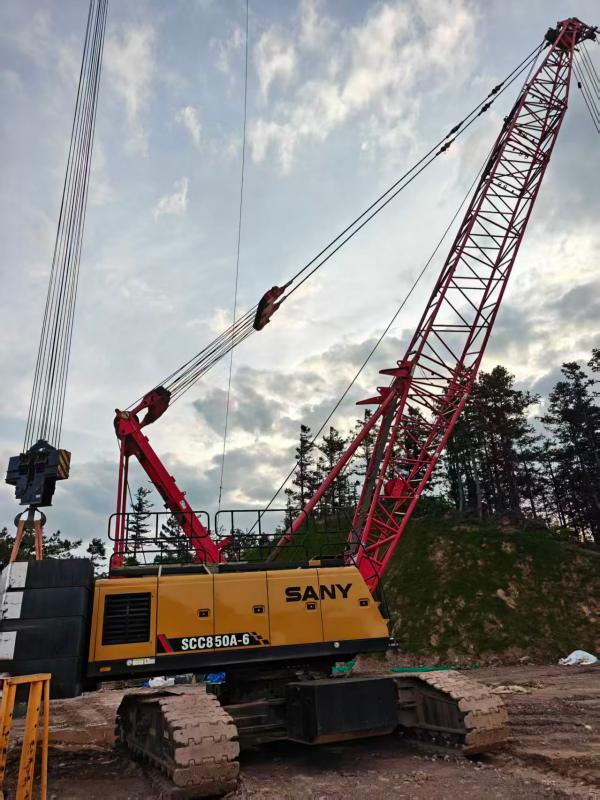
Side-by-Side Comparison
| Feature | Lattice Boom Crane | Telescopic Crane |
|---|---|---|
| Boom Structure | Steel lattice sections | Hydraulic telescopic boom |
| Maximum Lifting Capacity | Very high | Moderate to high |
| Boom Extension | Manual assembly | Hydraulic extension |
| Setup Time | Longer | Shorter |
| Mobility | Limited after assembly | Excellent |
| Best For | Heavy infrastructure projects | General construction and utility work |
| Transportation | Requires multiple loads | Easier to transport |
| Operating Flexibility | Lower | Higher |
Although both machines can perform lifting operations effectively, their strengths become apparent in different working environments.
Lifting Capacity
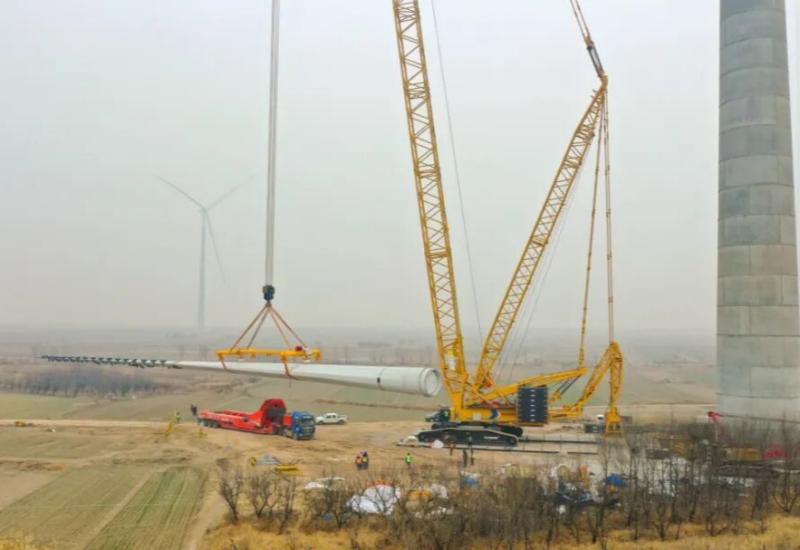
One of the biggest advantages of a lattice boom crane is its lifting capability.
Because the truss structure distributes stress efficiently, lattice boom cranes can safely lift extremely heavy loads while maintaining excellent stability. This makes them the preferred choice for projects involving:
- Bridge construction
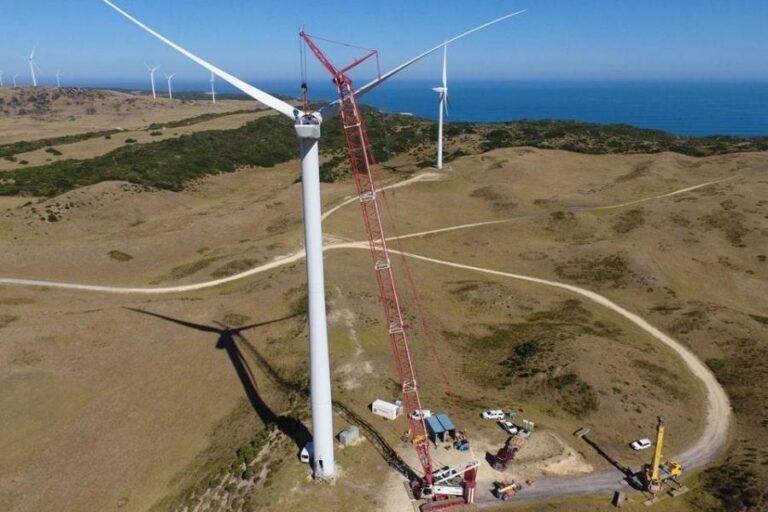
- Wind turbine installation
- Port development
- Petrochemical plants
- Large foundation projects
- Industrial construction
Telescopic cranes also offer impressive lifting capacities, especially modern hydraulic models. However, they generally cannot match the maximum capacities achieved by large lattice boom cranes operating with long boom configurations.
If the project involves exceptionally heavy components, a lattice boom crane is often the better solution.
Jobsite Mobility
Mobility is where telescopic cranes excel.
Once a telescopic crane arrives at the site, operators can usually begin lifting after minimal preparation. The hydraulic boom extends quickly, allowing the crane to adapt to different lifting heights throughout the day.
This flexibility makes telescopic cranes ideal for projects where equipment needs to move frequently, including:
- Building construction
- Road maintenance
- Utility installation
- Residential developments
- Equipment installation
In comparison, lattice boom cranes require considerably more assembly before work begins. After installation, relocating the crane often requires partial or complete disassembly.
For projects involving multiple work locations, telescopic cranes typically provide greater productivity.
Setup Requirements
Setup time can directly affect project schedules and operating costs.
A lattice boom crane usually requires:
- Boom section assembly
- Counterweight installation
- Rigging inspection
- Multiple support vehicles
- Additional assembly personnel
Depending on crane size, setup may require several hours or even multiple days.
Telescopic cranes simplify this process.
Most hydraulic telescopic cranes can be positioned, stabilized with outriggers (if applicable), and made operational in a relatively short period. Contractors working under tight deadlines often value this efficiency.
Working Radius and Reach
Both crane types can achieve significant lifting heights, but they approach the task differently.
Lattice boom cranes allow contractors to configure various boom lengths by adding lattice sections. This flexibility is particularly valuable for projects requiring extremely long boom systems.
Telescopic cranes rely on hydraulic cylinders to extend the boom smoothly. Operators can adjust boom length during lifting operations, making them highly adaptable for changing site conditions.
Projects involving frequent height adjustments generally benefit from telescopic technology.
Transportation and Logistics
Transportation costs are another important consideration.
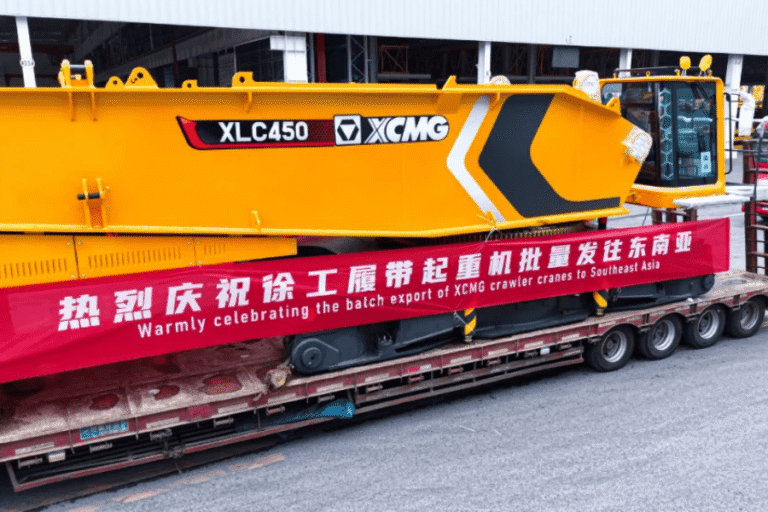
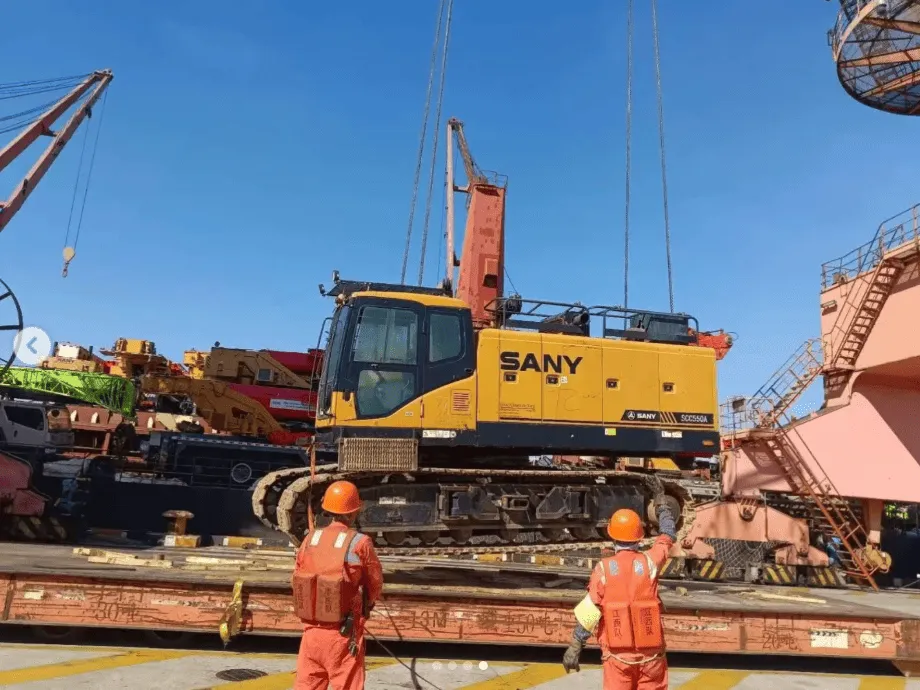
Lattice boom cranes typically require multiple transport vehicles because the boom sections, counterweights, and accessories are moved separately.
This increases:
- Transportation expenses
- Assembly time
- Site preparation requirements
Telescopic cranes are much easier to mobilize.
Many models travel with the boom already installed, reducing transportation complexity and allowing contractors to respond quickly to new projects.
Maintenance Considerations
Proper maintenance extends crane life regardless of the boom type.
For lattice boom cranes, routine inspections should focus on:
- Boom pins
- Structural welds
- Connecting joints
- Wire ropes
- Pulley systems
For telescopic cranes, maintenance often includes:
- Hydraulic cylinders
- Extension mechanisms
- Hydraulic hoses
- Seals
- Boom wear pads
Preventive maintenance reduces unexpected downtime and improves lifting safety for both crane types.
Typical Applications
The table below summarizes where each crane performs best.
| Project Type | Recommended Crane |
|---|---|
| Wind Farm Construction | Lattice Boom Crane |
| Bridge Construction | Lattice Boom Crane |
| Marine Engineering | Lattice Boom Crane |
| High-Rise Building Construction | Telescopic Crane |
| Utility Installation | Telescopic Crane |
| Road Maintenance | Telescopic Crane |
| Factory Equipment Installation | Telescopic Crane |
| General Construction | Telescopic Crane |
The project itself often determines the most suitable crane.
Cost Considerations
Equipment cost involves much more than the purchase price.
Contractors should evaluate:
- Transportation expenses
- Assembly time
- Fuel consumption
- Labor requirements
- Maintenance costs
- Expected utilization
Although lattice boom cranes often require higher setup costs, they deliver outstanding value on long-term projects involving heavy lifting.
Telescopic cranes generally offer lower operating costs on shorter jobs because they require less assembly and can move efficiently between sites.
Selecting the right crane depends on balancing lifting requirements with overall project economics.
Factors to Consider Before Choosing
Before investing in a crane, ask the following questions:
- What is the maximum load weight?
- How often will the crane need to move?
- Is the project long-term or short-term?
- How much setup time is available?
- Are transportation costs a major concern?
- Will lifting heights change frequently?
Answering these questions helps narrow down the most practical solution.
For contractors specializing in infrastructure, energy, or foundation engineering, a lattice boom crane often provides superior lifting performance.
For companies handling diverse construction projects across multiple locations, a telescopic crane usually offers greater flexibility.
Final Thoughts
Neither crane is universally better—the right choice depends on the demands of the project.
A lattice boom crane stands out when maximum lifting capacity, stability, and long boom configurations are required. It is commonly selected for heavy industrial work, bridge construction, wind energy projects, and large-scale foundation engineering.
A telescopic crane offers faster deployment, greater mobility, and easier transportation. These advantages make it well suited for general construction, equipment installation, municipal projects, and jobs that require frequent repositioning.
Understanding the strengths and limitations of each design allows contractors to improve efficiency, control operating costs, and select equipment that matches both current and future project requirements.
FAQ:
The main difference is the boom design. A lattice boom crane uses steel truss sections assembled together for maximum lifting capacity, while a telescopic crane uses hydraulic boom sections that extend and retract quickly, offering greater mobility and faster setup.
Lattice boom cranes are generally the better choice for heavy lifting. Their truss structure provides excellent strength and stability, making them suitable for bridge construction, wind farm installation, petrochemical projects, and other large-scale infrastructure work.
A telescopic crane is ideal when projects require frequent relocation, fast setup, or flexible boom adjustment. It is commonly used for commercial construction, utility work, equipment installation, and short-term lifting operations.
Lattice boom cranes often have higher transportation and assembly costs because the boom sections and counterweights must be transported separately. However, for long-duration projects involving heavy loads, their lifting performance can provide better overall value.
Before purchasing a used crane, inspect the boom structure, wire ropes, hydraulic system, engine, undercarriage or chassis, lifting records, maintenance history, and safety components. A thorough inspection helps ensure reliable performance and reduces future repair costs.