
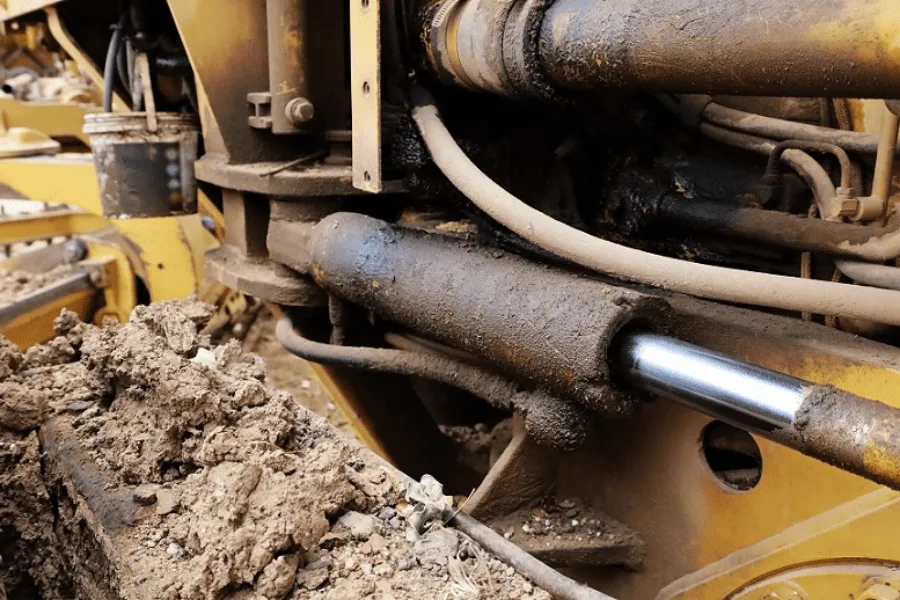
Hydraulic systems are the backbone of heavy construction equipment such as rotary drilling rigs and crawler cranes. They power essential functions including lifting, rotation, crowd force, and travel. When hydraulic components fail, the result can be costly downtime, reduced efficiency, and safety risks.
Understanding common hydraulic system failures and implementing preventive measures can significantly extend equipment lifespan and ensure reliable performance. This guide explores the most frequent hydraulic issues and provides practical solutions to prevent them.
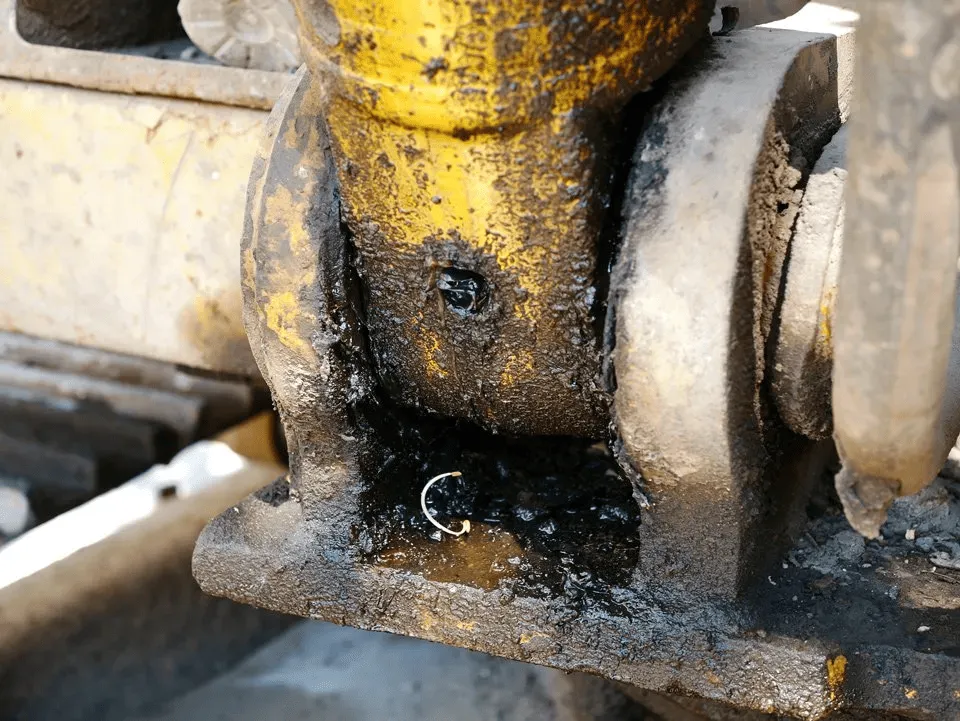
Hydraulic Oil Contamination
Causes
Hydraulic oil contamination is one of the leading causes of system failure. Contaminants may include:
- Dust and dirt particles
- Water or moisture
- Metal debris from component wear
- Air bubbles
These impurities can damage pumps, valves, and cylinders, leading to reduced efficiency and premature wear.
Symptoms
- Increased system noise
- Erratic or slow movements
- Overheating
- Reduced pressure and efficiency
- Premature component wear
Prevention
- Use high-quality hydraulic oil.
- Replace filters regularly.
- Store oil in clean, sealed containers.
- Inspect seals and breathers to prevent ingress of contaminants.
- Conduct periodic oil analysis.
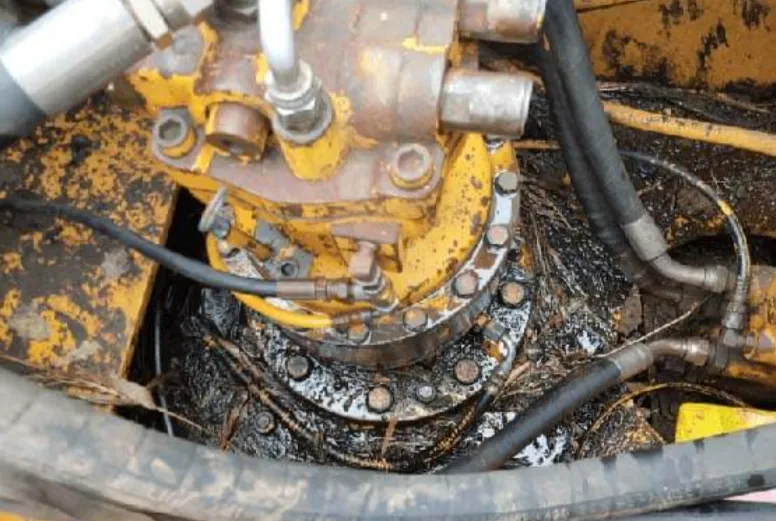
Hydraulic Leakage
Causes
Leakage can be categorized into external and internal leaks:
- Worn seals and O-rings
- Damaged hoses or fittings
- Loose connections
- Cracked cylinders or valves
Symptoms
- Visible oil around components
- Pressure loss
- Decreased operational efficiency
- Environmental hazards
Prevention
- Perform routine inspections of hoses and fittings.
- Replace worn seals promptly.
- Ensure proper tightening of connections.
- Use components compatible with system pressure ratings.
Overheating of Hydraulic Oil
Causes
Excessive heat can degrade hydraulic oil and damage system components. Common reasons include:
- Continuous heavy operation
- Insufficient cooling
- Low oil levels
- Internal leakage causing energy loss
- Incorrect oil viscosity
Symptoms
- Oil temperature exceeding recommended limits
- Reduced system efficiency
- Seal hardening and failure
- Darkened or burnt-smelling oil
Prevention
- Maintain proper oil levels.
- Clean and inspect cooling systems regularly.
- Use hydraulic oil with the correct viscosity.
- Avoid prolonged operation under excessive loads.
- Monitor system temperature with sensors.
Pump Failure
Causes
Hydraulic pumps are critical components and may fail due to:
- Oil contamination
- Cavitation or aeration
- Overloading
- Misalignment
- Poor maintenance
Symptoms
- Unusual noise (knocking or whining)
- Reduced pressure or flow
- Slow or weak equipment movements
- Excessive vibration
Prevention
- Ensure proper filtration of hydraulic oil.
- Maintain adequate oil levels to prevent cavitation.
- Operate equipment within rated capacity.
- Perform regular maintenance and alignment checks.
Cavitation and Aeration
Causes
- Cavitation occurs when vapor bubbles form due to low inlet pressure.
- Aeration happens when air enters the hydraulic system through leaks or improper maintenance.
Symptoms
- Loud knocking or whining noises
- Foamy hydraulic oil
- Vibration and reduced efficiency
- Accelerated component wear
Prevention
- Check and tighten suction line connections.
- Maintain proper oil levels.
- Ensure the suction filter is not clogged.
- Use correctly sized hoses and fittings.
Valve Malfunctions
Causes
Hydraulic valves control fluid direction and pressure. Failures may result from:
- Contamination
- Wear and tear
- Improper adjustments
- Corrosion
Symptoms
- Erratic equipment movement
- Inconsistent pressure
- Slow response times
- Inability to hold loads
Prevention
- Maintain clean hydraulic oil.
- Regularly inspect and test valve performance.
- Replace worn components promptly.
- Follow manufacturer calibration guidelines.
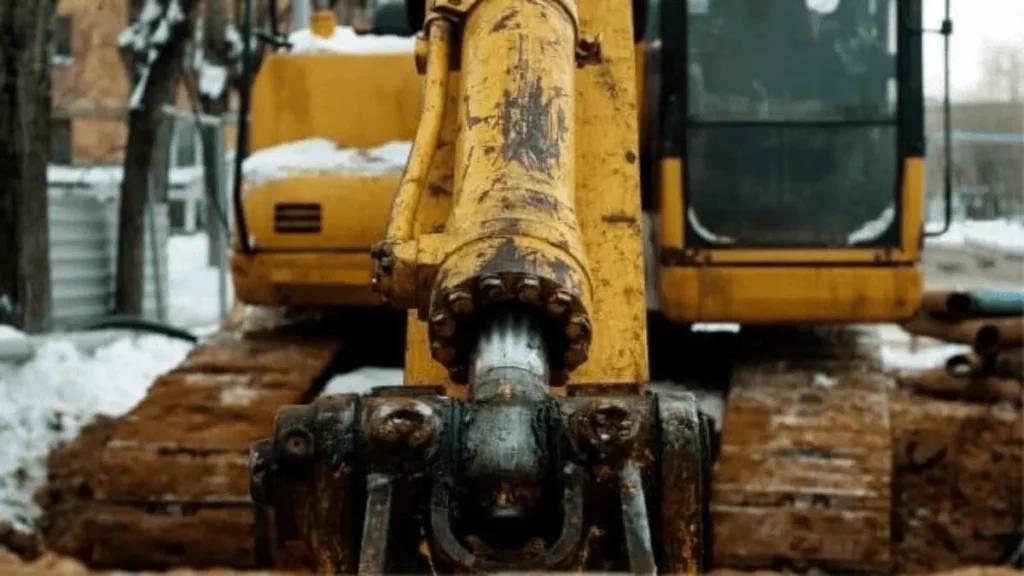
Cylinder Failures
Causes
Hydraulic cylinders may fail due to:
- Seal wear
- Rod misalignment
- Corrosion or pitting
- Overloading
Symptoms
- Oil leakage around the rod
- Reduced lifting or crowd force
- Drifting loads
- Scored or damaged piston rods
Prevention
- Inspect cylinder rods for damage.
- Replace seals at recommended intervals.
- Avoid side loading and overloading.
- Keep rods clean to prevent contamination.
Preventive Maintenance Checklist
To minimize hydraulic failures, operators and maintenance teams should follow this routine checklist:
| Maintenance Task | Recommended Frequency |
|---|---|
| Check hydraulic oil level | Daily |
| Inspect hoses and fittings | Weekly |
| Replace filters | Every 500–1000 hours |
| Conduct oil analysis | Every 1000 hours |
| Clean cooling system | Monthly |
| Inspect pumps and valves | Quarterly |
Importance for Used Rotary Drilling Rigs and Crawler Cranes
Hydraulic reliability is especially critical for used construction equipment. When purchasing a second-hand rotary drilling rig or crawler crane, evaluating the condition of the hydraulic system can significantly reduce operational risks and maintenance costs.
Sourcing machinery from reputable suppliers, such as Maxtop Machinery, ensures that equipment undergoes thorough inspection and refurbishment, providing contractors with dependable performance in demanding construction environments.
Conclusion
Hydraulic systems are essential to the safe and efficient operation of rotary drilling rigs and crawler cranes. Most failures—such as contamination, leakage, overheating, and pump damage—can be prevented through proactive maintenance and proper operational practices.
By understanding these common issues and implementing preventive strategies, contractors can extend equipment lifespan, reduce downtime, and maximize return on investment. Investing in well-maintained machinery and reliable suppliers ultimately leads to safer and more efficient construction projects.
FAQ:
The most common cause is hydraulic oil contamination. Dirt, water, and metal particles can damage pumps, valves, and cylinders, leading to reduced efficiency and premature wear.
Typical warning signs include:
Unusual noise or vibration
Slow or erratic machine movement
Oil leaks
Overheating
Reduced pressure or power
Early detection helps prevent major breakdowns.
Hydraulic filters are usually replaced every 500–1000 working hours, while oil replacement depends on usage conditions but is typically done every 1000–2000 hours or based on oil analysis results.
Overheating is commonly caused by:
Continuous heavy operation
Low oil levels
Poor cooling system performance
Internal leakage
Incorrect oil viscosity
Maintaining proper cooling and oil quality is key to prevention.
Hydraulic systems are the core of machine performance. Poor hydraulic condition can lead to high repair costs and downtime. Buying from trusted suppliers like Maxtop Machinery helps ensure the equipment has been properly inspected and maintained.