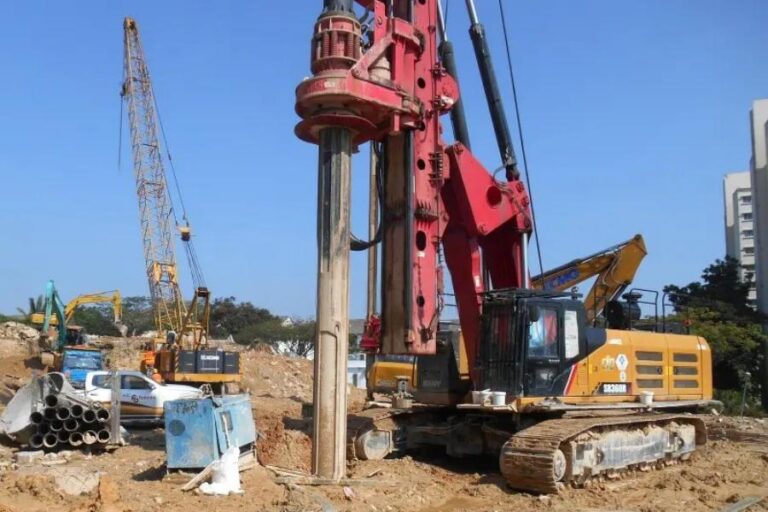

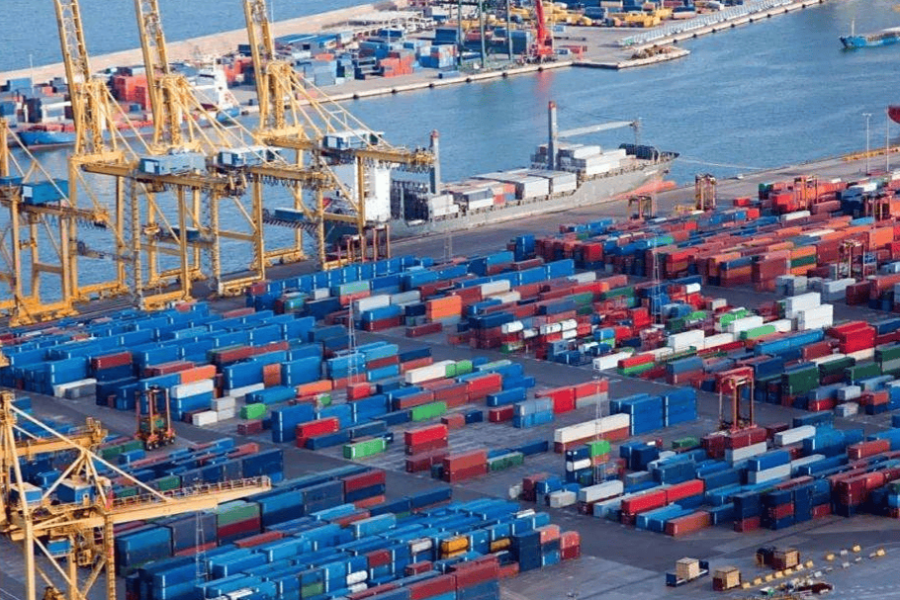
Global shipping costs for used construction equipment are closely tied to geopolitical developments in the Middle East. Recent tensions in the region, especially involving Iran, Israel, and the United States, have once again drawn attention to one of the world’s most critical trade routes — the Strait of Hormuz.
For exporters and buyers of used rotary drilling rigs, crawler cranes, excavators, and other heavy machinery, instability in this area can directly impact freight rates, delivery schedules, and overall logistics costs.
Why the Strait of Hormuz Matters
The Strait of Hormuz is one of the most important maritime chokepoints in the world, linking the Persian Gulf with the Arabian Sea. A large share of global oil exports and commercial cargo passes through this narrow waterway every day.
If traffic through the Strait is disrupted, even temporarily, the effects can quickly spread across global shipping markets.
For heavy equipment exporters, this route is especially important for shipments to:
- United Arab Emirates
- Saudi Arabia
- Qatar
- Oman
- Kuwait
- East Africa
- South Asia
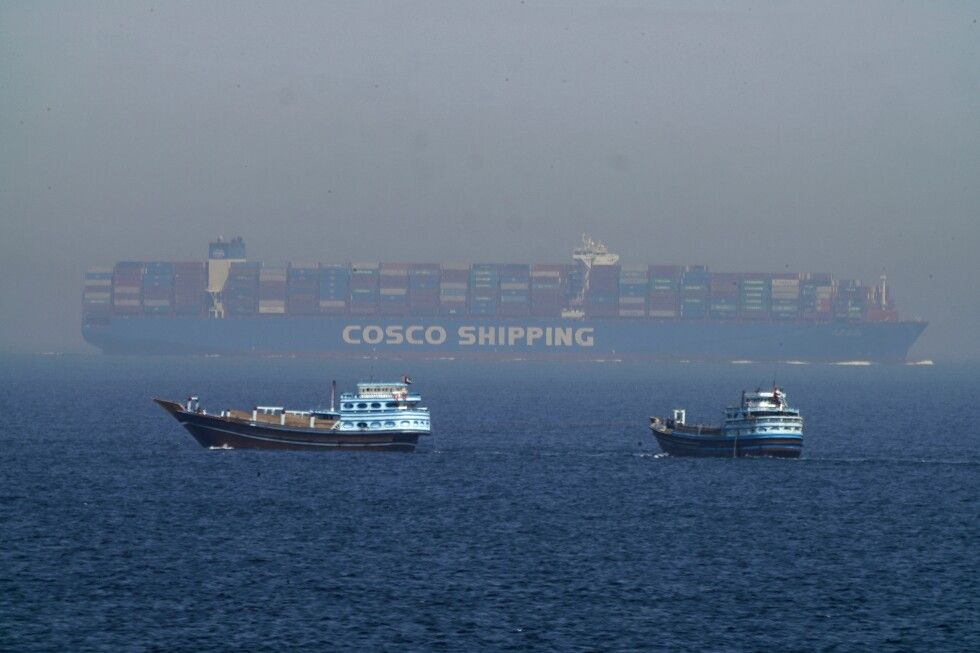
How Current Middle East Tensions Affect Shipping Costs
1. Rising Fuel Prices
Political conflict often causes uncertainty in oil markets. When crude oil prices rise, vessel fuel costs also increase, leading carriers to raise ocean freight rates.
For oversized used equipment, higher bunker fuel surcharges can significantly increase total shipping expenses.
2. War Risk Insurance Charges
When vessels sail through areas considered high-risk, insurers may charge additional premiums. Shipping companies usually pass these costs on to exporters and importers.
This is especially relevant for break bulk, Ro-Ro, and project cargo carrying used machinery.
3. Longer Shipping Routes
If security risks increase near the Strait of Hormuz, some vessels may choose alternative routes or delays before entering the region.
This can result in:
- Longer transit times
- Higher fuel consumption
- Port rescheduling
- Increased freight rates
4. Port Congestion and Vessel Shortages
When routes become uncertain, many shipping lines adjust schedules. This can reduce available vessel space for heavy cargo and create congestion at safer regional ports such as Dubai, Oman, or other transshipment hubs.
For exporters of drilling rigs and crawler cranes, booking lead times may become longer.
Impact on Used Equipment Buyers
For buyers importing used machinery, these cost increases may lead to:
- Higher landed equipment cost
- Delayed project start dates
- Reduced profit margins
- More focus on budget-friendly used equipment options
As a result, many contractors shift from buying new machines to purchasing reliable used equipment.
Example: Used Rotary Drilling Rig Shipment
A used rotary drilling rig exported from China to the Middle East may require:
- Inland trucking to port
- Dismantling and loading
- Ocean freight
- Customs clearance
- Final delivery
If regional tensions rise, any of these steps can become more expensive or slower.
How Exporters Can Respond
Plan Shipments Early
Early booking helps secure vessel space before sudden rate increases.
Use Flexible Ports
Alternative ports in Oman or the UAE may offer better schedules depending on market conditions.
Work With Experienced Freight Partners
Professional logistics teams can reduce delays and control cost risk.
Offer Ready Stock Equipment
Buyers prefer machines that are already inspected and available for immediate shipment.
Long-Term Market Outlook
Although geopolitical tensions create short-term volatility, demand for used construction equipment remains strong across the Middle East, Africa, and developing markets. Infrastructure, oil & gas, and foundation projects continue to require drilling rigs and cranes.
Companies that adapt quickly to changing logistics conditions can still remain highly competitive.
Conclusion
The current Middle East situation and the importance of the Strait of Hormuz show how geopolitics can directly affect used equipment shipping costs. Rising fuel prices, insurance premiums, vessel delays, and route uncertainty all influence the final cost of importing machinery.
For buyers and exporters of used drilling rigs, crawler cranes, and heavy equipment, early planning and flexible logistics strategies are more important than ever.
The Strait of Hormuz is a key global shipping route. Any disruption can increase fuel prices, insurance premiums, and freight rates for used machinery shipments.
Regional conflict may reduce vessel availability, raise war-risk insurance charges, and cause route delays, all of which increase shipping costs.
Oversized machines such as used rotary drilling rigs, crawler cranes, excavators, and project cargo equipment are often most affected.
Buyers should book early, compare multiple ports, work with experienced suppliers, and confirm total landed cost before purchasing.
Yes. Despite short-term uncertainty, infrastructure, oil & gas, and foundation projects continue to create strong demand for used machinery.