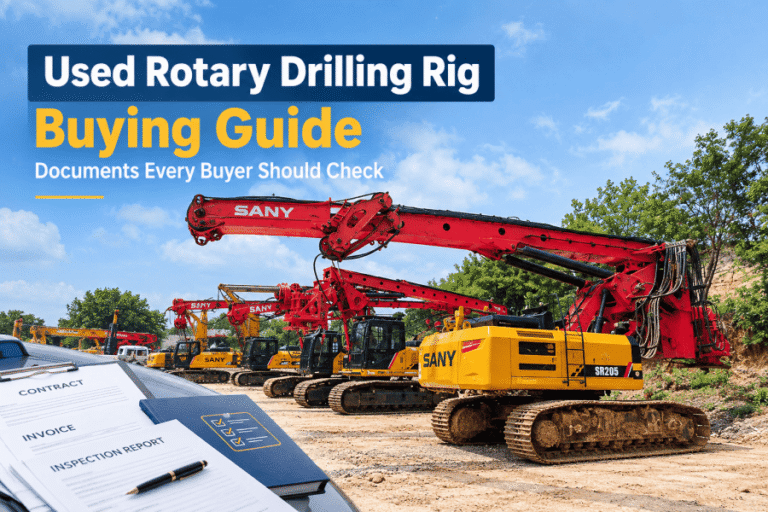

Importing used construction machinery can be a cost-effective solution for contractors and equipment dealers worldwide. Whether purchasing a used rotary drilling rig or a crawler crane, international buyers must carefully evaluate multiple factors to ensure a safe and profitable investment.
This guide outlines the key considerations buyers should understand before importing second-hand construction equipment.
Understand Import Regulations and Compliance
Before purchasing equipment, buyers must research the import regulations in their country. Different regions have specific requirements related to:
- Emission standards
- Equipment age restrictions
- Safety certifications
- Customs duties and taxes
Failure to comply with local regulations can result in delays, fines, or even shipment rejection. Always verify legal requirements with local authorities or a customs broker.
Some overseas clients have purchased used rotary drilling rigs from China, but after the machines arrived at the destination, they were found to be locked or immobilized by self-locking systems. This unexpected situation caused serious project delays and operational disruptions. In addition to affecting construction schedules, it also created trust issues between buyers and sellers, highlighting the importance of proper technical inspection, unlocking procedures, and clear communication before shipment.
Verify Equipment Condition and Inspection Reports
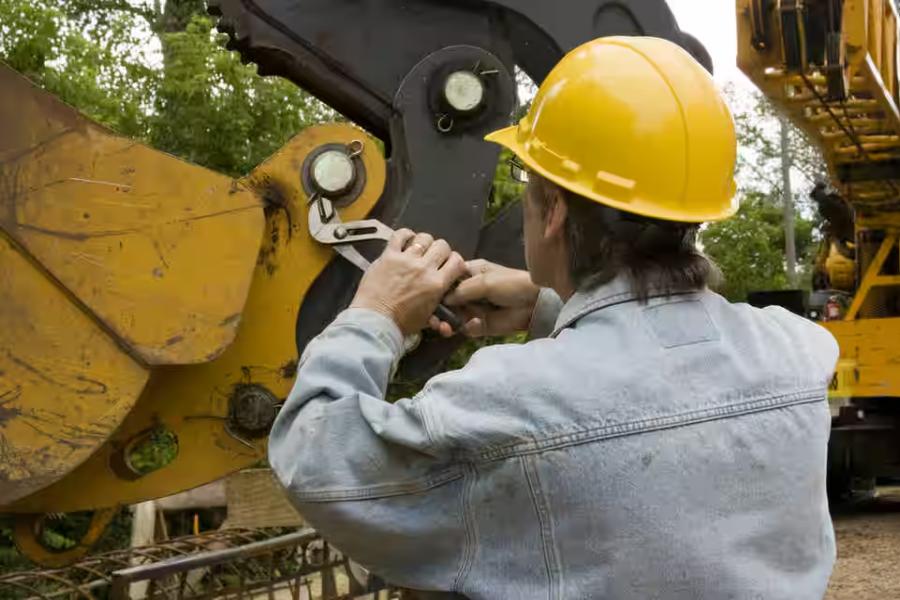
When buying used machinery, condition is everything. A professional inspection should always be conducted before purchase.
Key inspection points include:
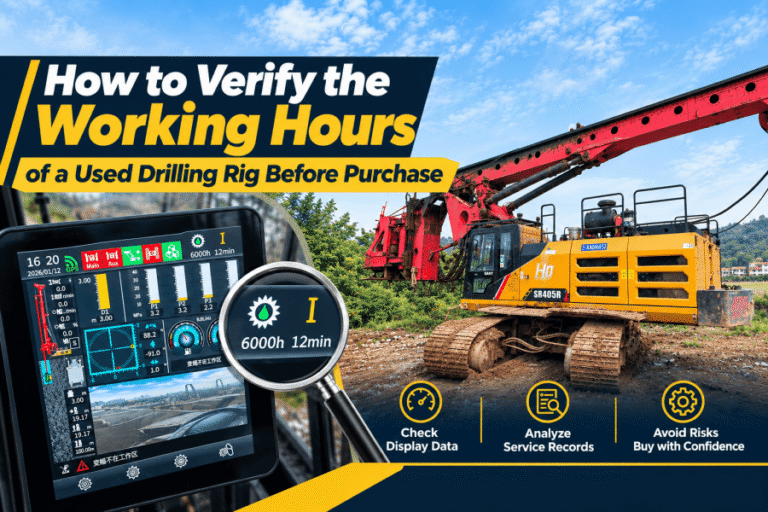
- Engine performance and operating hours
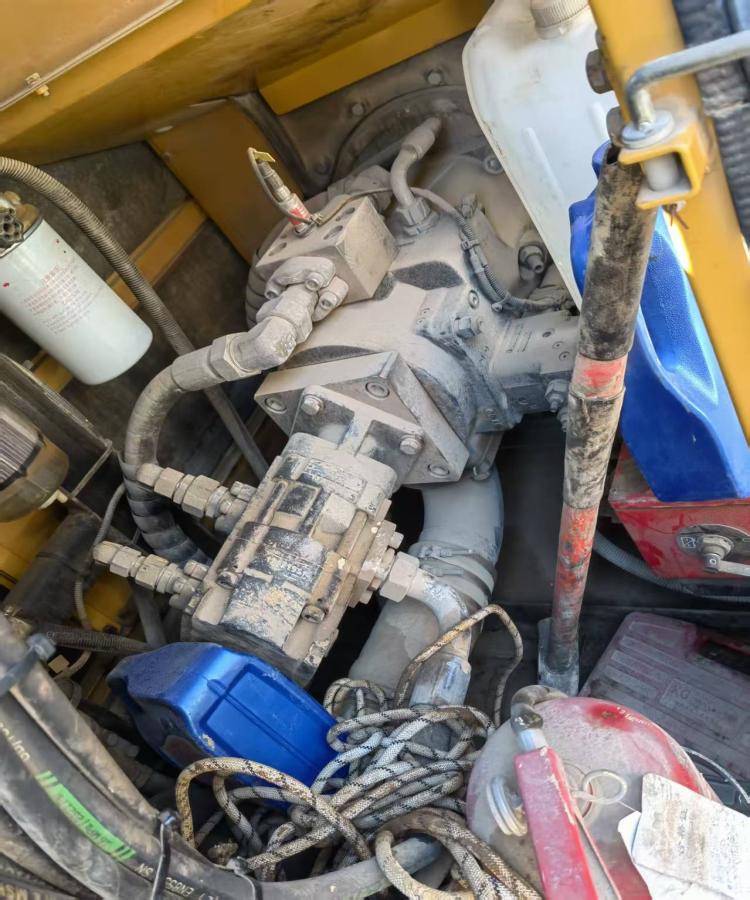
- Hydraulic system condition
- Structural integrity (boom, mast, chassis)
- Wear parts and key components
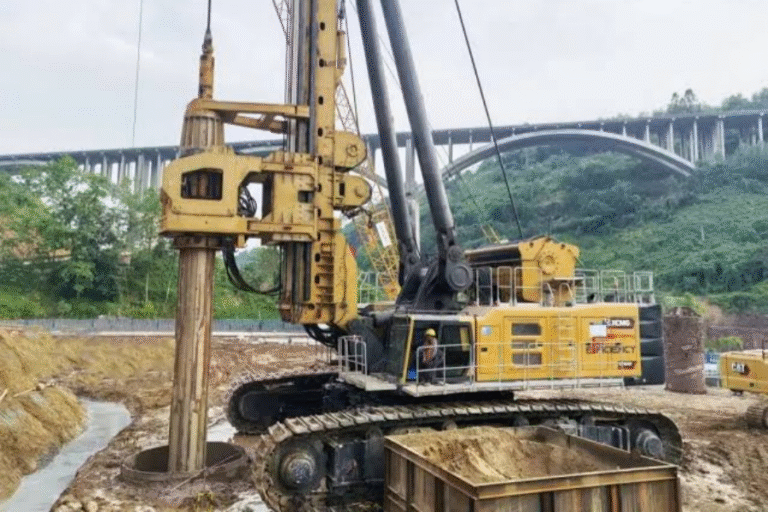
For equipment like rotary drilling rigs, components such as the Kelly bar, rotary drive, and drilling tools should be carefully checked.
Request detailed:
- Inspection reports
- Maintenance records
- Operation history
Check Equipment Specifications and Compatibility
Make sure the equipment matches your project requirements.
Important factors include:
- Drilling depth and torque (for drilling rigs)
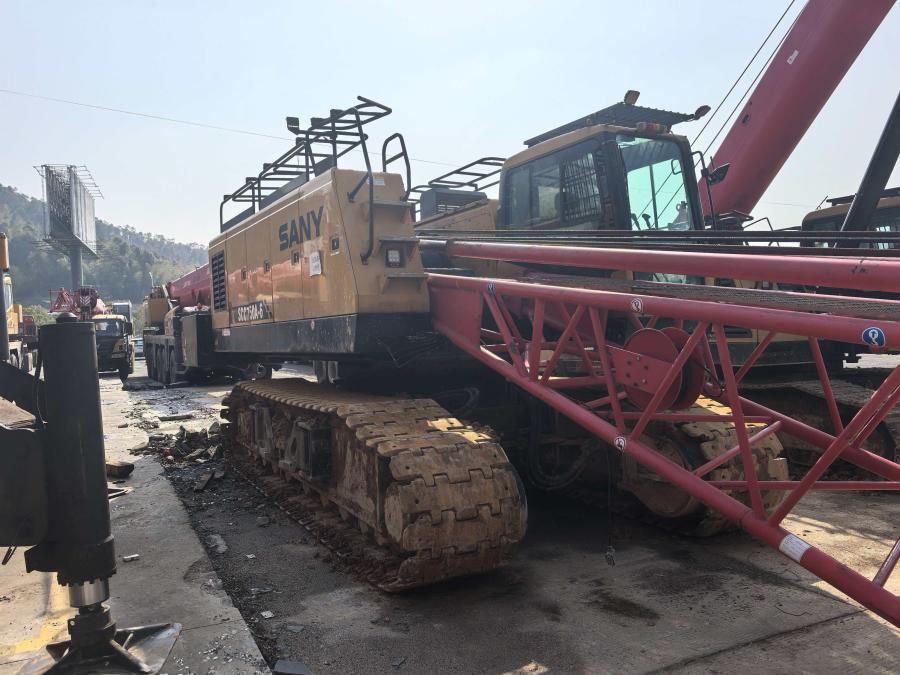
- Lifting capacity for crawler cranes
- Machine weight and transport dimensions
- Compatibility with local attachments and tools
Choosing the wrong specifications can lead to reduced efficiency and increased operational costs.
Evaluate Supplier Credibility
Selecting a reliable supplier is critical in international trade.
Before placing an order:
- Verify company background
- Check export experience
- Request real equipment photos and videos
- Confirm business licenses and certifications
Working with experienced exporters reduces risks related to miscommunication, delays, or equipment discrepancies.
Understand Logistics and Shipping Options
Transportation is a major part of importing heavy machinery.
Common shipping methods include:
- Container shipping
- Roll-on/Roll-off (Ro-Ro)
- Flat rack transport
Buyers should consider:
- Freight costs
- Port handling charges
- Delivery timelines
- Insurance coverage
Proper logistics planning helps avoid unexpected costs and delays.
Calculate Total Cost of Ownership
The purchase price is only part of the total investment.
Buyers should also consider:
- Import duties and taxes
- Shipping and handling costs
- Maintenance and spare parts
- Local transportation
A full cost analysis ensures better financial planning and avoids budget overruns.
Ensure Spare Parts and After-Sales Support
Reliable after-sales support is essential for long-term operation.
Before purchasing, confirm:
- Availability of spare parts
- Technical support from the supplier
- Maintenance guidance
- Operator training if needed
Machines from well-known manufacturers typically have better global parts availability and service networks.
Consider Equipment Age and Working Hours
Age and usage directly impact machine performance and resale value.
General guidelines:
- Lower working hours usually indicate less wear
- Well-maintained older machines can still perform efficiently
- Avoid heavily used equipment without clear maintenance records
Balancing age, condition, and price is key to making a smart purchase.
Conclusion
Importing used construction machinery requires careful planning, technical evaluation, and reliable suppliers. By understanding regulations, inspecting equipment thoroughly, and calculating total costs, international buyers can minimize risks and maximize investment returns.
With the right approach, used machinery can deliver excellent performance at a competitive cost, making it an ideal solution for contractors in growing construction markets.
FAQ
Yes, as long as buyers verify supplier credibility, inspect equipment thoroughly, and comply with import regulations.
Typical documents include a commercial invoice, packing list, bill of lading, and inspection certificates.
Ro-Ro and flat rack shipping are commonly used for large machinery, depending on size and budget.
Work with reliable suppliers, request inspection reports, and use secure payment methods.
In addition to the purchase price, shipping, duties, and maintenance costs are major expenses.