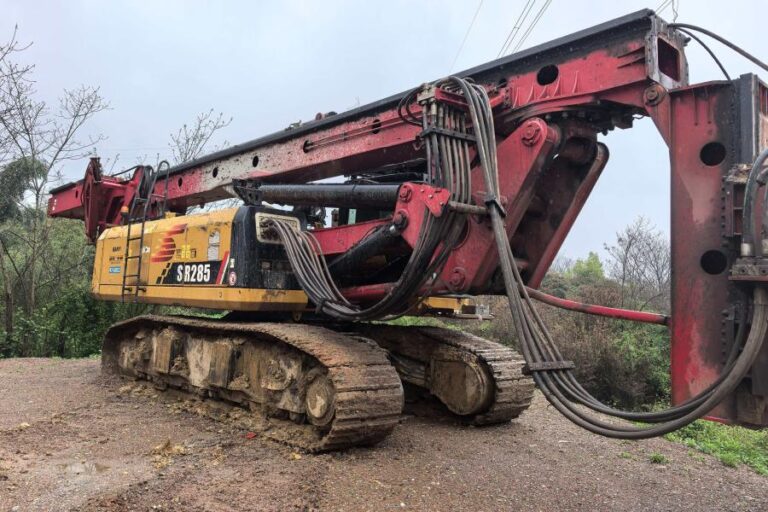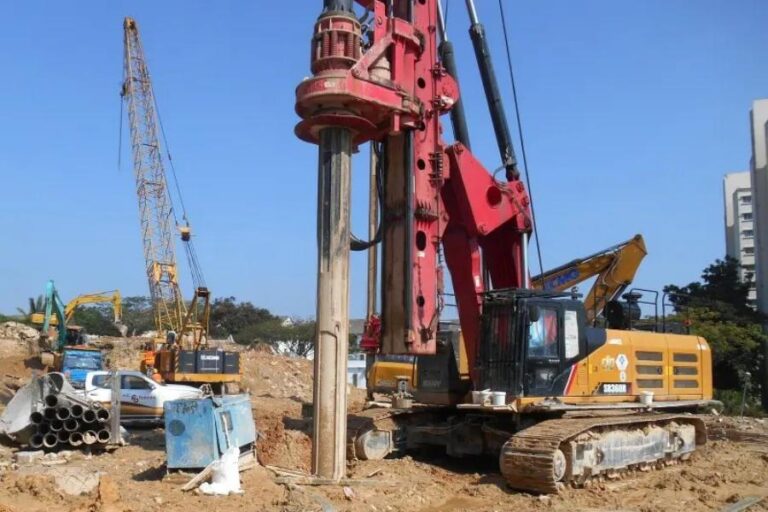
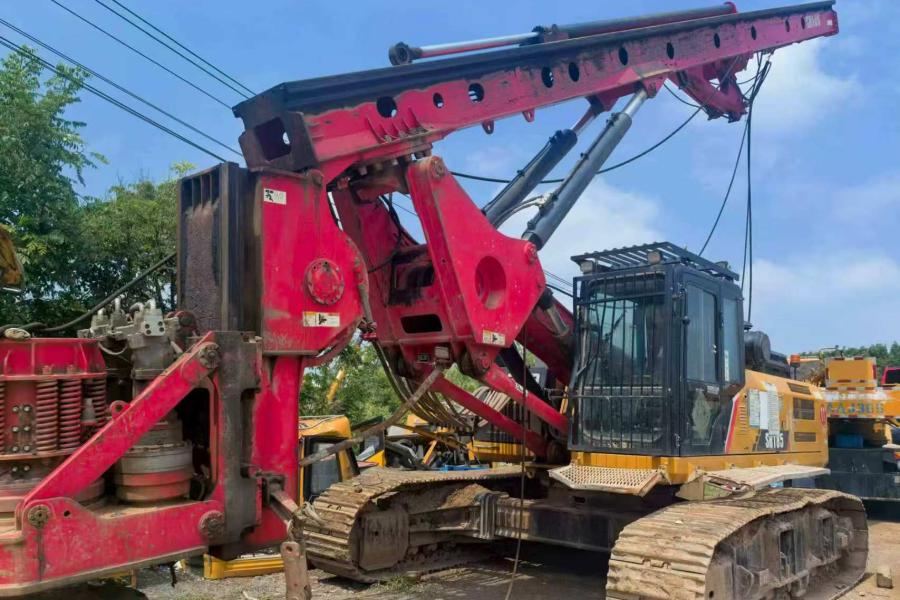
When evaluating a used rotary drilling rig, buyers should look beyond the engine, hydraulic system, and operating hours. The mast and main frame are critical structural components that support drilling operations, transmit working loads, and maintain equipment alignment.
Structural damage, previous repairs, or excessive deformation can affect drilling accuracy, operational reliability, and future repair costs. A careful inspection of these components helps buyers assess the machine’s actual condition before purchase.
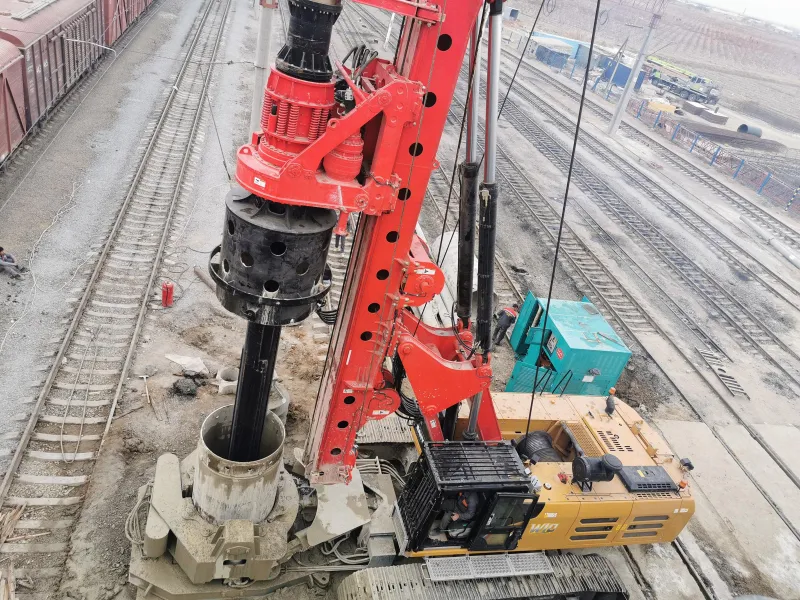
Inspect the Mast for Deformation and Structural Damage
The mast supports the Kelly bar assembly and drilling system during operation. It is exposed to repeated loads, vibration, and bending forces throughout the drilling process.
During inspection, pay attention to the following areas:
- Straightness and alignment: Look for visible bending, twisting, or uneven alignment along the mast. Any suspected deformation should be checked using appropriate measuring equipment.
- Welded joints: Examine welds around structural connections, reinforcement plates, and mounting points for cracks, separation, or signs of previous repairs.
- Steel surfaces: Check for deep corrosion, dents, and localized material loss, especially around highly loaded sections.
- Guide and connection areas: Inspect Kelly bar guides, mounting brackets, and other contact areas for excessive wear or looseness.
Surface scratches and paint deterioration do not necessarily indicate structural failure. However, significant deformation, cracked welds, or unexplained reinforcement plates require further technical assessment.
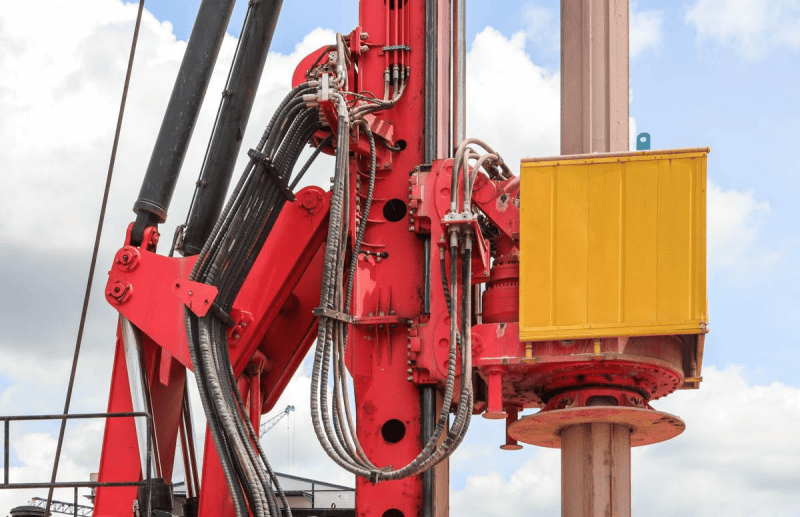
Check the Main Frame and Load-Bearing Connections
The main frame supports the rotary drilling rig’s major assemblies and transfers operational loads to the undercarriage. Damage in this area can affect the machine’s structural stability and component alignment.
Inspect the following points:
- Frame members: Look for cracks, bending, buckling, and unusual changes in the shape of load-bearing steel sections.
- Mast mounting points: Examine the mast base, pivot connections, support brackets, and associated welds for cracking or distortion.
- Rotary drive mounting structure: Check the mounting area for looseness, damaged fasteners, and evidence of movement between connected components.
- Reinforcement and repair marks: Identify additional plates, non-original welds, and areas with recently applied paint that may conceal earlier damage.
Where repairs are identified, request details of the repair method and supporting inspection records. Critical structural repairs should be evaluated by a qualified technician before the machine is accepted.
Examine Pins, Bushings, and Connection Points
Structural condition depends not only on the steel frame but also on the integrity of its mechanical connections.
Mast pivots, connecting pins, bushings, and mounting brackets may develop clearance through repeated loading and movement. Excessive play can affect alignment and increase stress on surrounding structures.
During inspection, check for:
- Abnormal clearance between pins and bushings.
- Oval-shaped pin holes or visibly worn contact surfaces.
- Damaged retaining devices and loose fasteners.
- Cracks around pin housings and connection brackets.
- Unusual movement when the mast is raised, lowered, or positioned.
If excessive play is suspected, measure the clearance and compare it with the manufacturer’s service limits for the specific model. Visual inspection alone cannot establish whether a connection meets its required tolerances.
Verify Mast Alignment During Equipment Inspection
A mast that appears straight when the machine is parked may still have alignment problems. Buyers should evaluate the mast’s position relative to the machine’s design specifications.
A practical inspection may include:
- Positioning the rig on a suitable, level working surface.
- Checking the mast visually for twisting, bending, or uneven geometry.
- Measuring mast alignment with appropriate surveying or alignment equipment.
- Comparing the results with the manufacturer’s allowable tolerances.
- Recording any deviations and arranging further inspection when necessary.
Operational checks should only be performed by qualified personnel under appropriate site and equipment safety procedures.
Mast alignment should not be judged solely by whether the machine can complete a drilling cycle. A rig may continue to operate despite structural deformation or an alignment issue.
Review Previous Structural Repairs and Inspection Records
A used rotary drilling rig may have undergone repairs during its working life. Repairs are not automatically a reason to reject a machine, but buyers should understand their location, purpose, and quality.
Request the following information where available:
- Previous structural repair reports.
- Maintenance and inspection records.
- Photographs taken before and after repairs.
- Details of replacement structural components.
- Records of non-destructive testing, such as magnetic particle or ultrasonic inspection, where appropriate.
Pay particular attention to repairs around mast sections, pivot brackets, load-bearing frame members, and major mounting connections.
If cracks have been repaired without adequate documentation, further evaluation by a qualified structural inspector may be necessary before purchase.
Use a Structured Inspection Checklist
A consistent inspection checklist makes it easier to compare different used rotary drilling rigs and document outstanding concerns.
| Inspection area | What to check | Recommended action if concerns are found |
|---|---|---|
| Mast structure | Bending, twisting, dents, corrosion | Measure and assess structural condition |
| Welds and joints | Cracks, separation, unusual reinforcement | Arrange qualified inspection and suitable testing |
| Main frame | Distortion, cracks, buckling | Request engineering assessment |
| Mast pivots | Pin wear, bushing clearance, damaged brackets | Measure clearances against service limits |
| Alignment | Mast geometry and position | Verify using appropriate measuring equipment |
| Repair history | Previous welding, replacements, repair records | Review documentation and repair quality |
The checklist should be supplemented by model-specific inspection requirements and the manufacturer’s service documentation.
How Structural Condition Affects a Used Rig Purchase
The condition of the mast and main frame should be considered alongside the machine’s model, age, operating hours, configuration, and maintenance history.
A used rotary drilling rig with documented repairs and verified structural integrity may remain a suitable option. Conversely, a machine with unexplained structural modifications or unresolved cracks may involve substantial repair costs and operational risks.
Before making a purchase decision, buyers should:
- Request clear photographs of the mast, frame, welds, and connection points.
- Review available maintenance and repair records.
- Confirm whether identified defects have been professionally assessed.
- Obtain an independent inspection when structural concerns cannot be resolved through documentation.
- Consider the cost and feasibility of necessary repairs before finalizing the purchase.
Final Considerations
Inspecting the mast and main frame is an important part of evaluating a used rotary drilling rig. Buyers should pay close attention to structural deformation, weld integrity, connection wear, alignment, and previous repairs rather than relying on appearance or operating hours alone.
A documented inspection, supported by model-specific service limits and qualified technical assessment, provides a stronger basis for comparing equipment condition and making an informed purchasing decision.
For contractors sourcing used rotary drilling rigs, Maxtop Machinery can provide equipment information and available inspection documentation for review before a purchase decision.
Frequently Asked Questions
Yes. Repairs may be acceptable depending on their location, cause, method, and quality. Critical load-bearing weld repairs should be evaluated by a qualified professional, with appropriate testing where required.
No. Visual appearance alone cannot confirm structural integrity. Hidden cracks, internal defects, worn connections, or alignment deviations may require measurements and specialized inspection.
Both are essential and should be assessed together. The mast supports the drilling assembly, while the main frame carries and transfers operational loads. A defect in either area may affect the machine’s performance and safety.
A third-party inspection is advisable when the equipment has extensive operating history, undocumented structural repairs, visible deformation, or other unresolved concerns. The inspection scope should match the machine’s configuration and intended application.