
When buying a used drilling rig, working hours are one of the first specifications buyers usually check. A drilling rig with fewer working hours may have less wear on its engine, hydraulic system, undercarriage and drilling components. However, the number shown on the hour meter should not be accepted without verification.
For international buyers, checking the working hours before purchasing a used drilling rig is particularly important because the machine may be located in another country and a physical inspection may not always be possible.
This guide explains how to verify the working hours of a used drilling rig and what other information buyers should check before making a purchase.
Why Working Hours Matter on a Used Drilling Rig
Working hours provide a general indication of how long a drilling rig has been in operation. They can help buyers compare machines of the same model and estimate potential maintenance requirements.
For example, two used rotary drilling rigs of the same model may have significantly different values if one has operated for 3,000 hours and another for 9,000 hours.
However, working hours should not be considered the only factor when evaluating a used drilling rig.
A machine with higher working hours but good maintenance may be a better purchase than a machine with fewer displayed hours and poor maintenance history.
Therefore, buyers should consider:
- Working hours
- Manufacturing year
- Maintenance history
- Engine condition
- Hydraulic system condition
- Kelly bar condition
- Undercarriage wear
- Drilling tools and attachments
- Overall operating condition
Check the Hour Meter
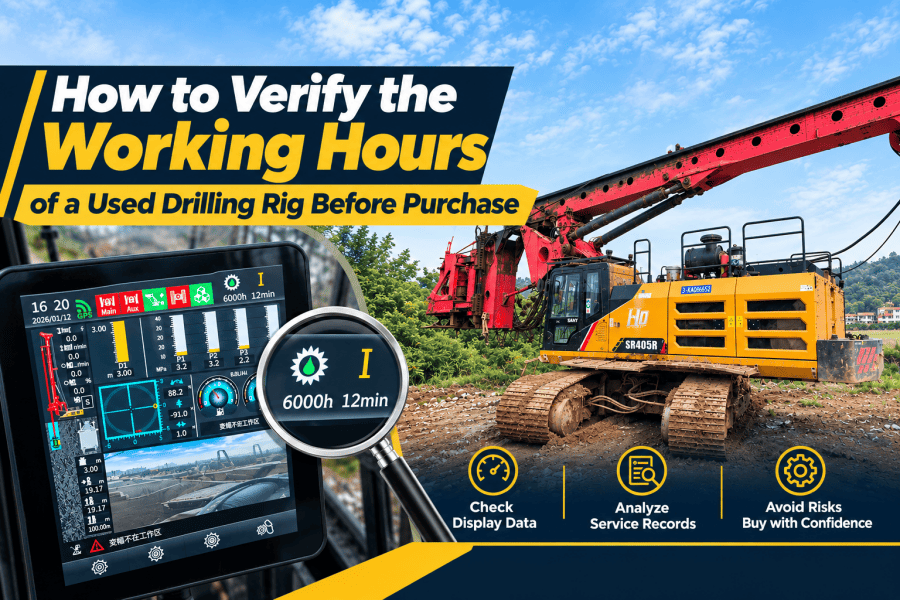
The first step is to check the hour meter on the drilling rig.
Ask the seller for clear photos or videos showing the hour meter and the machine’s identification information. The displayed hours should be consistent with the information provided in the equipment listing.
For example:
Year: 2020
Working Hours: 5,500 h
The seller should be able to provide a photo or video showing the hour meter reading.
However, the hour meter alone is not enough to confirm the actual operating history.
Compare the Hour Meter With Maintenance Records
Maintenance records are one of the most useful ways to verify working hours.
Ask the seller whether maintenance records are available and compare the recorded hours with the current hour meter.
For example:
| Maintenance Record | Recorded Hours |
|---|---|
| First service | 500 h |
| Hydraulic maintenance | 2,100 h |
| Engine service | 3,800 h |
| Latest service | 5,200 h |
| Current hour meter | 5,500 h |
A consistent increase in operating hours provides stronger evidence that the current reading is reliable.
If the maintenance records show 8,000 hours but the current hour meter shows only 5,000 hours, further investigation is necessary.
Check the Engine ECU Data
For some drilling rigs, engine operating information may also be available through the engine’s electronic control system.
Depending on the engine and machine configuration, diagnostic equipment may provide information such as:
- Engine operating hours
- Engine running time
- Fault codes
- Engine speed information
- Service information
This information can be compared with the machine’s hour meter.
However, the availability and accuracy of ECU operating-hour data depend on the engine model and electronic system. Buyers should ask the seller or a qualified technician to perform the inspection rather than relying on ECU data alone.
Check the Machine’s Maintenance History
A good maintenance history can help verify whether the displayed working hours are reasonable.
Ask for information about:
- Engine oil changes
- Hydraulic oil changes
- Hydraulic filter replacement
- Engine filter replacement
- Track maintenance
- Wire rope replacement
- Kelly bar maintenance
- Hydraulic component repairs
- Engine repairs
- Major component replacement
The frequency of maintenance should generally make sense compared with the displayed working hours.
For example, a machine showing 4,000 hours but having maintenance records indicating major components were replaced after 8,000 hours requires additional verification.
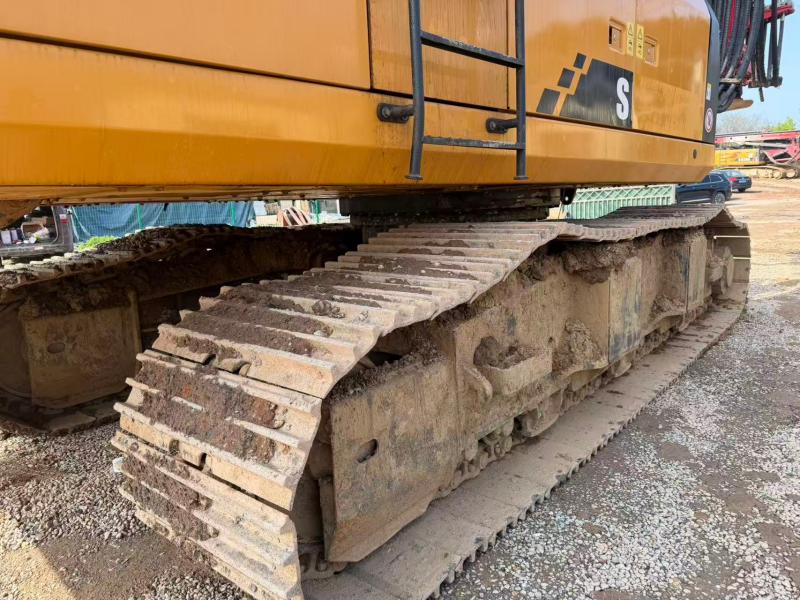
Inspect Wear on the Undercarriage
The physical condition of the drilling rig should be compared with the displayed working hours.
Pay particular attention to:
- Track shoes
- Track rollers
- Idlers
- Sprockets
- Track chains
- Swing components
- Lower frame
Heavy wear may indicate extensive operation, although working conditions can also have a major effect on component wear.
A machine working mainly on hard or abrasive ground may show more wear than another machine with the same number of hours working in softer conditions.
Therefore, undercarriage condition should be used as supporting evidence rather than as a precise method for calculating working hours.
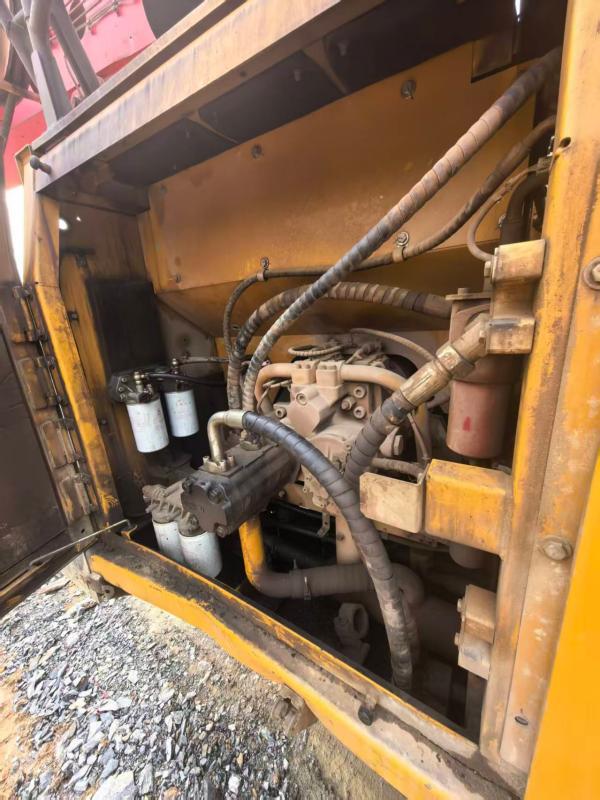
Inspect the Hydraulic System
The hydraulic system is another important area to check.
Look for:
- Hydraulic oil leaks
- Damaged hoses
- Worn hydraulic cylinders
- Unusual hydraulic noise
- Slow movement
- Pressure problems
- Oil contamination
A drilling rig that has been heavily used may show signs of wear in hydraulic components.
However, hydraulic condition depends heavily on maintenance quality, operating conditions and previous repairs, so it should be evaluated together with service records and operating-hour information.
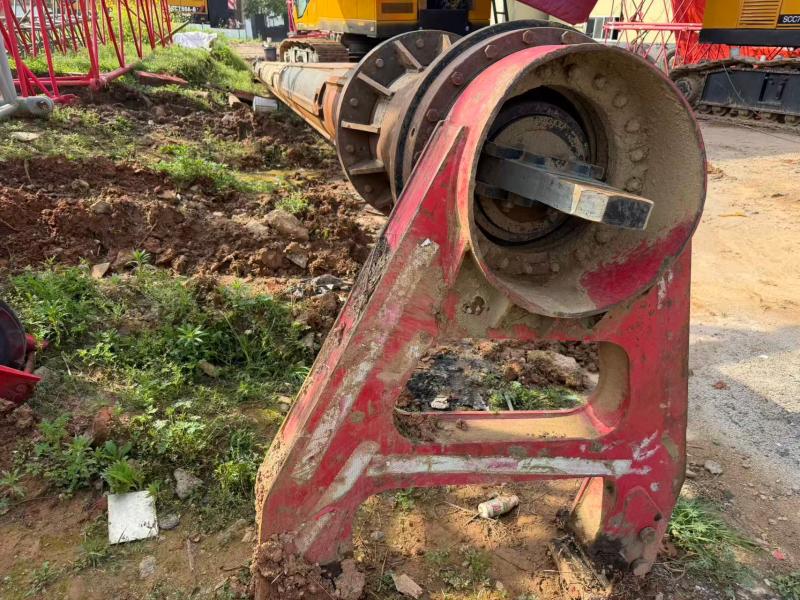
Check the Kelly Bar and Drilling Components
For a rotary drilling rig, the Kelly bar is an important component to inspect.
Check for:
- Visible wear
- Deformation
- Surface damage
- Excessive clearance
- Locking-system wear
- Condition of Kelly bar keys
The condition of the Kelly bar can provide useful information about the machine’s previous use.
The drilling tools should also be inspected, including:
- Drilling buckets
- Rock augers
- Core barrels
- Casings
- Casing shoes
- Bullet teeth and holders
Severe wear on these components does not automatically mean that the hour meter is inaccurate, but it can help buyers understand how intensively the machine has been used.
Check the Machine’s Electronic System
Modern drilling rigs may store operating or maintenance information in electronic control systems.
Depending on the model, buyers can ask for:
- Diagnostic reports
- Error-code history
- Service records
- Controller information
- Engine diagnostic information
When possible, these records should be compared with the hour meter and maintenance history.
Ask for a Video of the Machine Running
For overseas buyers, a running video can be particularly useful.
Ask the seller to record a continuous video showing:
- The machine identification plate
- The hour meter
- Engine startup
- Engine operation
- Hydraulic movements
- Main winch operation
- Rotary movement
- Kelly bar movement
- Other major functions
A video that shows the hour meter together with the machine operating can provide more useful evidence than a standalone hour-meter photo.
Request an Independent Inspection
For higher-value used drilling rigs, an independent inspection can provide additional confidence.
A qualified inspector can check:
- Actual machine condition
- Engine
- Hydraulic system
- Electrical system
- Undercarriage
- Rotary system
- Kelly bar
- Structural components
- Error codes
- Maintenance records
An inspection report can then be compared with the seller’s description and advertised working hours.
This is particularly useful when purchasing a used drilling rig from overseas.
What If the Working Hours Cannot Be Fully Verified?
Not every used drilling rig will have complete maintenance or operating records.
In this situation, buyers should not automatically assume that the hour-meter reading is incorrect. Instead, ask the seller to provide as much supporting information as possible.
Useful documents and evidence may include:
- Hour-meter photos
- Machine identification plate
- Maintenance records
- Service invoices
- Diagnostic reports
- Engine information
- Operating videos
- Previous inspection reports
- Detailed machine photos
The more independent pieces of information that agree with each other, the easier it is to evaluate the reliability of the displayed working hours.
A Simple Checklist for Buyers
Before purchasing a used drilling rig, ask the seller:
| Check | What to Verify |
|---|---|
| Hour meter | Current operating hours |
| Maintenance records | Previous recorded hours |
| Engine | Operating condition and service history |
| ECU | Available diagnostic operating data |
| Hydraulic system | Leaks, pressure and component condition |
| Undercarriage | Wear and maintenance |
| Kelly bar | Wear and deformation |
| Drilling tools | Previous use and condition |
| Machine video | Actual operating condition |
| Inspection | Independent inspection if required |
Working Hours Are Only One Part of the Evaluation
The displayed working hours are important, but they should never be the only factor used to evaluate a used drilling rig.
A well-maintained drilling rig with 7,000 working hours may provide better value than a poorly maintained machine showing 4,000 hours.
For this reason, buyers should evaluate the working hours, maintenance history, machine condition and previous usage together.
For overseas purchases, requesting detailed photos, videos, maintenance information and an independent inspection can significantly reduce purchasing risks.
Used Drilling Rigs from MaxTop Machinery
MaxTop Machinery supplies used rotary drilling rigs and foundation equipment for customers in international markets. Available machines may include used SANY drilling rigs and other major brands.
For each machine, buyers can request detailed specifications, working hours, photos, videos and machine condition information before purchase.
If you are looking for a used drilling rig for sale, contact MaxTop Machinery to check current availability and receive more information about available machines.
FAQ
Yes, hour-meter readings can potentially be altered or replaced. Buyers should compare the displayed hours with maintenance records and other available operating data.
Check the hour meter and compare its reading with maintenance records, service invoices, ECU data and the machine’s overall condition.
Ask for maintenance records, service invoices, diagnostic reports, engine information, hour-meter photos and previous inspection reports.
No. Working hours are only one factor. Maintenance history, engine condition, hydraulic system, Kelly bar and undercarriage condition should also be considered.
Yes. For a high-value used drilling rig, an independent inspection can help verify the machine’s condition and identify potential mechanical or hydraulic problems before purchase.