
Buying a used crawler crane can be a cost-effective solution for construction companies, lifting contractors, and equipment rental businesses. Compared with purchasing a brand-new machine, used crawler cranes often require a much lower investment while still offering reliable lifting performance.
However, crawler cranes are complex and high-value machines. Without proper inspection, buyers may face unexpected repair costs, safety risks, or operational downtime. Before purchasing a used crawler crane, it is essential to carefully evaluate the machine’s condition, history, and documentation.
Define Your Project Requirements First
Before inspecting a machine, the first step is to clearly understand your project needs.
Determine the Required Lifting Capacity
Crawler cranes come in many capacity ranges, from 50 tons to more than 800 tons. Selecting the right capacity depends on:
- Maximum lifting weight
- Working radius
- Required lifting height
- Site conditions
Choosing an oversized crane may increase transportation and operating costs, while an undersized machine may not meet project requirements.
Consider the Working Environment
The working environment also influences crane selection. For example:
- Infrastructure construction may require medium-capacity cranes
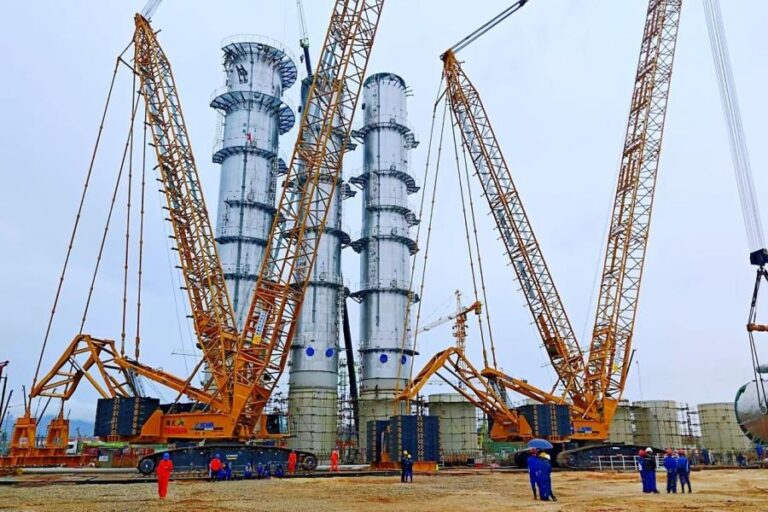
- Wind power installation often requires large cranes with long boom configurations
- Bridge construction may require cranes with high lifting height and strong stability
Understanding these factors helps narrow down the appropriate crane models.
Choose Reliable Brands
Brand reputation plays an important role when purchasing used construction equipment. Well-known manufacturers usually offer better durability, easier maintenance, and stronger resale value.
Common crawler crane brands include:
- XCMG
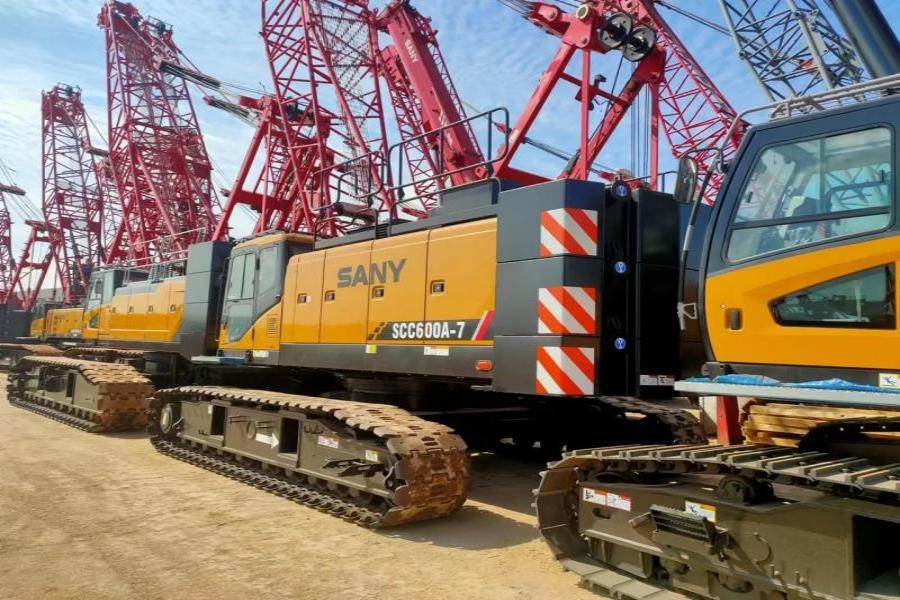
- SANY
- Zoomlion
- Liebherr
- Manitowoc
Machines from established manufacturers typically have better parts availability, global service support, and proven reliability, which can significantly reduce long-term maintenance costs.
Inspect the Structural Components
The structural parts of a crawler crane carry most of the lifting load. Any damage or deformation may seriously affect safety and performance.
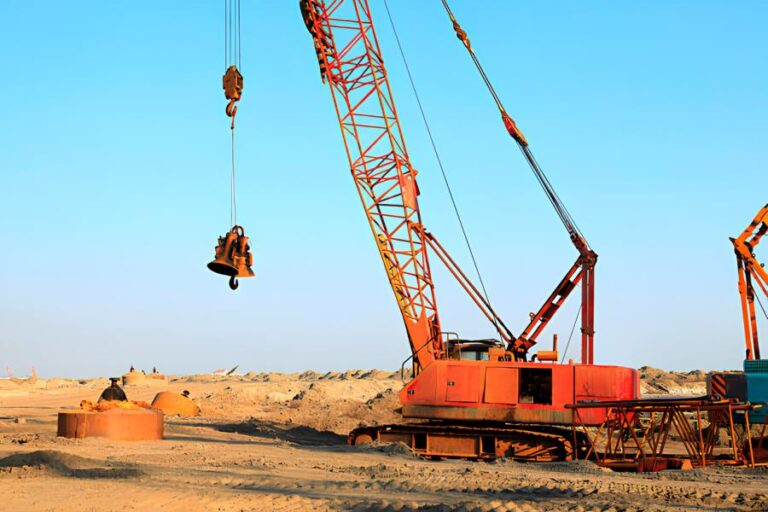
Boom and Jib Condition
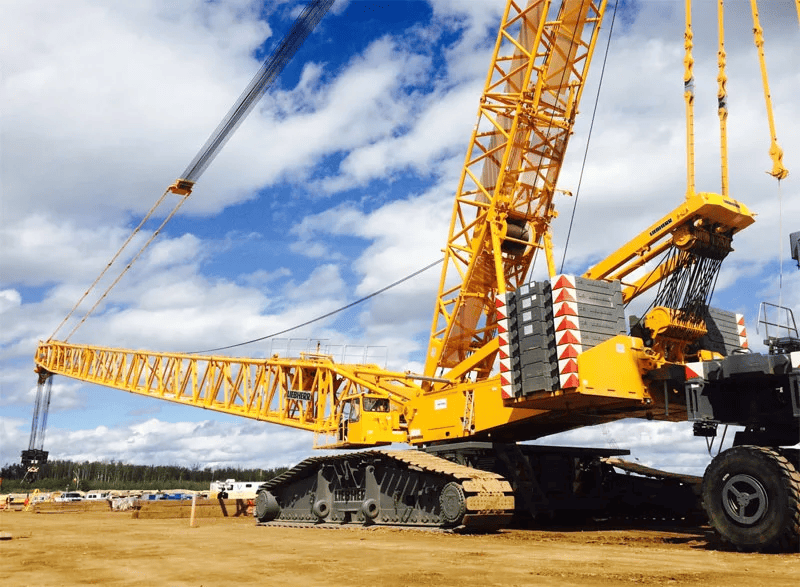
Carefully inspect the main boom and jib sections for:
- Cracks or structural damage
- Signs of previous welding repairs
- Bending or deformation
- Severe corrosion
Unauthorized or poor-quality weld repairs may indicate previous accidents or structural stress.
Chassis and Frame
The crane’s main frame and chassis structure should also be examined. Look for:
- Structural cracks
- Bent frame components
- Rust damage
- Signs of heavy impact
A strong and undamaged structure is essential for safe lifting operations.
Check the Undercarriage
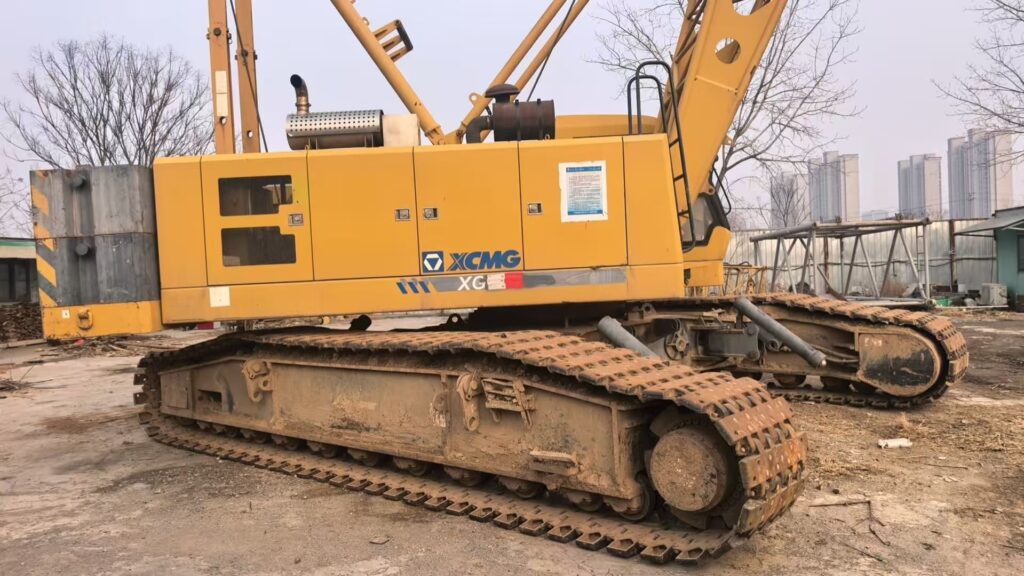
The undercarriage is one of the highest wear components in crawler cranes because it constantly supports the machine’s weight and movement.
Key parts to inspect include:
- Track shoes
- Track pins and bushings
- Rollers
- Idlers
- Drive sprockets
Excessive wear on these components may require expensive replacement. Buyers should also check whether the travel motors operate smoothly and whether the tracks move evenly during operation.
Evaluate the Hydraulic System
Crawler cranes rely heavily on hydraulic systems for functions such as hoisting, boom lifting, and swing operations.
When inspecting the hydraulic system, check for:
- Oil leaks in hoses, cylinders, and fittings
- Slow or jerky movement during operation
- Unusual noises from pumps or valves
- Hydraulic oil color and contamination
Clean hydraulic oil and smooth operation usually indicate that the system has been properly maintained.
Inspect the Engine and Mechanical Systems
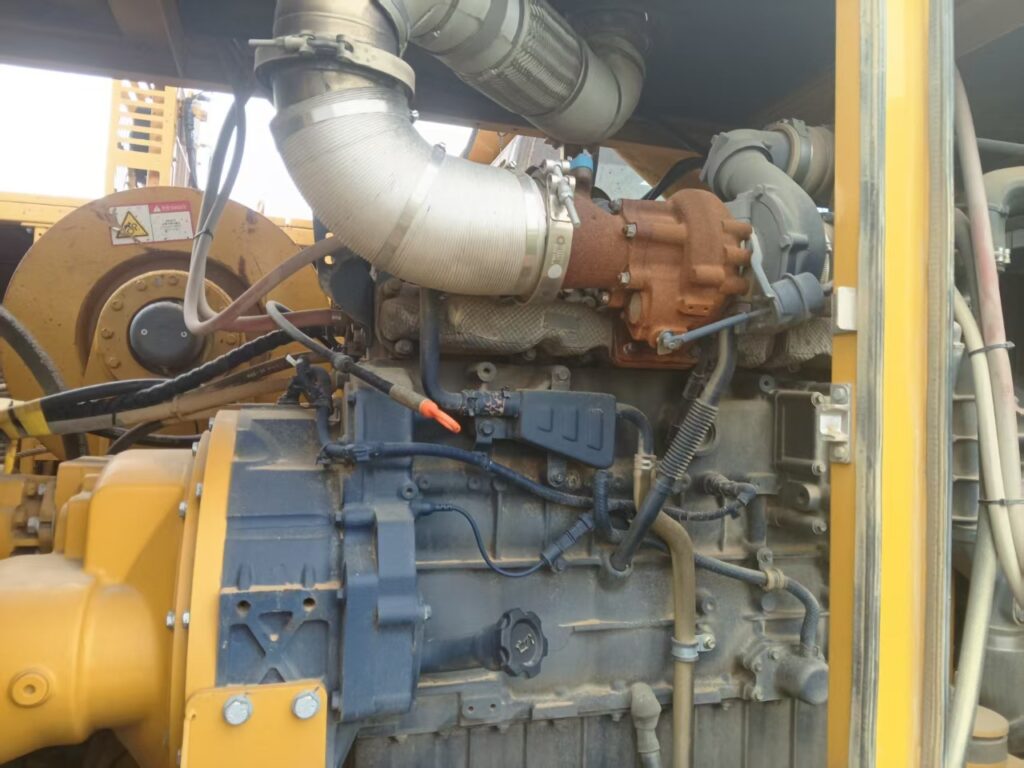
The engine provides the primary power source for the crane. A careful inspection can reveal potential mechanical issues.
Key points to check include:
- Oil leaks around the engine
- Abnormal engine noise or vibration
- Exhaust smoke color
- Engine oil condition and service records
The engine should run smoothly without excessive smoke or abnormal sounds. Maintenance history can also provide valuable insight into the machine’s overall condition.
Examine the Slewing Ring and Rotation System
The slewing ring (swing bearing) allows the crane to rotate during lifting operations. Because it carries large loads, it must be in good condition.
Check for:
- Excessive play or movement in the swing bearing
- Abnormal noise during rotation
- Uneven or rough rotation
Replacing a worn slewing ring can be very expensive, so this component deserves special attention during inspection.
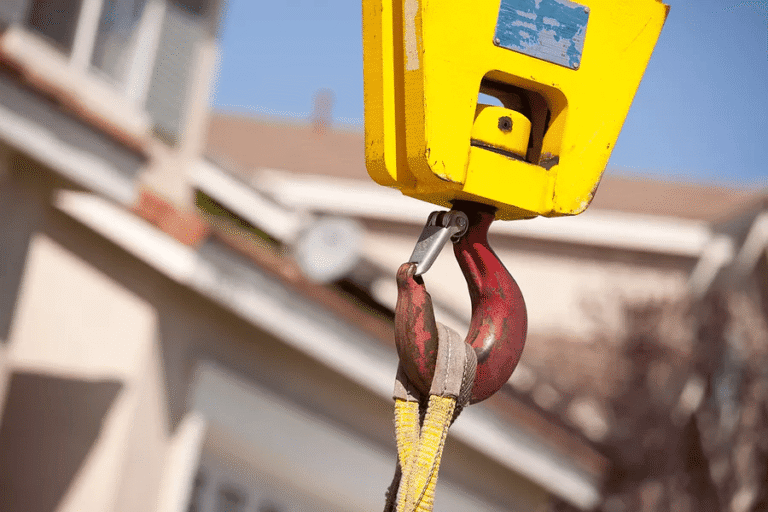
Inspect Wire Ropes, Hooks, and Sheaves
Lifting components such as wire ropes, hooks, and pulley systems are critical for safe operation.
Inspect the wire ropes for:
- Broken wires
- Kinks or flattening
- Severe wear
Also examine the hook block and sheaves to ensure they rotate smoothly and show no major damage.
Damaged lifting components should be replaced before operation to avoid safety risks.
Check Machine Records and Documentation
Documentation can reveal important information about the crane’s history.
Important documents to verify include:
- Manufacturer’s nameplate and serial number
- Maintenance and service records
- Safety inspection certificates
- Repair history
The serial number should match official documents, confirming the crane’s origin and ownership history.
Buyers should also verify that the machine has not been involved in major accidents or structural repairs that could affect its safety.
Verify Operating Hours
The number of working hours is an important indicator of equipment usage.
Although hours alone do not fully determine a machine’s condition, extremely high hours may suggest:
- Higher component wear
- More frequent maintenance needs
- Shorter remaining service life
Comparing operating hours with the machine’s age and maintenance history can provide a more accurate evaluation.
Perform an Operational Test
A practical test is one of the most effective ways to evaluate a used crawler crane.
Function Test
Operate the crane and check all major functions:
- Hoisting
- Swing rotation
- Boom lifting
- Travel movement
All motions should operate smoothly and without abnormal noise.
Load Test
If possible, perform a test lift with an appropriate load. This helps evaluate:
- Lifting stability
- Hydraulic performance
- Overall machine responsiveness
A crane that performs well under load is more likely to operate reliably on job sites.
Evaluate the Seller’s Reputation
Purchasing equipment from a reputable supplier or dealer can greatly reduce risks.
Trusted sellers usually provide:
- Transparent machine information
- Inspection reports
- Maintenance records
- After-sales support
In many cases, professional equipment dealers or rental companies maintain their machines better than unknown private sellers.
Consider Hiring a Professional Inspector
Because crawler cranes are complex machines, it may be beneficial to hire an independent crane inspector or equipment expert to perform a detailed inspection before purchase.
Professional inspectors can identify hidden problems that may not be obvious during a basic visual inspection.
Conclusion
Buying a used crawler crane can significantly reduce equipment investment costs, but it requires careful evaluation. Key areas to inspect include:
- Structural components and boom sections
- Undercarriage condition
- Hydraulic and engine systems
- Slewing ring and lifting components
- Documentation and operating history
In addition, buyers should perform an operational test and verify the reliability of the equipment supplier.
By conducting a thorough inspection and selecting reputable brands, companies can reduce risks, control maintenance costs, and obtain a reliable crawler crane for their lifting projects.
FAQ
You should inspect the structural components, undercarriage condition, hydraulic system, engine performance, slewing ring, wire ropes, and maintenance records before purchasing a used crawler crane.
Crawler cranes with more than 15,000 working hours may require major maintenance or component replacement, depending on maintenance history and operating conditions.
The undercarriage supports the entire machine weight and affects travel performance. Worn tracks, rollers, or sprockets can lead to high repair costs.
Yes, a used crawler crane can be a reliable investment if it is properly inspected, well maintained, and purchased from a reputable supplier.
An operational test allows buyers to evaluate lifting performance, hydraulic response, swing rotation, and overall machine stability under real working conditions.