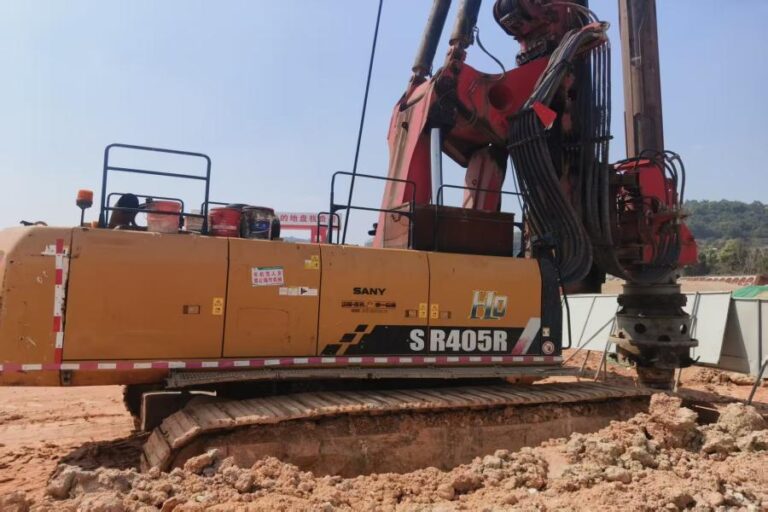

The boom is one of the most important structural components of a crane. It is the long arm that extends outward from the crane’s base and supports the lifting system, including the wire rope, sheaves (pulleys), and hook block. By adjusting the boom’s length and angle, a crane can control the lifting height and working radius, allowing it to handle loads in different positions.
In lifting operations, the boom plays a critical role in determining the lifting capacity, stability, and working range of the crane. A well-designed boom ensures that the load can be lifted safely and efficiently while maintaining structural strength under heavy stress.
Understanding the types of crane booms and how they function helps operators and engineers select the right crane configuration for different construction and industrial applications.
How a Crane Boom Works
The crane boom functions as the main structural arm that transfers lifting forces from the load to the crane’s body and supporting system. During operation, the crane’s hoisting mechanism pulls the wire rope through a series of pulleys mounted along the boom. The hook attached to the rope lifts the load while the boom maintains structural support.
The boom’s position can be adjusted in two main ways:
- Boom angle adjustment (luffing): Changing the boom angle increases or decreases the working radius.
- Boom extension or retraction: Some cranes can extend the boom length to reach greater heights or distances.
The interaction between the boom, counterweights, and the crane’s base ensures that the lifting operation remains stable even when handling heavy loads.
Types of Crane Booms Based on Structure
Different crane designs use different boom structures depending on lifting requirements and operating environments.
Box-Type Boom
A box-type boom is made from welded steel plates forming a closed rectangular structure. This design provides excellent resistance to bending and torsion, making it highly durable under heavy loads.
Box-type booms are commonly used in:
- Truck cranes
- All-terrain cranes
- Mobile cranes
They are favored for their high strength, compact structure, and efficient manufacturing process.
Truss Boom
A truss boom is constructed from steel tubes or structural sections welded into a lattice framework. This design significantly reduces weight while maintaining strong structural rigidity.
Truss booms are widely used in:
- Large crawler cranes
- Tower cranes
- Heavy lifting cranes
Because of their lightweight structure and high load-bearing capacity, truss booms are ideal for lifting heavy loads at significant heights.
Types of Crane Booms Based on Extension Mechanism
Crane booms can also be categorized according to how their length or configuration changes during operation.
Telescopic Boom
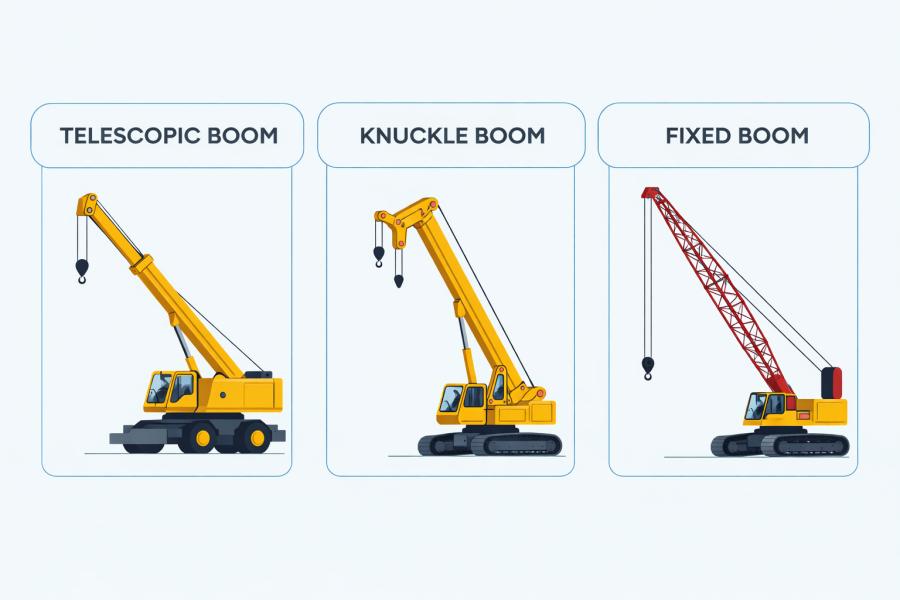
A telescopic boom consists of multiple sections that can extend and retract hydraulically. This allows the crane to quickly adjust its working height and radius.
Telescopic booms are commonly used in:
- Mobile cranes
- Truck cranes
- All-terrain cranes
Their flexibility makes them suitable for construction sites where frequent repositioning and variable lifting heights are required.
Knuckle Boom
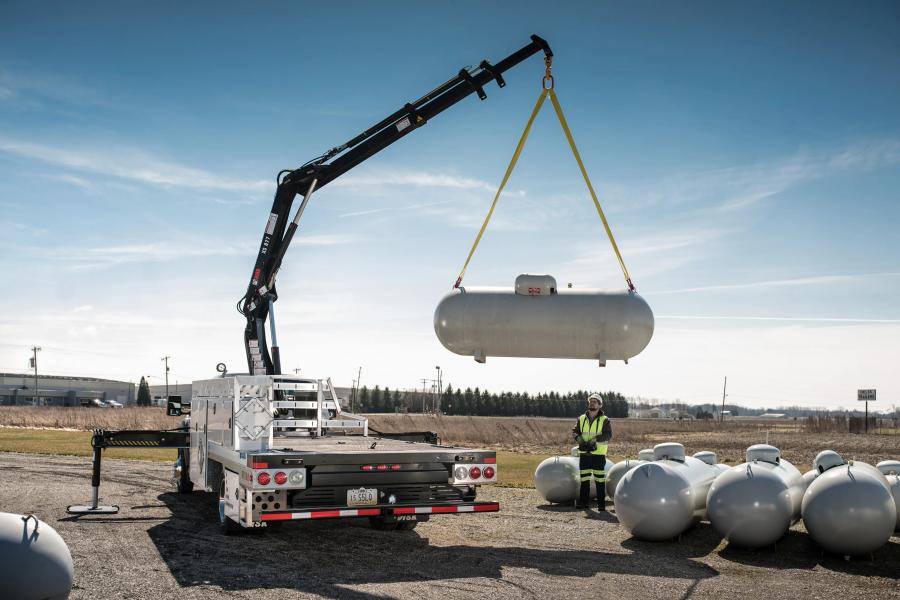
A knuckle boom is designed with several hinged sections that fold and unfold like an articulated arm. This design provides excellent maneuverability in confined spaces.
Knuckle booms are widely used on:
- Loader cranes (truck-mounted cranes)
- Port handling equipment
- Maintenance and logistics operations
Their ability to bend around obstacles and operate in restricted areas makes them very practical for urban and industrial environments.
Fixed Boom
A fixed boom has a constant length and cannot extend. Instead, the working radius is adjusted by changing the boom angle.
This type of boom is typically used in:
- Crawler cranes with lattice booms
- Certain tower cranes
Although less flexible than telescopic designs, fixed booms are often stronger and more stable for heavy lifting operations.
Main Components of a Crane Boom System
A crane boom usually works together with several other lifting components, forming a complete lifting system.
Main Boom
The main boom is the primary lifting arm of the crane and carries most of the load during operation.
Jib
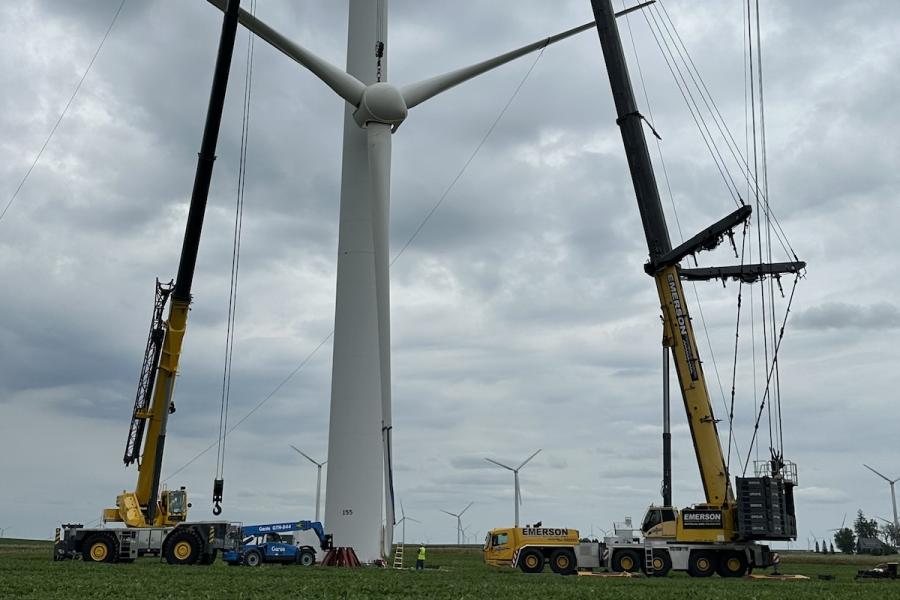
A jib is an additional boom section attached to the tip of the main boom. It extends the crane’s lifting height and working radius, allowing the crane to reach areas that the main boom alone cannot.
Jibs are often used in:
- Wind turbine installation
- High-rise construction
- Bridge building projects
Crane Boom Applications in Different Types of Cranes
Different cranes use boom systems designed for their specific applications.
Tower Cranes

Tower cranes usually feature horizontal jibs with trolley systems that move the load along the boom. Some tower cranes also use luffing jibs that can change angle to adjust working radius.
Crawler Cranes
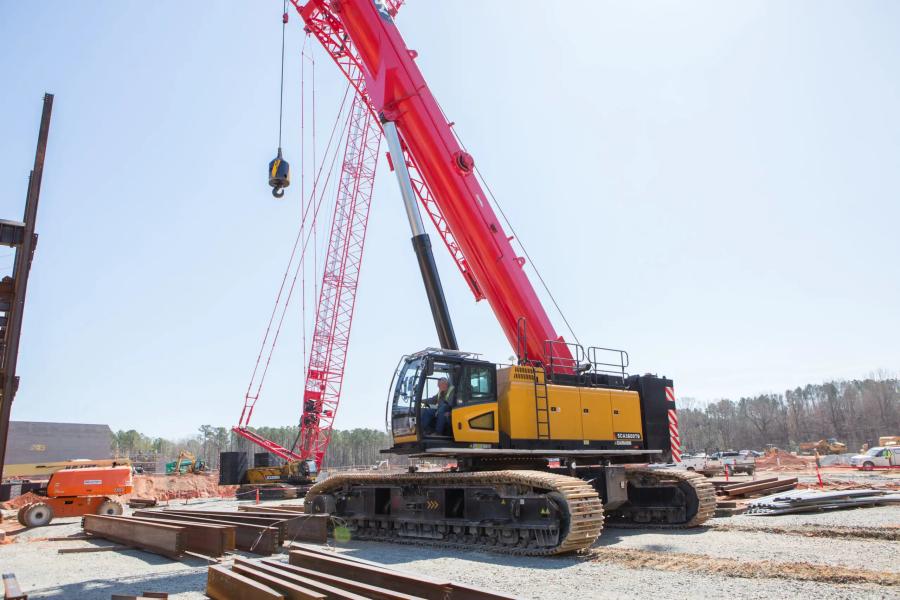
Crawler cranes typically use long lattice booms that provide high lifting capacity and excellent stability for heavy construction projects.
Truck-Mounted Cranes
Truck cranes often use telescopic box booms, allowing quick setup and flexible lifting operations on construction sites.
Factors That Affect Crane Boom Performance
Several factors influence the performance and lifting capability of a crane boom:
- Boom length
- Boom angle
- Material strength
- Load weight
- Counterweight configuration
- Wind conditions
Operators must follow the crane’s load chart to ensure that the boom is used within its safe operating limits.
Conclusion
The crane boom is the central structural element that enables cranes to lift and move heavy loads. By supporting the lifting system and adjusting its length and angle, the boom determines the crane’s working height, lifting capacity, and operational range.
Common crane boom types include:
- Box-type booms
- Truss booms
- Telescopic booms
- Knuckle booms
- Fixed booms
Each design offers specific advantages depending on the lifting application.
Understanding how crane booms work helps construction professionals select the right equipment for their projects, improving both lifting efficiency and operational safety.
FAQ
The boom of a crane is the long structural arm that extends from the crane’s main body and supports the lifting system. It holds components such as the wire rope, sheaves, and hook block, allowing the crane to lift and move heavy loads.
The most common crane boom types include:
Box-type boom
Truss (lattice) boom
Telescopic boom
Knuckle boom
Fixed boom
Each type is designed for different lifting capacities, operating environments, and crane configurations.
A crane boom works by transferring lifting forces from the load to the crane’s structure. The hoisting system pulls wire rope through pulleys mounted on the boom, lifting the load while the boom provides structural support and determines the lifting radius and height.
A telescopic boom consists of several sections that extend and retract hydraulically, allowing quick adjustments in working height and radius.
A lattice boom is made from a truss framework of steel tubes. It is lighter but can handle extremely heavy loads, making it common on large crawler cranes.
Several factors influence crane boom performance, including:
Boom length
Boom angle
Load weight
Counterweight configuration
Wind conditions
Structural material strength
Operators must always follow the crane load chart to ensure safe lifting operations.