
Crane hooks are one of the most important load-handling components in lifting equipment. They connect the lifting mechanism to the load through slings, chains, or wire ropes, allowing cranes to safely lift and move heavy materials on construction sites, ports, factories, and industrial facilities.
In most cranes, the hook is suspended from the hoisting wire rope through a hook block assembly, which often includes sheaves (pulleys), bearings, and safety devices. Although crane hooks may appear simple in design, different types are developed to meet various lifting capacities, safety requirements, and operational conditions.
Single Hook vs Double Hook
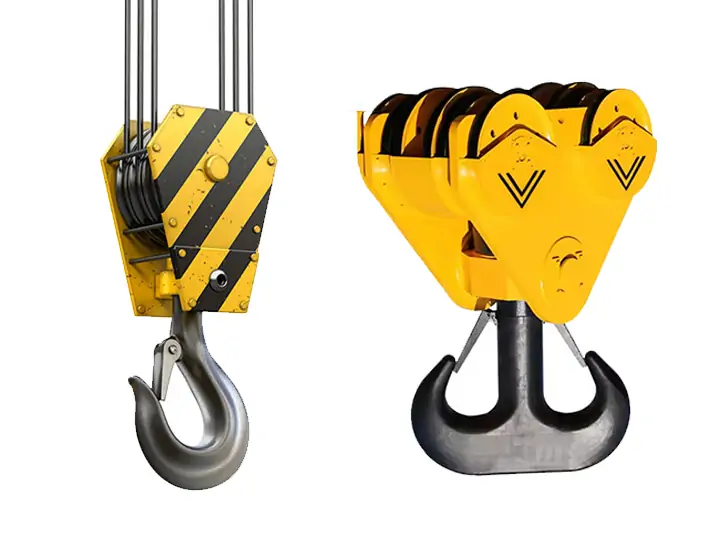
One of the most common ways to classify crane hooks is based on the number of hooks used in the lifting system.
Single Hook
A single hook is the most widely used type of crane hook in many lifting applications. It is simple in design, easy to manufacture, and convenient to operate.
Single hooks are generally suitable for light to medium lifting capacities, typically used when the lifting load is below about 75–80 tons. Because of their simplicity and lower weight, they are commonly installed on:
- Mobile cranes
- Tower cranes
- Small crawler cranes
- Workshop lifting equipment
However, single hooks have limitations in terms of load distribution and lifting stability when handling extremely heavy loads.
Double Hook
A double hook system uses two symmetrical hooks to share the lifting load. This design increases the overall lifting capacity and provides better balance when handling heavy materials.
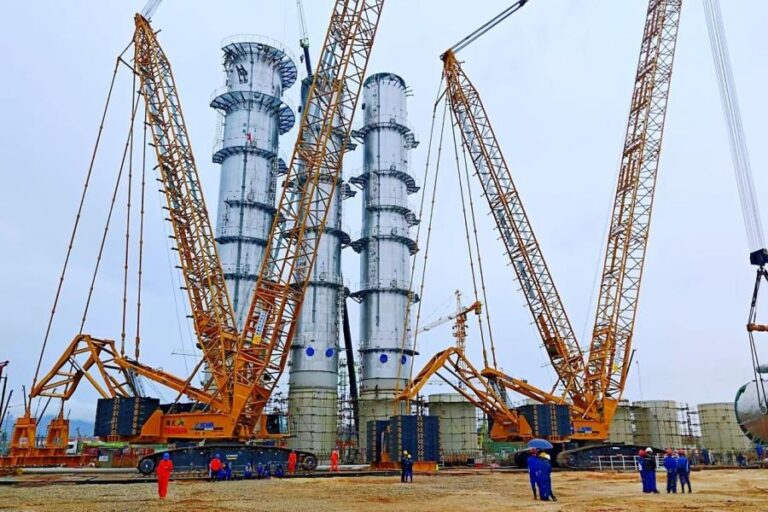
Double hooks are typically used when the lifting load exceeds 75 tons or when higher safety and load stability are required. They are commonly found in:
- Large crawler cranes
- Heavy-duty bridge cranes
- Steel mill cranes
- Industrial lifting systems
Because the load is distributed across two hooks, the structure can handle heavier loads and reduce stress concentration.
Forged Hooks vs Laminated Hooks
Another common classification of crane hooks is based on the manufacturing method.
Forged Hooks
A forged hook is made from a single piece of high-quality steel through a forging process. During forging, the steel is heated and shaped under high pressure, which improves the material’s strength and structural integrity.
Forged hooks are valued for their:
- High strength
- Good resistance to stress and fatigue
- Reliable performance under heavy loads
Common materials include high-strength low-carbon alloy steels, which provide excellent durability and toughness.
Because of their strength and reliability, forged hooks are widely used in many types of cranes, including:
- Mobile cranes
- Crawler cranes
- Tower cranes
- Industrial lifting equipment
Laminated Hooks
A laminated hook is manufactured by stacking and riveting multiple steel plates together to form the hook body. This design may appear more complex than a forged hook, but it provides certain safety advantages.
If one of the steel plates develops a crack, the remaining plates can still support the load temporarily. This feature can help prevent sudden catastrophic failure.
Laminated hooks offer:
- Higher safety redundancy
- Better crack resistance
- Suitable performance for very heavy loads
However, they are typically heavier and bulkier than forged hooks and are often used in large-capacity cranes, such as:
- Metallurgical cranes
- Steel plant lifting equipment
- Heavy-duty overhead cranes
Closed Hooks vs Semi-Closed Hooks
Crane hooks can also be categorized based on their structural enclosure and safety design.
Closed Hooks
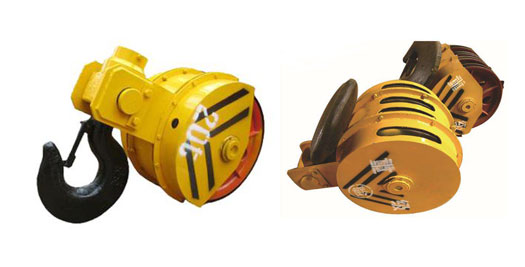
A closed hook has a more enclosed design, which helps prevent slings, chains, or lifting accessories from slipping out during lifting operations.
Although installing lifting accessories may take slightly more time, closed hooks provide:
- Higher lifting safety
- Better load retention
- Improved stability during operation
These hooks are often used in high-risk or heavy-load lifting environments where safety is a critical concern.
Semi-Closed Hooks
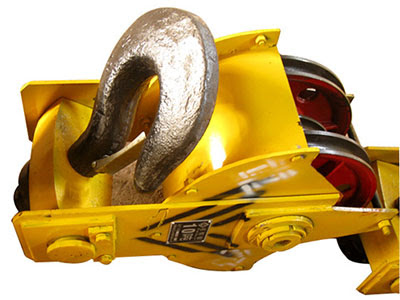
A semi-closed hook offers a balance between safety and operational convenience. Compared with standard open hooks, semi-closed hooks provide better protection against accidental load release.
At the same time, they allow operators to attach or remove slings more easily than fully enclosed hooks. Because of this convenience, semi-closed hooks are commonly used in construction lifting operations.
Electric Rotating Hooks
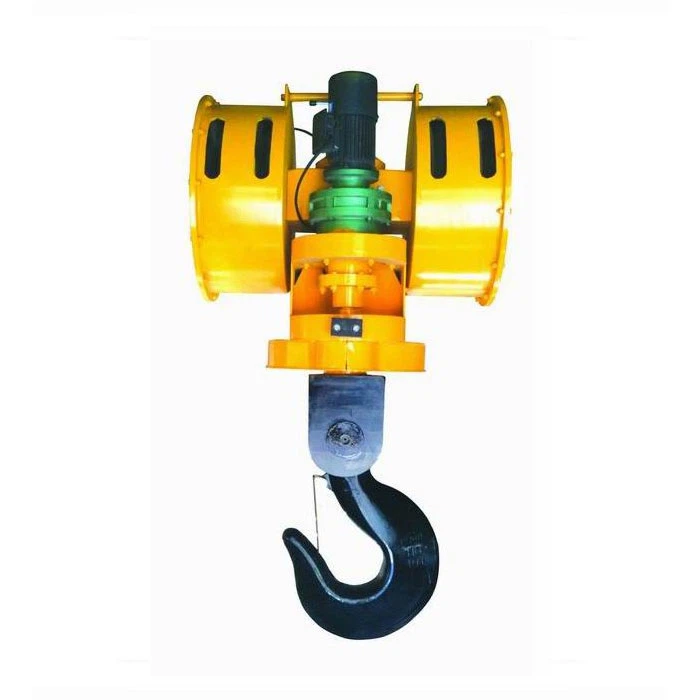
An electric rotating hook (also known as a powered swivel hook) is a specialized type of crane hook designed to rotate the load during lifting.
Unlike standard hooks that remain fixed, rotating hooks can turn under power, allowing operators to adjust the orientation of the load without repositioning the crane.
Electric rotating hooks offer several advantages:
- Improved lifting efficiency
- Better load positioning
- Greater flexibility in confined spaces
These hooks are particularly useful in industries such as:
- Container handling at ports
- Heavy equipment installation
- Modular construction projects
- Industrial assembly operations
By allowing controlled rotation, they help stabilize loads and simplify complex lifting tasks.
Leading Crane Hook Manufacturers
The crane hook industry includes several well-known manufacturers that supply high-quality lifting components for different industrial applications.
International High-End Crane Hook Manufacturers
Some global companies focus on advanced technology, high-performance lifting solutions, and specialized applications.
Konecranes
Konecranes is a globally recognized manufacturer of cranes and lifting components. The company provides high-quality crane hooks and intelligent lifting systems designed for high-frequency and heavy-duty material handling in ports, manufacturing plants, and logistics centers.
ARNIKON
ARNIKON is a professional manufacturer specializing in heavy-duty crane systems and lifting equipment, including high-capacity crane hooks designed for demanding industrial environments.
Heppenstall Technology
Heppenstall Technology is known for producing specialized crane hooks used in extreme environments, such as high-temperature applications in steel plants and metallurgical industries.
Major Chinese Crane Equipment Manufacturers
China is also home to several globally influential crane manufacturers with strong production and integration capabilities.
XCMG
XCMG is one of the largest construction machinery manufacturers in the world. Its truck cranes and loader cranes are widely used internationally, and their crane hook components have strong market recognition.
SANY
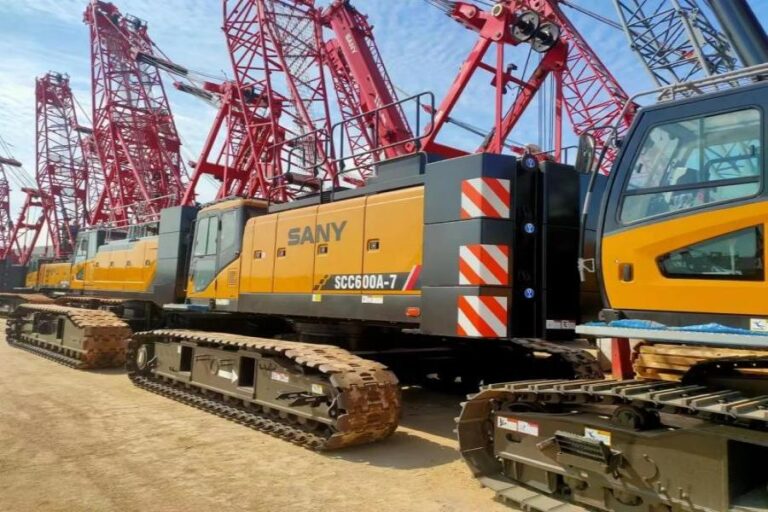
SANY is a leading heavy equipment manufacturer known for advanced lifting technologies. The company produces reliable crane hooks used in crawler cranes, truck cranes, and large lifting systems.
ZOOMLION
ZOOMLION is a well-known manufacturer of industrial and construction cranes. The company is involved in forged hook production and heavy-duty lifting equipment manufacturing.
The Role of Hook Blocks in Crane Lifting Systems
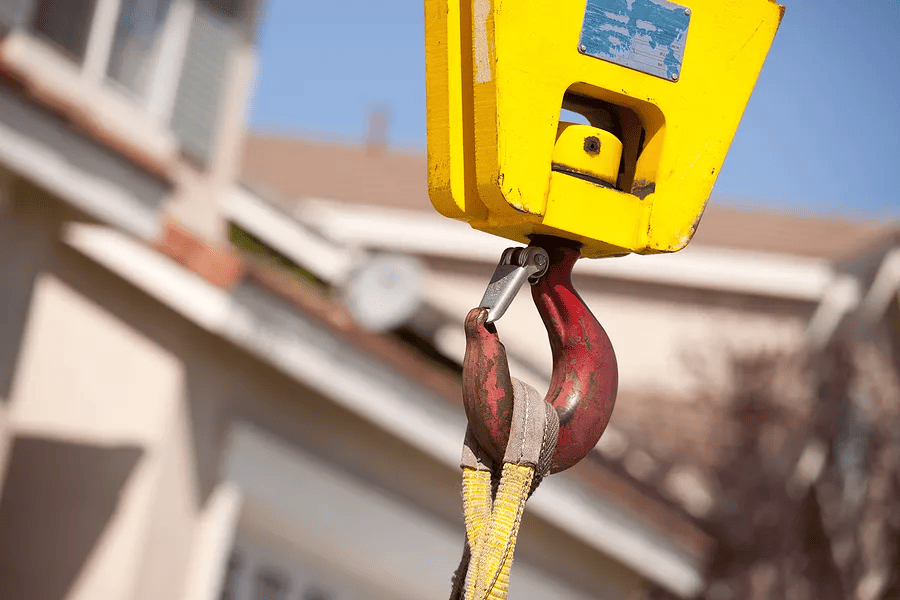
In most cranes, the hook itself is part of a larger hook block assembly. The hook block typically includes:
- The crane hook
- Sheaves (pulleys)
- Bearings
- Steel plates or frame structure
- Safety latch devices
The hook block connects to the hoisting wire rope system, allowing the crane to lift loads efficiently while distributing forces through multiple rope lines.
Crane hooks are often equipped with a safety latch to prevent slings, chains, or wire rope slings from accidentally detaching during lifting.
Safety and Maintenance Considerations
Because crane hooks carry heavy loads during lifting operations, regular inspection and proper usage are essential for safe operation.
Operators should always follow the manufacturer’s recommendations and never exceed the rated load capacity of the hook.
Common causes of crane hook failure include:
- Overloading
- Mechanical damage
- Long-term fatigue
- Corrosion
- Improper lifting practices
Routine inspection helps detect early signs of damage and prevent accidents.
When Should a Crane Hook Be Replaced?
A crane hook must be removed from service if it shows signs of structural damage or excessive wear. Typical rejection criteria may include:
- Visible cracks in the hook body
- Severe wear in the load-bearing section
- Significant deformation or twisting
- Plastic deformation in the hook neck or critical areas
- Serious corrosion or thread damage
If any of these conditions appear, the hook should be replaced immediately to ensure lifting safety.
Conclusion
Crane hooks play a critical role in lifting operations, connecting cranes to loads safely and efficiently. Depending on lifting capacity, manufacturing method, and operational requirements, different types of crane hooks are used across the construction and industrial sectors.
Common types include:
- Single hooks
- Double hooks
- Forged hooks
- Laminated hooks
- Closed hooks
- Semi-closed hooks
- Electric rotating hooks
Understanding these different hook types helps operators and engineers choose the right lifting equipment for specific projects, improving both safety and operational efficiency in crane operations.
FAQ
Crane hooks are used to connect lifting equipment to loads through slings, chains, or wire ropes, allowing cranes to safely lift and move heavy materials.
A single hook is commonly used for light to medium lifting loads, while a double hook distributes the load across two hooks, making it suitable for heavy-duty lifting operations.
Forged crane hooks are made from a single piece of high-strength steel, providing excellent durability, fatigue resistance, and reliable performance under heavy loads.
A laminated crane hook is constructed from multiple steel plates stacked together. This design improves safety because other plates can still support the load if one plate develops a crack.
A crane hook should be replaced if there are visible cracks, severe wear, deformation, or corrosion that may affect its lifting capacity and safety.