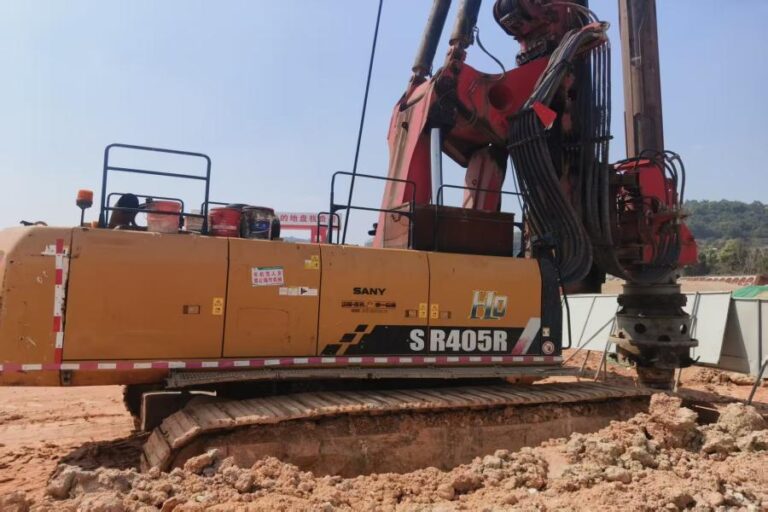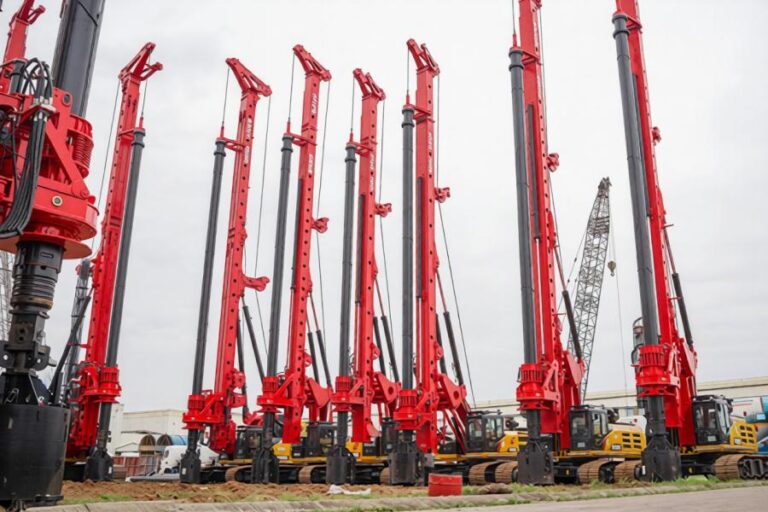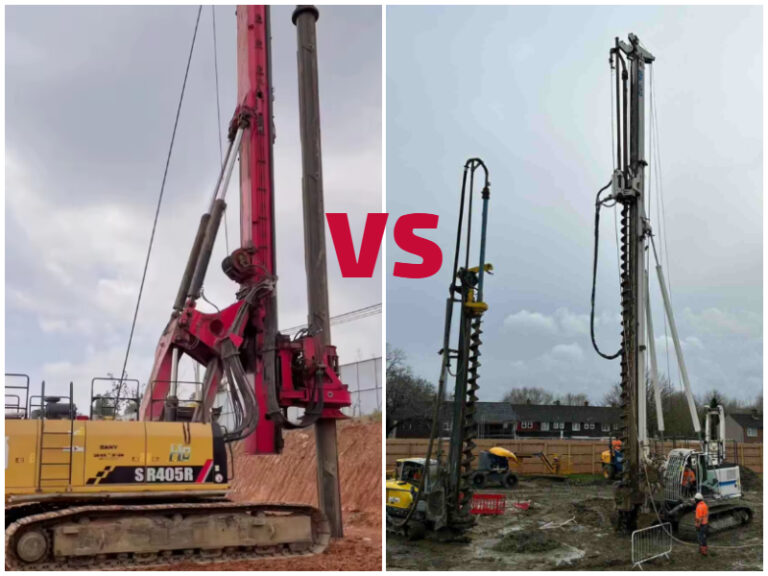

Rotary drilling rigs are designed to operate in demanding environments — soft clay, rocky terrain, gravel layers, and even waterlogged construction sites. While much attention is given to the power head, Kelly bar, and hydraulic systems, the crawler undercarriage is equally critical to performance and safety.
The track system supports the entire machine weight, absorbs shock loads, and ensures stability during drilling operations. Poor maintenance can lead to accelerated wear, unexpected downtime, and costly structural damage.
This comprehensive guide explains how to properly clean, inspect, adjust, and maintain your rotary drilling rig tracks to extend service life and reduce maintenance costs.
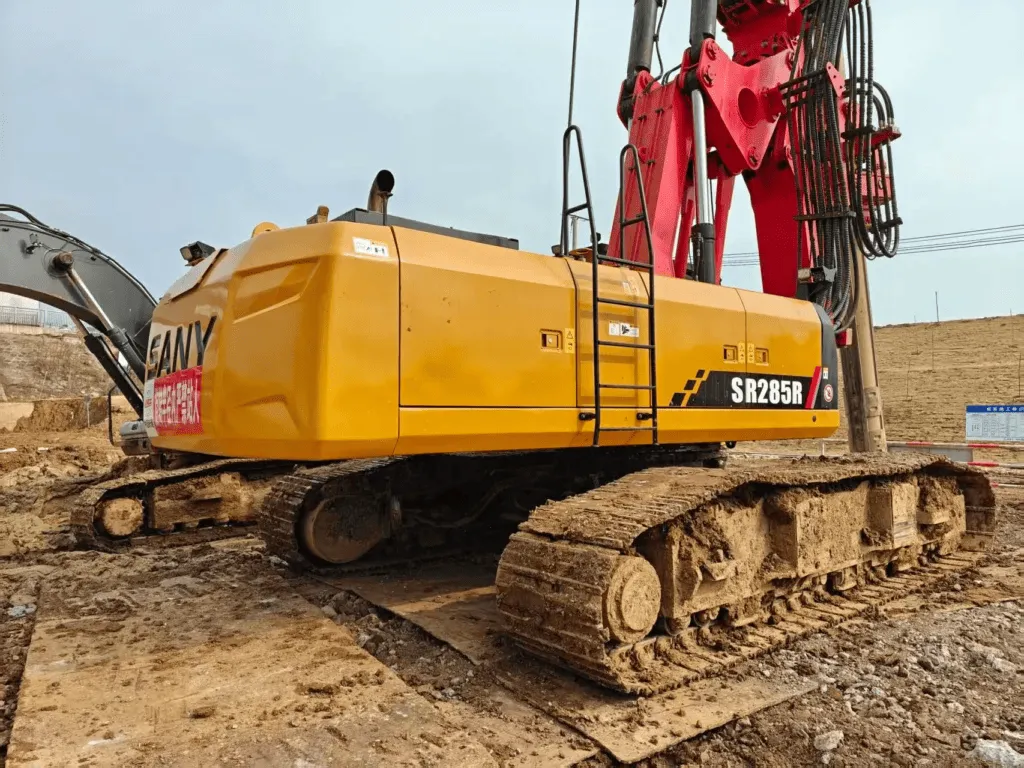
Introduction to Rotary Drilling Rig Tracks
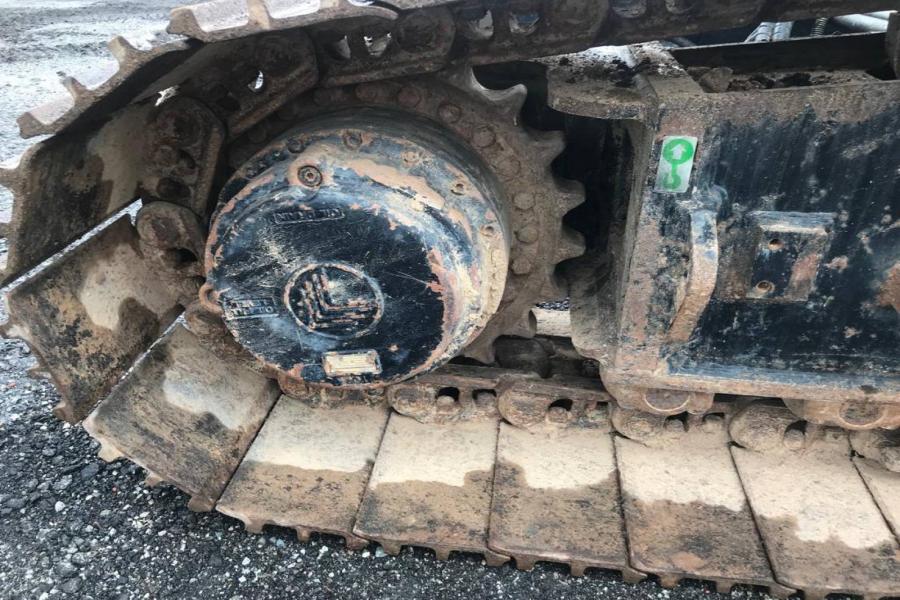
The crawler undercarriage of a rotary drilling rig typically consists of:
- Track assemblies
- Carrier rollers (top rollers)
- Track rollers (bottom rollers)
- Drive sprockets
- Idler wheels
- Track tensioning device
- Track shoes and track chain links
These components work together to distribute machine weight evenly while allowing movement across unstable terrain.
Unlike wheeled equipment, crawler rigs can operate on soft or uneven ground. However, this advantage comes at the cost of higher wear if maintenance is neglected.
Why Track Maintenance Is Critical
The undercarriage typically accounts for 30%–40% of total maintenance costs over the machine’s lifecycle. Improper track adjustment, poor cleaning habits, and lack of inspection can drastically shorten component lifespan.
Neglecting undercarriage maintenance can lead to:
- Reduced travel speed
- Loss of driving power
- Abnormal wear on pins and bushings
- Roller seizure
- Track shoe damage
- Structural frame contact and damage
- Unexpected job site downtime
Regular maintenance prevents expensive failures and ensures safe operation.
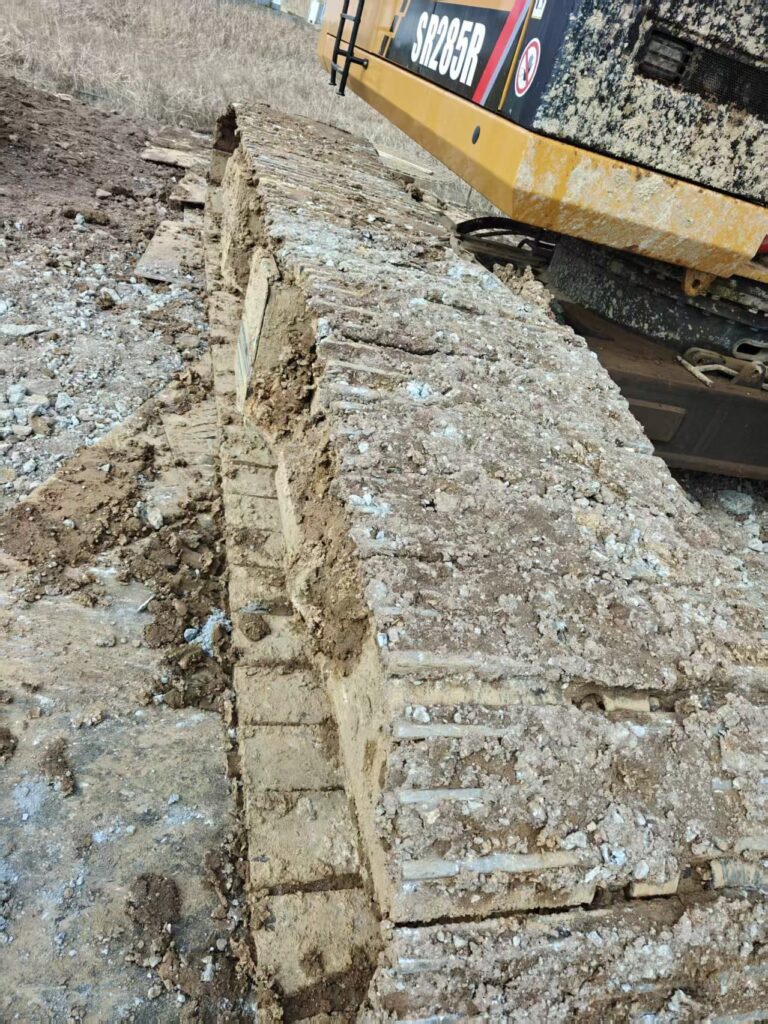
Cleaning the Track System After Every Job
Remove Mud and Debris Immediately
After each working shift, operators should clean both:
- The cab area
- The lower traveling system
Mud accumulation between track links, rollers, and sprockets can prevent proper inspection and accelerate wear.
If mud remains attached to the undercarriage:
- Track rollers may not rotate properly
- Idlers may become blocked
- Tension adjustment becomes inaccurate
- Internal components cannot be inspected
Always remove compacted soil, stones, and debris before inspection.
Proper Track Tension Adjustment Based on Ground Conditions
Track tension must be adjusted according to soil conditions. Incorrect tension is one of the most common causes of premature undercarriage wear.
Recommended Track Tension by Ground Type
| Ground Condition | Recommended Track Tension | Reason |
|---|---|---|
| Soft clay or muddy soil | Slightly loose | Prevent abnormal stress from mud adhesion |
| Gravel or pebble ground | Slightly loose | Avoid track shoe bending |
| Hard and flat surface | Slightly tight | Improve travel stability |
Risks of Overtightening
If the track is too tight:
- Travel speed decreases
- Travel power reduces
- Excessive friction increases
- Pins and bushings wear abnormally
- Operating efficiency drops
Risks of Over-Loosening
If the track is too loose:
- Sagging track hits frame
- Accelerated wear on sprockets and rollers
- Increased derailment risk
- Frame damage
- Track chain misalignment
Even reinforced undercarriages can fail if track tension is improperly adjusted.
Daily Inspection of Wear Components
The following parts are considered high-wear components:
- Carrier rollers
- Track rollers
- Drive sprockets
- Track chain links
- Track shoes
Daily inspection can dramatically extend service life.
Roller Rotation Check
If carrier rollers or track rollers cannot rotate freely:
- Rollers may wear unevenly
- Track chain links may suffer excessive wear
- Heat buildup may occur
If a roller is seized, repair immediately. Continued operation will cause secondary damage.
Track Guards and Chain Alignment
Track guards play an important role in preventing misalignment and excessive chain wear.
If a track guard becomes damaged:
- Do not attempt random welding repairs
- Replace with original manufacturer parts
- Improper welding may cause track misalignment
- Misalignment can crush roller housings
Poor alignment increases contact between track chain side surfaces and:
- Drive sprocket sides
- Idler wheel sides
This significantly increases wear.
Avoid Operating on Sloped Terrain Improperly
Repeated long-term travel on sloped surfaces, especially combined with sudden turns, will:
- Increase lateral wear of track chain links
- Cause excessive contact between chain side and sprocket
- Damage roller housings
- Accelerate track system fatigue
To reduce wear:
- Avoid sharp turns on slopes
- Travel straight whenever possible
- Reduce speed before changing direction
Proper driving habits can extend track life by 20–30%.
Bolt and Nut Inspection: A Critical Safety Step
Due to continuous vibration during drilling operations, bolts and nuts may loosen over time.
The lower undercarriage bolts are especially vulnerable.
Risks of Loose Track Shoe Bolts
If bolts loosen and operation continues:
- Gaps form between bolts and track shoes
- Bolts may break
- Track shoes may detach
- Track chain damage may occur
- Bolt holes may enlarge
- Entire track assembly may require replacement
This can lead to severe and expensive failures.
Inspection Checklist
- Check track shoe bolts
- Inspect roller mounting bolts
- Tighten loose nuts immediately
- Replace damaged bolts
A simple tightening routine can save thousands in repair costs.
Track Tensioning Device Maintenance
The tensioning device ensures proper track tightness.
Inspect:
- Rear locking bolts
- Grease cylinder area
- Mud accumulation
Mud around locking bolts may prevent them from returning to position. This can result in:
- Inability to tighten track properly
- Incorrect tension setting
- Accelerated undercarriage wear
Clean and lubricate regularly.
Common Warning Signs of Undercarriage Problems
Watch for the following abnormalities:
- Oil leakage from rollers
- Non-rotating carrier rollers
- Broken bolts
- Abnormal noise while traveling
- Track sagging
- Uneven track wear
Ignoring these issues can lead to severe accidents and major repair costs.
Cost Comparison: Preventive Maintenance vs Major Repairs
| Maintenance Type | Estimated Cost Impact | Risk Level |
|---|---|---|
| Regular cleaning | Very low | Prevents 60% of wear issues |
| Bolt tightening | Minimal | Prevents structural damage |
| Roller replacement (early) | Moderate | Prevents chain damage |
| Full track replacement | Very high | Result of neglect |
Preventive maintenance is always cheaper than corrective repair.
Best Practices for Contractors
To maximize crawler undercarriage life:
- Clean after every shift
- Adjust track tension based on soil
- Inspect rollers daily
- Avoid sudden turns on slopes
- Tighten bolts weekly
- Replace damaged components immediately
- Use genuine replacement parts
How Proper Maintenance Extends Machine Life
Well-maintained tracks provide:
- Improved drilling stability
- Better machine balance
- Lower fuel consumption
- Reduced vibration
- Increased job site safety
- Extended overall equipment lifespan
Contractors who follow a disciplined undercarriage maintenance routine typically achieve 20–40% longer track service life.
Final Thoughts
The crawler undercarriage is the foundation of your rotary drilling rig. While it may not be as technologically complex as the power head or hydraulic system, it directly affects performance, safety, and operational cost.
Ignoring mud buildup, incorrect track tension, loose bolts, or roller damage will eventually lead to serious accidents and expensive downtime.
For construction contractors, proper rotary drilling rig track maintenance is not optional — it is essential.
By implementing systematic inspection, cleaning, and adjustment procedures, you can:
- Reduce long-term operating costs
- Minimize unexpected failures
- Improve job site productivity
- Protect your equipment investment
In foundation construction, stability begins from the ground up — and that starts with your tracks.
FAQ
Track maintenance is essential because the crawler undercarriage supports the entire machine weight and ensures stability during drilling operations. Proper maintenance helps reduce wear, prevent breakdowns, and extend equipment lifespan.
Tracks should be cleaned after each working shift to remove mud, stones, and debris that can accelerate wear and prevent proper inspection of undercarriage components.
If track tension is too tight, it can increase friction, reduce travel speed, and cause abnormal wear on pins, bushings, and rollers.
Common warning signs include oil leakage from rollers, abnormal noise while traveling, uneven track wear, track sagging, and seized rollers.
Contractors can extend track life by cleaning the undercarriage regularly, adjusting track tension correctly, inspecting rollers and bolts frequently, and replacing worn components promptly.