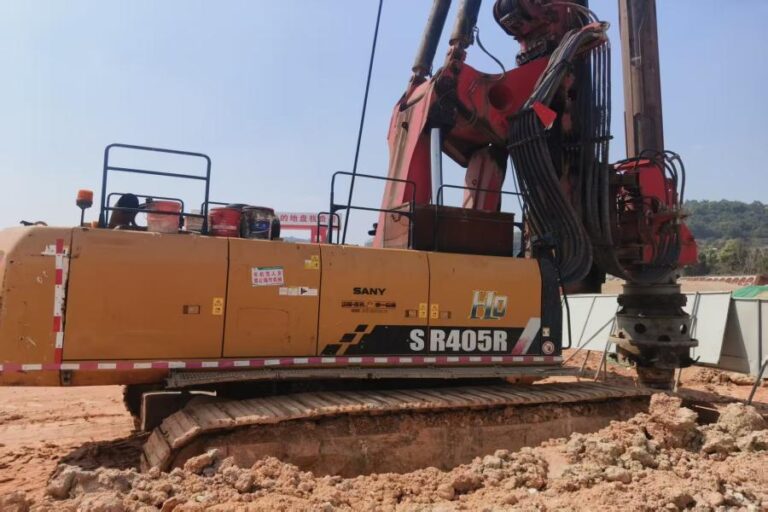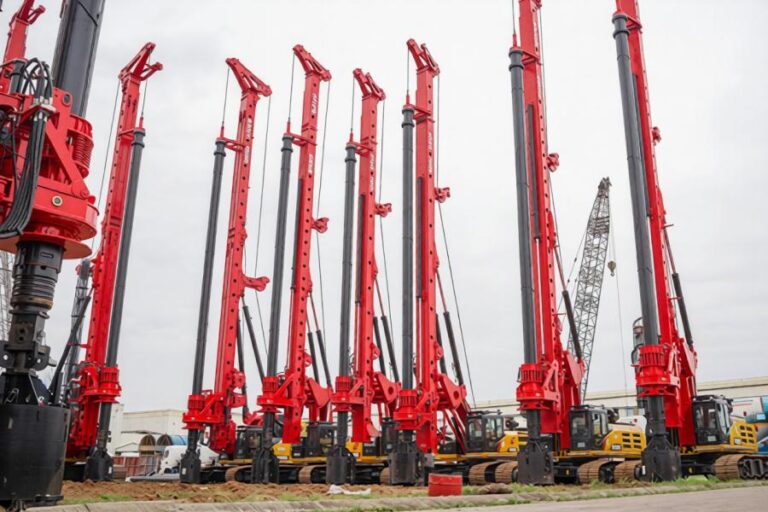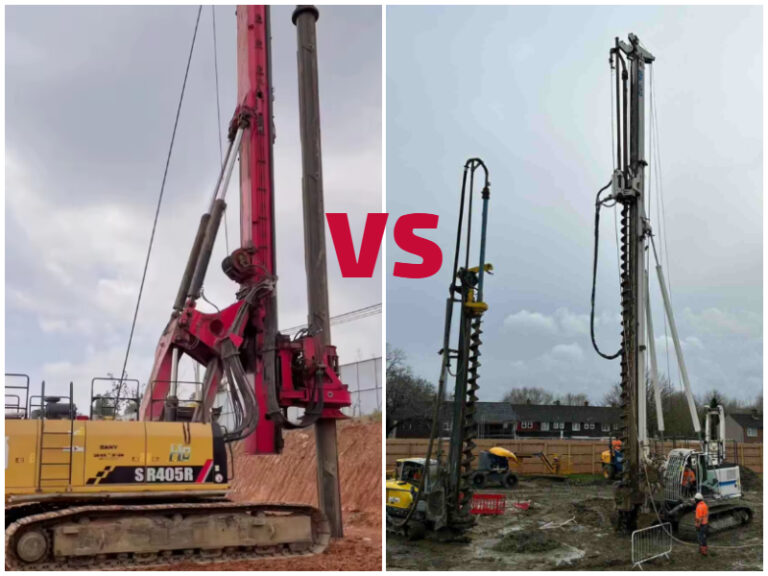
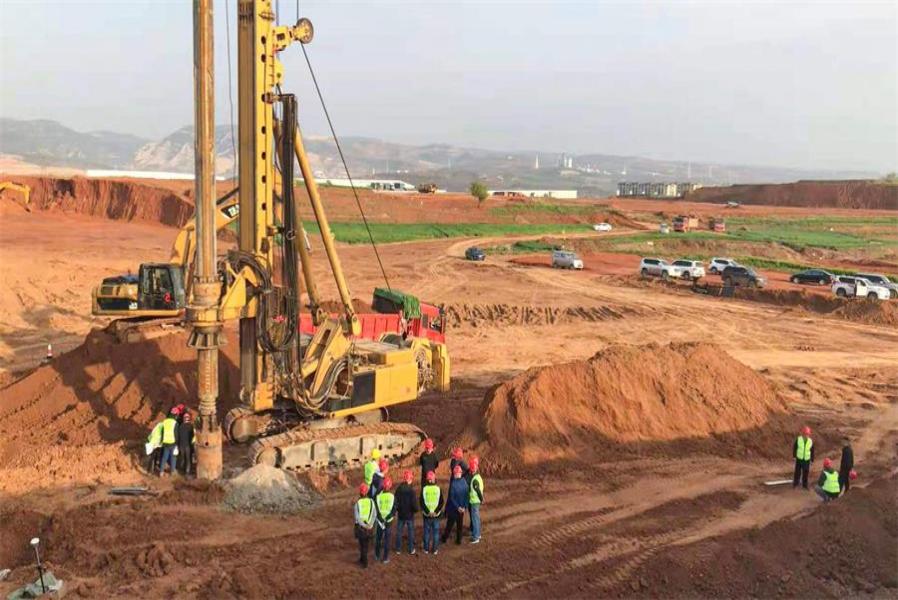
Purchasing a used rotary drilling rig can be a smart investment for foundation contractors looking to reduce upfront equipment costs while maintaining strong project productivity. However, buying second-hand heavy machinery—especially rotary drilling rigs—requires careful inspection and technical evaluation to avoid hidden risks such as excessive wear, hydraulic failure, or structural damage.
Unlike new machines, used rigs often come with unknown operating histories, varied maintenance standards, and potential performance issues.
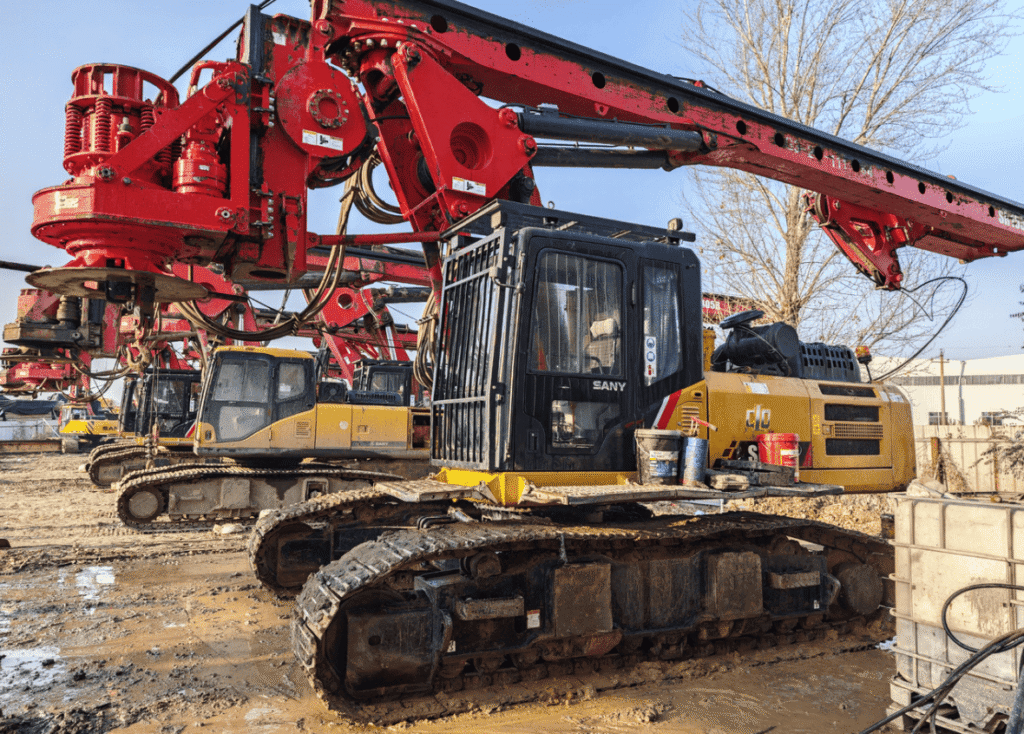
Why Buy a Used Rotary Drilling Rig?
Used rigs are popular because they can:
- Save money compared to new equipment
- Provide high value if properly inspected
- Allow faster acquisition for urgent project needs
- Reduce depreciation cost over time
However, the key is choosing a rig that matches your job requirements and is in solid, reliable condition.
| Drilling Application | Typical Requirement |
|---|---|
| Foundation piling | High torque, heavy crowd force, large diameter drill |
| Anchor drilling | Moderate torque, lighter rig |
| Caisson drilling | Heavy capacity, deep drilling |
| Water well drilling | Specific auger types, long drill strings |
| Geotechnical investigation | Smaller drill heads, mobility |
Understanding your project scope ensures you select a rig with the correct torque, crowd force, drilling depth, and mast size.
Don’t Judge by Working Hours Alone
Many buyers rely heavily on the hour meter reading to determine the condition of a used rotary drilling rig. While operating hours can provide some reference, they should never be used as the sole indicator of equipment health.
Hour meter data can be manually adjusted or replaced, particularly in machines that were not privately owned or directly managed by the seller. In rental fleets or heavily circulated equipment, the recorded working hours may not reflect the actual usage intensity.
Therefore, instead of focusing only on working hours, buyers should evaluate the rig’s overall mechanical condition, structural wear, and key system performance.
Inspect Key Structural Components for Real Wear
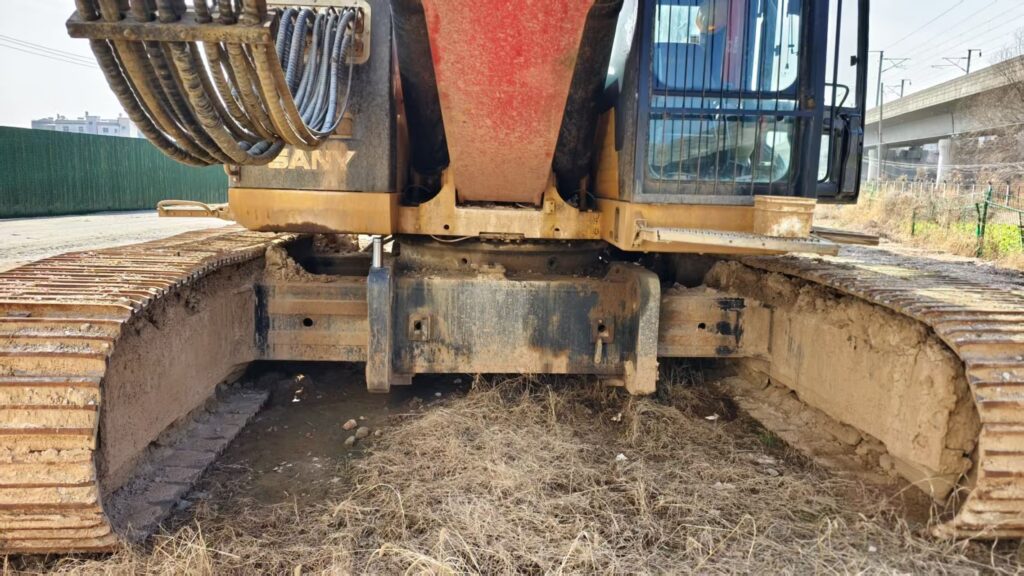
Certain structural components provide valuable insights into how intensively the rotary drilling rig has been used in the past. These include:
- Crawler tracks
- Track rollers
- Kelly bar guide frame
- Mast reinforcement plates
- Boom joints and pivot points
Machines previously used in mining or hard rock drilling conditions often show:
- Uneven track wear
- Impact marks from rock contact
- Reinforcement rib deformation
- Metal fatigue or localized cracks
By contrast, rigs used primarily in soil excavation or general foundation works usually exhibit smoother wear patterns and fewer structural damages.
Selecting a machine that was operated in softer soil conditions can significantly reduce future maintenance costs and extend the service life of major components.
Evaluate Engine Condition
The engine is the heart of any rotary drilling rig and should be inspected carefully before purchase.
Visual Inspection
Start by checking for:
- Oil leakage
- Coolant leakage
- Engine block cracks
- Abnormal vibration
- Insufficient engine oil or antifreeze
Ensure that oil filters and fuel filters are genuine manufacturer parts whenever possible. A complete maintenance history is a positive sign that the machine has been properly serviced.
Engine Performance Test
After starting the engine, observe:
- Idle stability
- Exhaust smoke color
- Crankcase blow-by
Different exhaust smoke colors may indicate specific issues:
| Smoke Color | Possible Cause |
|---|---|
| Blue smoke | Worn piston rings or cylinder walls |
| White smoke | Damaged cylinder gasket or coolant entry |
| Black smoke | Fuel injector malfunction |
A well-maintained rotary drilling rig engine can typically operate up to 10,000 working hours under harsh conditions before requiring a major overhaul.
If an engine overhaul was performed within 5,000 hours, this may indicate:
- Severe past usage
- Inaccurate hour meter readings
- Improper maintenance practices
However, minor repairs such as fuel pump servicing or valve cover replacement are relatively common, especially in regions with lower fuel quality.
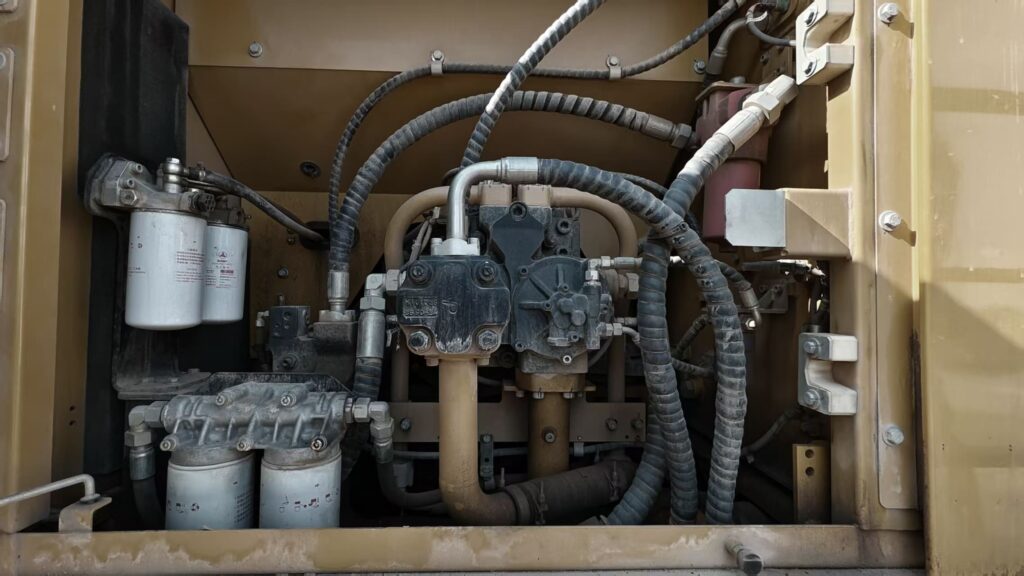
Hydraulic System Inspection
The hydraulic system directly affects drilling torque, crowd force, and overall operational efficiency.
Buyers should thoroughly inspect:
- Hydraulic pumps
- Cylinders
- Control valves
- Hydraulic hoses
- Sealing elements
Check for oil leakage throughout the entire system.
If multiple leakage points are found across the machine, it may indicate that the hydraulic oil previously operated under high temperatures—potentially damaging seals and internal components.
Minor seepage is relatively common in used rigs and may be acceptable, but serious leakage should be considered a warning sign of future repair costs.
Examine the Cab and Structural Integrity
Fresh paint on a used rotary drilling rig may look appealing but can sometimes conceal previous accidents, structural damage, or meter tampering.
Pay special attention to:
- Operator cabin repainting
- Welding marks on the mast
- Cracks in the boom or kelly guide frame
- Distortion in the main arm
To check for deformation:
Retract the Kelly bar or mast fully and visually compare alignment between the main boom and substructure.
Additionally, inspect:
- Counterweight condition
- Base frame deformation
- Turntable (slewing ring) clearance
Excessive rotational play in the turntable may indicate bearing wear. Replacing a slewing ring can cost up to USD 15,000 or more, significantly affecting machine stability and operating safety.
Performance Testing
Before finalizing your purchase decision, conduct a functional test of the machine.
Hydraulic Cylinder Test
Check all hydraulic cylinders for:
- Oil leakage
- Rod surface scratches
Damaged cylinder rods can be expensive to repair or replace.
Drilling Pressure Test
Evaluate:
- Crowd force
- Pull-down pressure
- Rotary torque output
- Slewing overflow pressure
Typical reference values:
- Working system pressure: approx. 34 MPa (340 bar)
- Slewing overflow pressure: approx. 28 MPa (280 bar)
If measured values are close to the standard levels, the working device is likely operating normally.
No-Load Operation Test
Run the machine without load and observe:
- Response speed
- Rotary head movement
- Mast lifting and lowering
- Travel speed
Delayed or sluggish movement may indicate internal hydraulic inefficiencies that could impact future drilling productivity.
If unsure, it is strongly recommended to involve an experienced operator or technician during the inspection process.
Check Equipment Source
Look for any rental identification marks on the machine.
Equipment from professional rental fleets often comes with:
- Transparent service records
- Scheduled maintenance history
- Reliable usage data
This type of equipment is generally more trustworthy than privately modified machines with unknown operational backgrounds.
Ensuring Reliable Performance in Future Foundation Projects
Choosing the right used rotary drilling rig requires more than just reviewing specifications or working hours. A comprehensive inspection of structural components, engine performance, hydraulic systems, and operational functionality is essential for making an informed investment decision.
By carefully evaluating the real wear condition and performance capabilities of a second-hand drilling rig, contractors can significantly reduce operational risks, minimize maintenance costs, and maximize long-term project profitability.
Investing time in proper equipment inspection today can save thousands in repair expenses tomorrow—ensuring your used rotary drilling rig delivers reliable performance on future foundation projects.
FAQ
Used rotary drilling rigs reduce upfront costs, allow faster acquisition, and can provide strong performance if carefully inspected for engine, hydraulic, and structural integrity before purchase.
No. Hour meter readings can be inaccurate or tampered with. Inspect the rig’s structural condition, engine health, and hydraulic system for a more reliable assessment of performance and remaining lifespan.
Inspect crawler tracks, mast, Kelly bar guides, boom joints, and reinforcement plates. Look for wear, deformation, cracks, or uneven patterns to evaluate past usage and potential future maintenance costs.
Check for oil or coolant leaks, abnormal vibrations, exhaust smoke color, cylinder performance, and hydraulic pump pressure. Functional testing ensures torque, crowd force, and lifting efficiency are within standard specifications.
Check maintenance history, rental fleet records, and perform operational tests. Prefer equipment with documented service, minimal structural damage, and consistent hydraulic and engine performance to reduce long-term operational risks.