
Buying a used rotary drilling rig can reduce the initial investment required for a foundation project. However, the purchase price is only one part of the total cost of ownership. Maintenance, replacement parts, labor, consumables and unexpected downtime all affect the cost of keeping the machine productive.
For piling contractors, understanding these expenses before purchasing a used rig helps establish a realistic operating budget and reduces the risk of unexpected repair bills. The actual cost depends on the machine’s brand, model, operating hours, maintenance history, working conditions and availability of spare parts.
This guide explains the main maintenance expenses buyers should consider when evaluating a used rotary drilling rig.
Routine Maintenance and Service Costs
Routine maintenance is the most predictable part of a drilling rig’s maintenance budget. It includes scheduled servicing, fluid replacement, filter changes, lubrication and regular adjustments.
Typical maintenance items include:
- Engine oil and oil filter replacement
- Fuel filter and air filter servicing
- Hydraulic oil and hydraulic filter maintenance
- Coolant inspection and replacement
- Gearbox oil checks and scheduled changes
- Lubrication of moving parts and connections
The required service intervals vary by machine model and operating conditions. Buyers should consult the manufacturer’s operation and maintenance manual rather than applying one universal maintenance schedule. Dusty environments, intensive drilling and extended working hours may also require more frequent servicing.
When purchasing a used rotary drilling rig, request the available service records and identify which maintenance tasks are due soon. A machine that requires immediate fluid changes, filter replacement and overdue servicing may need a larger initial maintenance budget than its purchase price suggests.
Hydraulic System Maintenance
The hydraulic system powers important functions such as rotary drilling, lifting, crowd movement, slewing and crawler travel. Its condition has a direct influence on operating performance and maintenance expenditure.
Common maintenance expenses include hydraulic filters, hoses, seals, fittings and hydraulic fluid. More extensive repairs may involve pumps, motors, cylinders or control valves.
Several factors can increase hydraulic maintenance costs:
- Contaminated hydraulic oil or neglected filter replacement
- Oil leakage from hoses, seals and connections
- Excessive operating temperatures
- Worn hydraulic pumps or motors
- Repeated operation under demanding working conditions
Routine fluid and filter maintenance is generally easier to budget for than a major hydraulic repair. Before purchasing a used rig, buyers should review its hydraulic service history and ask whether any significant components have been repaired or replaced.
If the machine shows abnormal noise, overheating or inconsistent hydraulic response, arrange a technical assessment before estimating future repair costs. These symptoms can have different causes, so a confirmed diagnosis is more useful than assuming that a particular component needs replacement.
Engine and Powertrain Expenses
The engine is another major consideration when estimating the maintenance cost of a used rotary drilling rig. Routine expenses include oil changes, fuel filters, air filters, coolant servicing and inspections of belts, hoses and other engine components.
The cost increases when maintenance has been neglected or when the engine requires more extensive work.
Potential expenses include:
- Fuel system repairs
- Cooling system repairs
- Turbocharger servicing, where fitted
- Replacement of worn engine components
- Major engine overhaul when required
Engine condition should be evaluated alongside operating hours and maintenance records. A machine with relatively low recorded hours may still require significant work if it has been poorly maintained, while a higher-hour machine with consistent servicing may offer a more predictable maintenance profile.
Buyers should also consider the availability and cost of engine parts in the country where the rig will operate. Parts availability can affect both repair expenditure and the time required to return the machine to service.
Undercarriage, Winch and Rotary Drive Costs
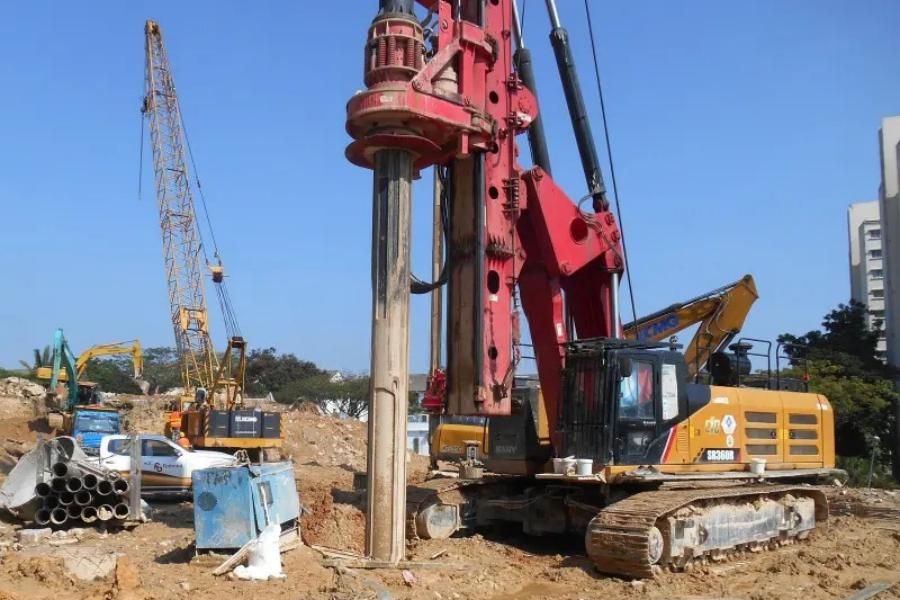
Crawler-mounted drilling rigs operate under substantial loads and often work on abrasive or uneven ground. Over time, the undercarriage, lifting system and rotary drive can require maintenance or component replacement.
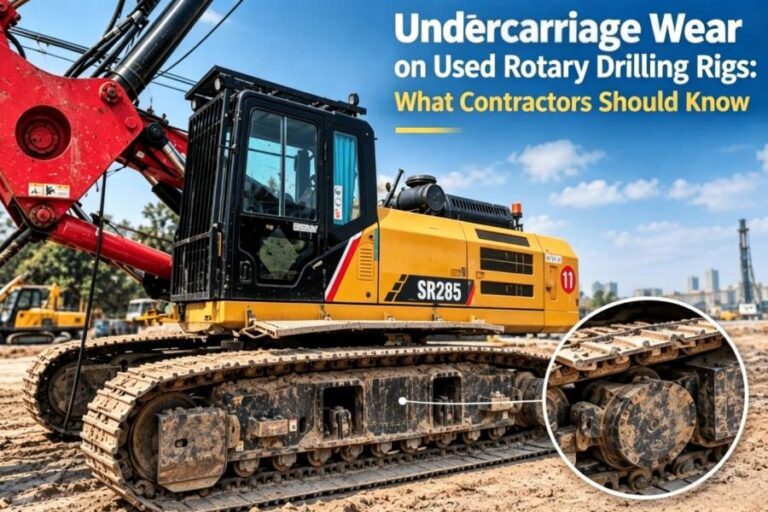
Undercarriage: Track shoes, track links, rollers, sprockets and other crawler components wear with use. The extent of wear depends on ground conditions, travel distance, operating practices and maintenance.
Main winch and wire rope: Wire ropes, sheaves, brakes and related components require regular attention. Their condition and replacement requirements depend on usage, wear and the manufacturer’s service guidance.
Rotary drive: The rotary drive transfers torque to the drilling tools. Gearbox lubrication, seals, bearings and other components may require servicing or repair depending on the machine’s condition.
These systems can involve substantial expenditure when several worn components need attention at the same time. For budgeting purposes, distinguish between routine servicing, individual component replacement and major repairs rather than treating all maintenance as one fixed annual amount.
Drilling Tools and Wear Parts
Maintenance planning should also account for drilling tools and consumables. Depending on the project, a rotary drilling rig may use drilling buckets, rock augers, core barrels, Kelly bars and different types of cutting teeth.
The cost of maintaining these items varies considerably with ground conditions and drilling methods.
For example, abrasive soil and rock drilling can increase cutting-tooth consumption, while demanding applications may accelerate wear on drilling tools and their connections. Tool selection also affects productivity: an unsuitable tool can increase drilling time and place additional demands on the machine.
Buyers should estimate expected consumption according to their planned projects instead of using a single allowance for every application.
When comparing used rigs, confirm which drilling tools and accessories are included in the quoted price. A lower-priced machine may require additional spending if essential tooling is missing or unsuitable for the intended work.
Unexpected Repairs and Downtime
Even a well-maintained used rotary drilling rig can experience unexpected failures. The financial impact includes not only repair costs but also lost working time, labor commitments and possible delays to the piling schedule.
Common sources of unplanned expenditure include hydraulic leaks, electrical faults, damaged hoses, worn mechanical components and failures identified during intensive operation.
A practical maintenance budget should separate three categories:
| Budget category | Typical expenses |
|---|---|
| Planned maintenance | Scheduled servicing, fluids, filters and lubrication |
| Wear-related replacement | Hoses, seals, wire ropes, drilling teeth and worn components |
| Unplanned repairs | Diagnostic work, emergency parts, major repairs and downtime |
The reserve for unexpected repairs should reflect the individual machine’s condition, service history, working intensity and local repair costs. There is no single percentage that is suitable for every used rotary drilling rig.
For machines with incomplete service records or unresolved technical issues, obtain a professional assessment and written repair estimates before finalizing the purchase.
How to Build a Maintenance Budget Before Buying
A useful budget starts with the machine itself rather than a general industry average.
Step 1: Review the maintenance history. Obtain available service records, operating-hour information and details of previous major repairs.
Step 2: List the immediate maintenance requirements. Identify overdue servicing, worn components and repairs that should be completed before the machine enters service.
Step 3: Estimate routine operating expenses. Calculate expected servicing, filters, fluids, labor and drilling-tool consumption based on the planned workload.
Step 4: Check local parts and labor costs. Confirm the availability of important components and obtain quotations for repairs that may be required.
Step 5: Allow for downtime and unexpected repairs. Set aside a contingency based on the machine’s condition and the consequences of a breakdown during the project.
Step 6: Compare the total cost of ownership. Evaluate the purchase price together with immediate repairs, expected maintenance, tooling, transport and operating requirements.
This approach makes it easier to compare two machines with different prices and service histories. The lowest purchase price does not necessarily represent the lowest overall cost.
Plan Maintenance Costs Before Making a Purchase
A used rotary drilling rig should be evaluated on its condition, expected maintenance requirements and suitability for the intended foundation project—not only its purchase price.
For piling contractors, a clear maintenance budget helps protect project margins, reduce avoidable downtime and support better equipment purchasing decisions.
Maxtop Machinery supplies used construction equipment for foundation and infrastructure projects. Contact the team to discuss available rotary drilling rigs, machine condition, specifications and maintenance information before selecting equipment for your next project.
FAQ
There is no universal maintenance cost. Expenses depend on the model, operating hours, machine condition, working environment, labor rates and parts availability. A machine-specific budget based on service records and inspection findings is more reliable than a general estimate.
Request available engine and hydraulic service records, filter and fluid replacement history, major repair records, component replacement details and current maintenance recommendations. Missing records should be treated as an information gap when assessing the machine’s condition.
Repair costs vary by component and machine configuration. Routine servicing is generally more predictable than major hydraulic, engine or rotary-drive repairs. Buyers should pay particular attention to unresolved defects and components approaching the end of their service life.
Follow the manufacturer’s maintenance schedule, use suitable fluids and replacement parts, monitor abnormal operating conditions, maintain service records and address developing problems before they cause more extensive damage.