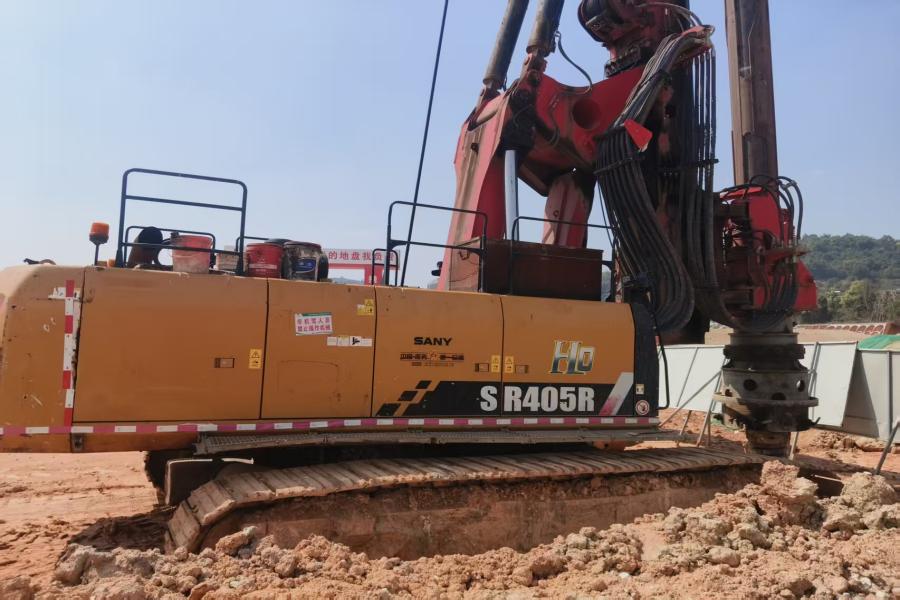
In the global market, the circulation of used construction machinery—especially rotary drilling rigs—still lacks unified standards in evaluation, pricing, and after-sales service. These gaps can create potential risks for buyers, particularly in overseas transactions. Therefore, understanding common problems and knowing how to address them is essential for ensuring reliable performance and long-term value.
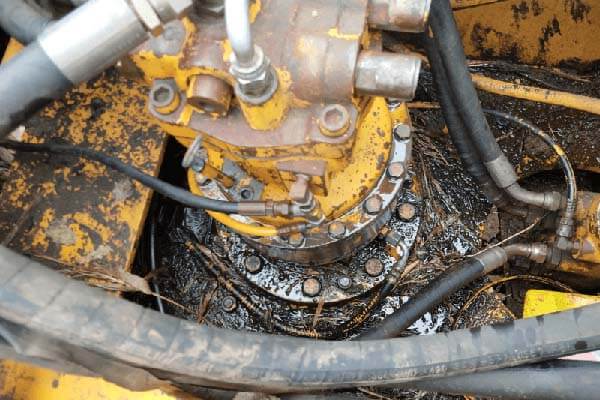
Oil Leakage in Hydraulic or Engine Systems
Oil leakage is one of the most frequently encountered problems in used rotary drilling rigs. It is usually caused by worn or damaged seals, aging hoses, or loose connections.
How to Fix:
- Inspect all seals, gaskets, and hydraulic hoses regularly
- Replace worn or cracked sealing components promptly
- Tighten loose fittings and connections
- Perform routine lubrication and maintenance
Preventive maintenance is key to reducing leakage and avoiding larger system failures.
Unstable Rotation Speed
An unstable rotation speed can significantly affect drilling efficiency and accuracy. This issue is often related to engine or hydraulic system performance.
Possible Causes:
- Insufficient fuel supply
- Clogged fuel injectors
- Malfunctioning fuel pump
- Poor maintenance of hydraulic components
Solutions:
- Check and clean the fuel system (injectors, filters, pumps)
- Ensure consistent fuel quality
- Inspect hydraulic pressure and flow stability
- Conduct regular engine servicing
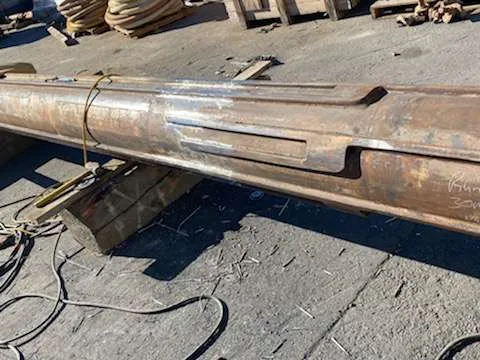
Kelly Bar Damage or Breakage
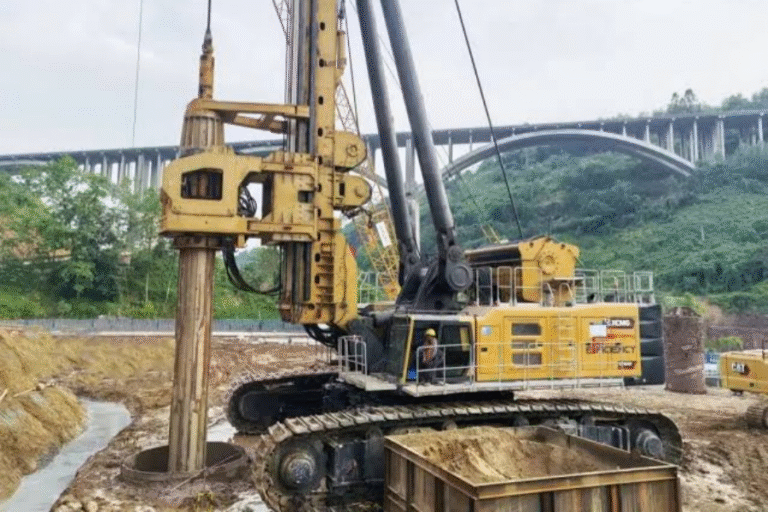
The kelly bar is a critical component responsible for torque transmission. In used equipment, it may suffer from wear, corrosion, or structural fatigue.
How to Prevent and Fix:
- Inspect the kelly bar regularly for cracks, deformation, or rust
- Repair or replace worn sections immediately
- Use appropriate drilling tools and avoid overloading
- Select the correct kelly bar type based on soil conditions
Proper operation and matching tools can greatly extend the service life of the kelly bar.
Impact of Environmental and Geological Conditions
For example, in some high-temperature regions of the Middle East, external factors such as temperature, humidity, and soil composition can significantly affect machine performance.
Common Challenges:
- High temperatures affecting hydraulic oil performance
- Low temperatures reducing system responsiveness
- Abrasive or hard formations (e.g., sandstone, red sandstone) causing excessive wear
Recommended Actions:
- Use suitable hydraulic oil for different climates
- Adjust drilling parameters based on soil conditions
- Perform more frequent inspections in harsh environments
Weak After-Sales Support and Spare Parts Availability
One of the biggest concerns when purchasing used rotary drilling rigs is the lack of a complete after-sales support system.
How to Mitigate:
- Choose suppliers with technical support capabilities
- Ensure availability of spare parts before purchase
- Establish a maintenance plan with professional technicians
- Certification from an authoritative brand.
Final Insights on Maintaining Used Rotary Drilling Rigs
Used rotary drilling rigs can offer excellent value, but they also come with certain risks. By identifying common issues—such as oil leakage, unstable rotation, kelly bar wear, and environmental impacts—and applying proper maintenance strategies, operators can significantly improve equipment reliability and efficiency.
Regular inspection, timely repairs, and professional servicing are essential to extending the lifespan of the machine. If a problem cannot be resolved on-site, it is always advisable to consult experienced technicians rather than continuing operation, which could lead to more serious damage and higher costs.
FAQ
Common issues include oil leakage, unstable rotation speed, kelly bar wear, and hydraulic system failures.
Regularly inspect seals, hoses, and fittings, and replace worn components to prevent leakage.
This is usually caused by fuel system issues, clogged injectors, or hydraulic pressure instability.
The kelly bar should be checked regularly for cracks, deformation, or excessive wear during routine maintenance.
Buyers should inspect the engine, hydraulic system, structural components, and spare parts availability.